Introduction:
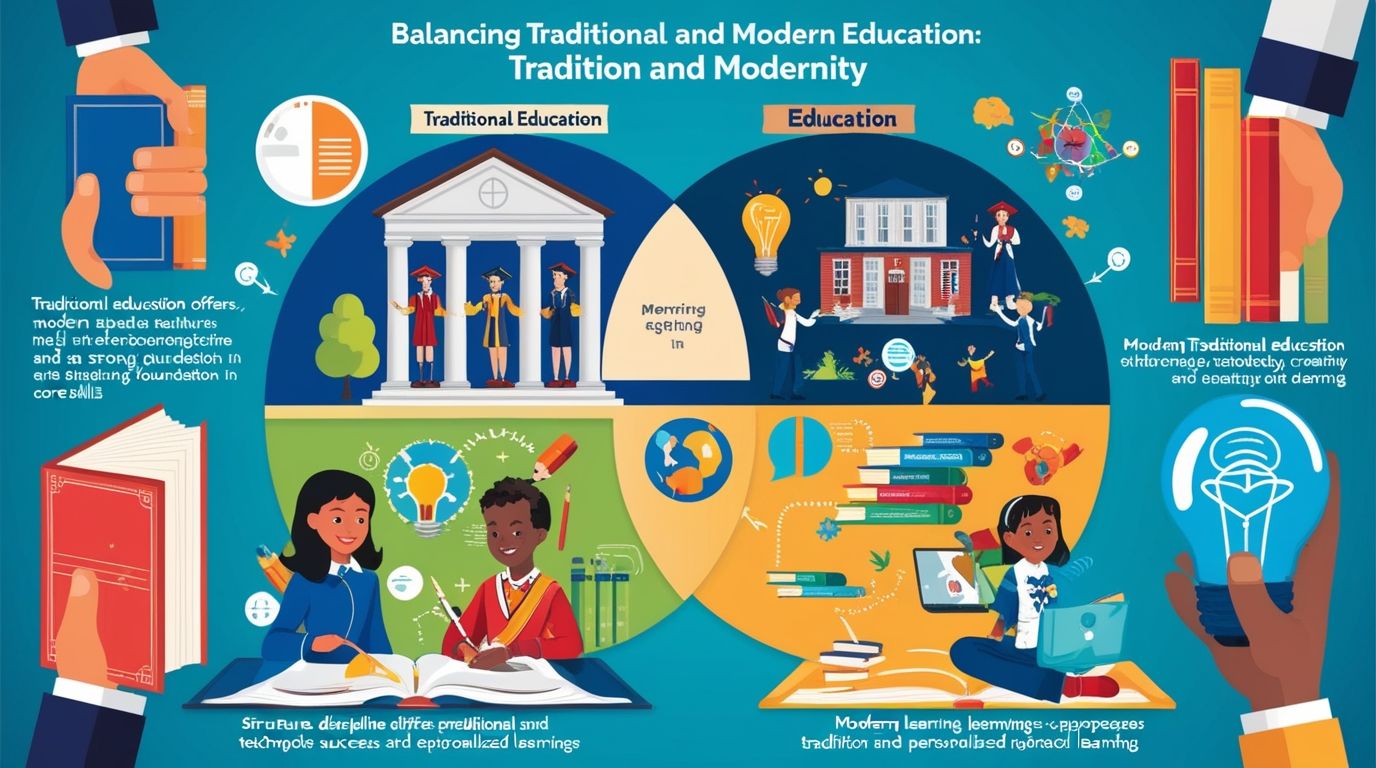
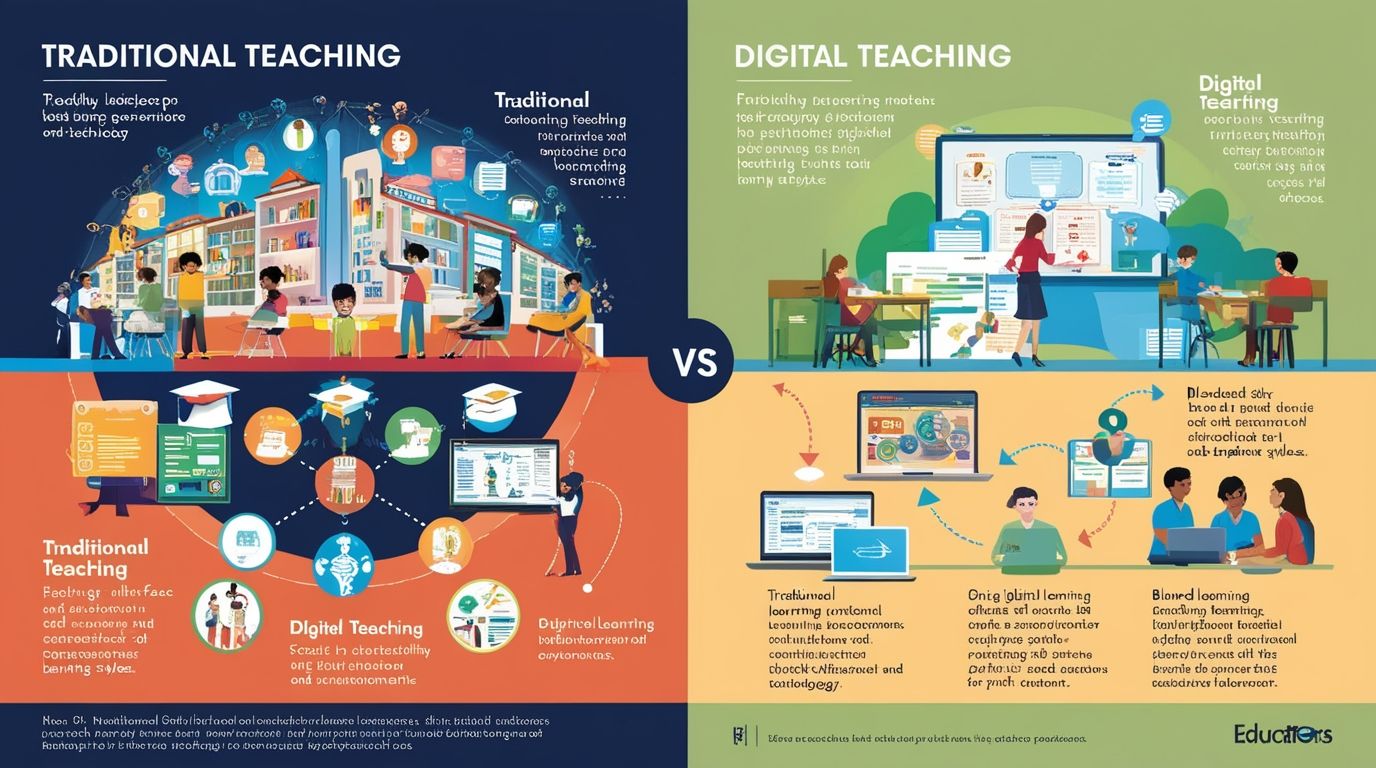
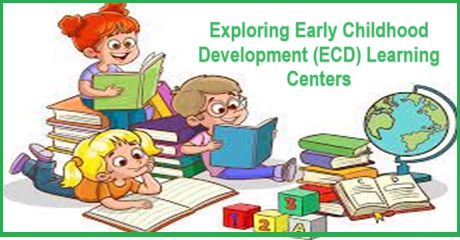
ECD vs Traditional Education System, Early Childhood Development (ECD) and the Traditional Education System represent two distinct paradigms in the philosophy and practice of education. While the traditional model has long dominated formal schooling with its structured, teacher-centered approach, ECD emphasizes holistic, child-centered learning during the formative early years. The contrast between these systems is not merely methodological but deeply rooted in differing assumptions about how children learn, develop, and thrive.
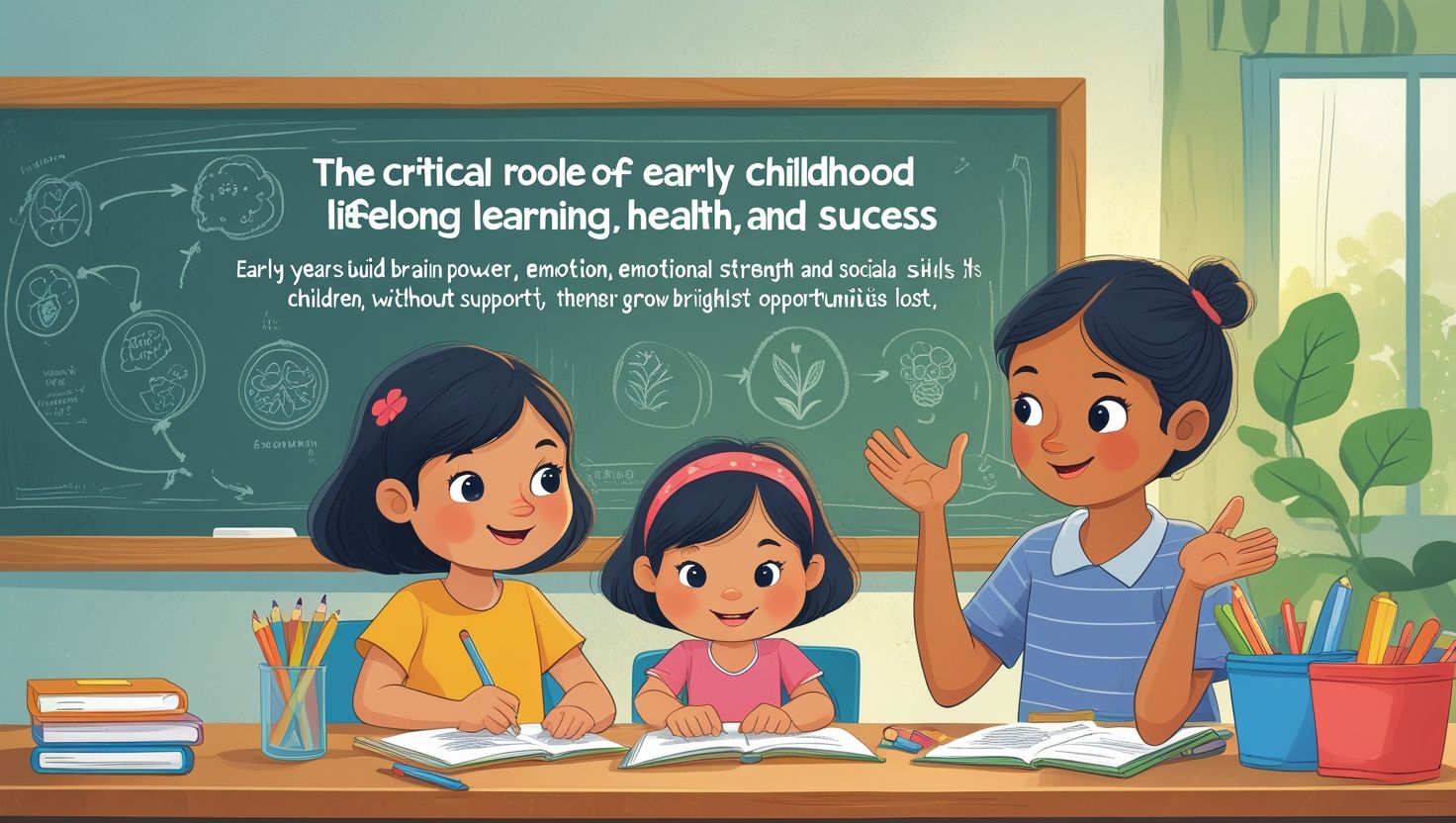
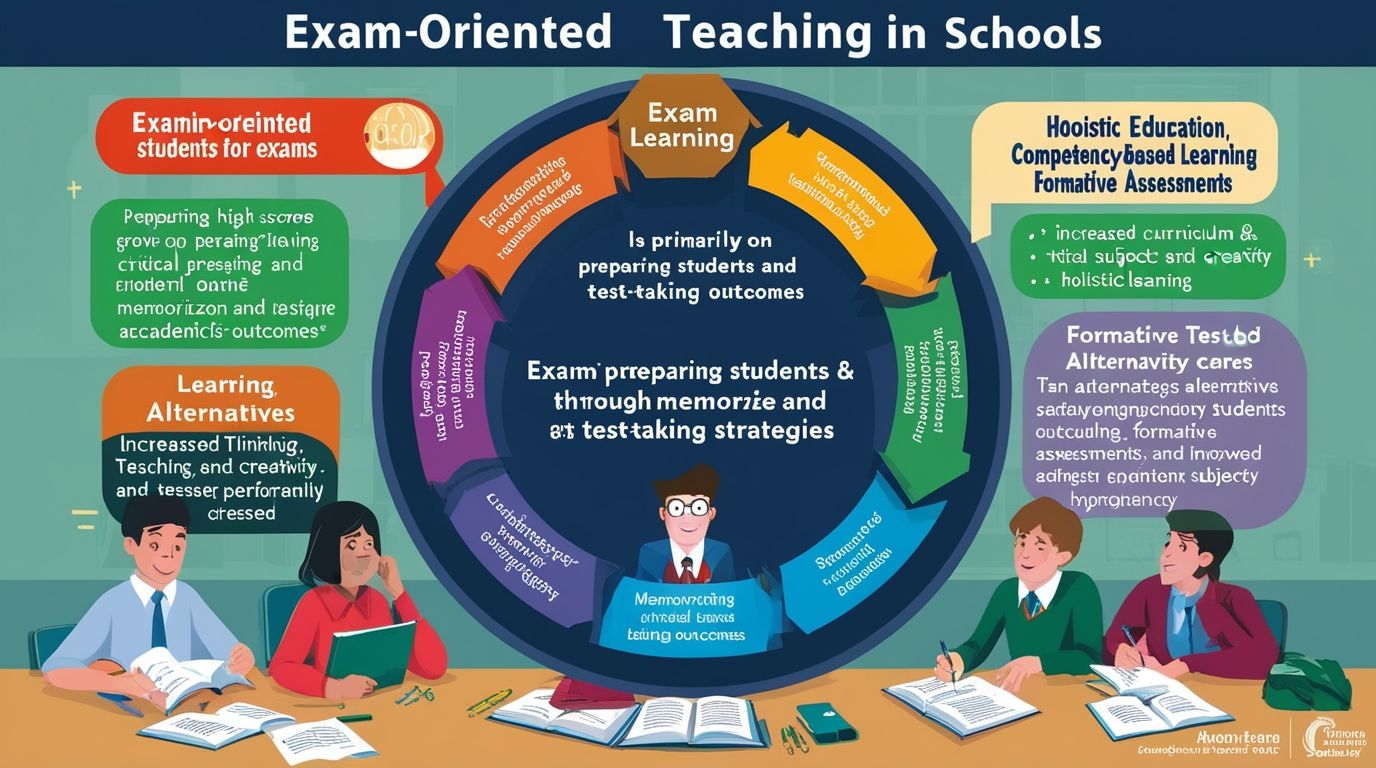
In contemporary discourse, educators and policymakers increasingly recognize that the early years—from birth to age eight—are critical for cognitive, social, emotional, and physical development. Consequently, ECD has gained prominence as a foundational approach that prioritizes play-based learning, exploration, and individualized instruction. On the other hand, traditional education systems often prioritize standardized curricula, rote memorization, and examination-driven outcomes. Understanding the differences, strengths, and limitations of both systems is essential for designing educational frameworks that are equitable, effective, and responsive to the needs of diverse learners in a rapidly changing world.
Conceptual Foundations of ECD
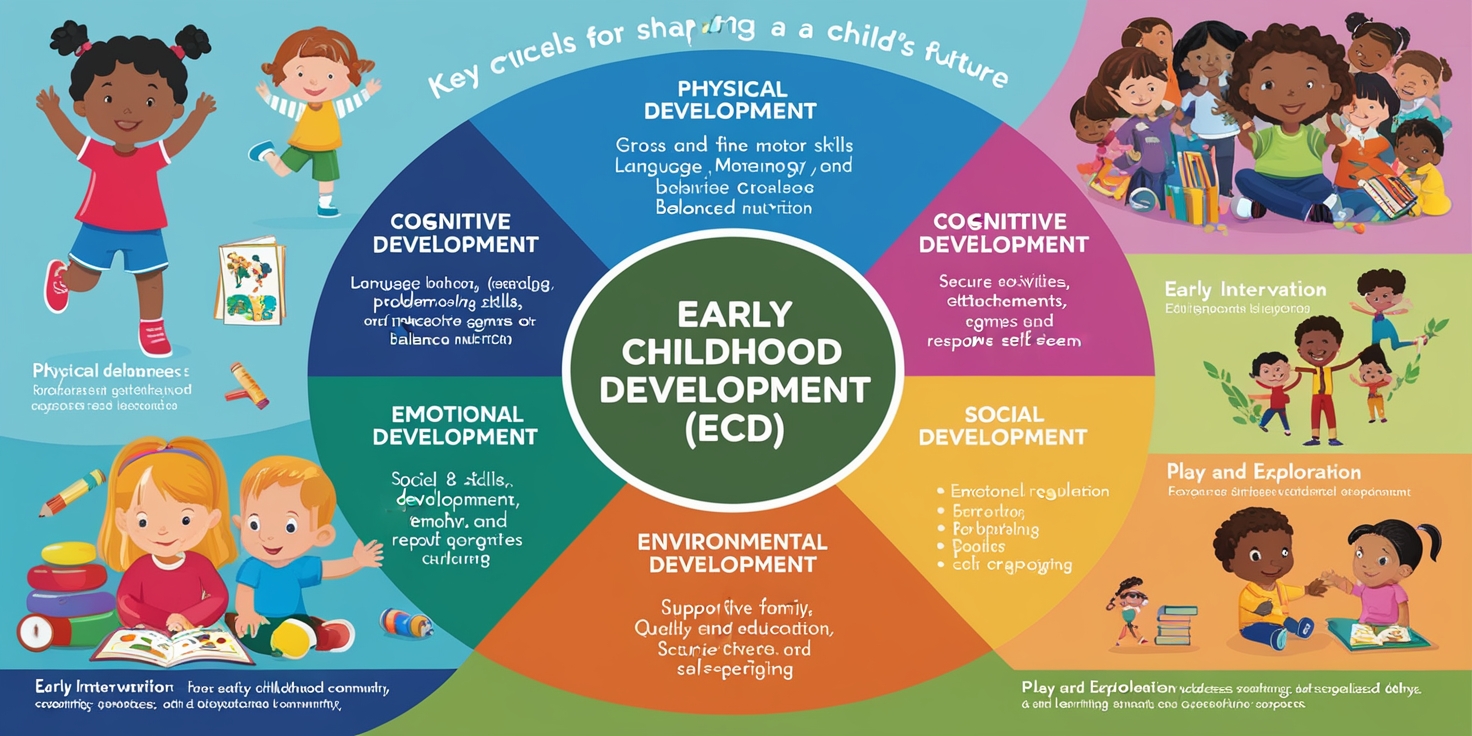
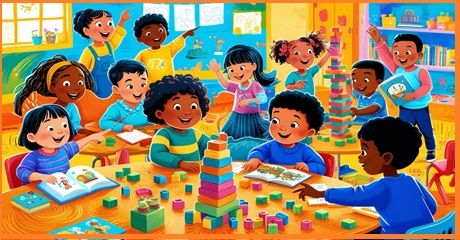
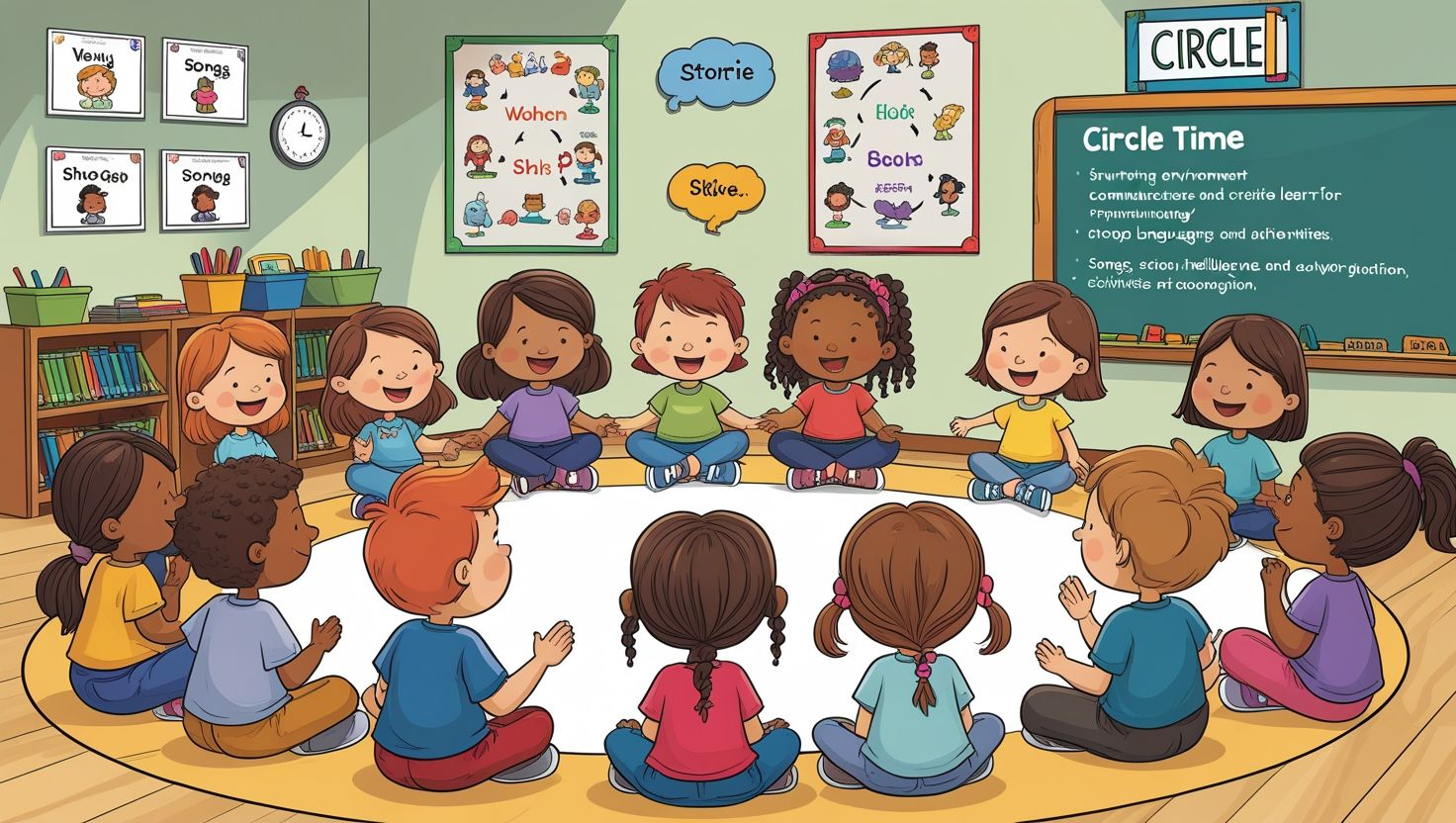
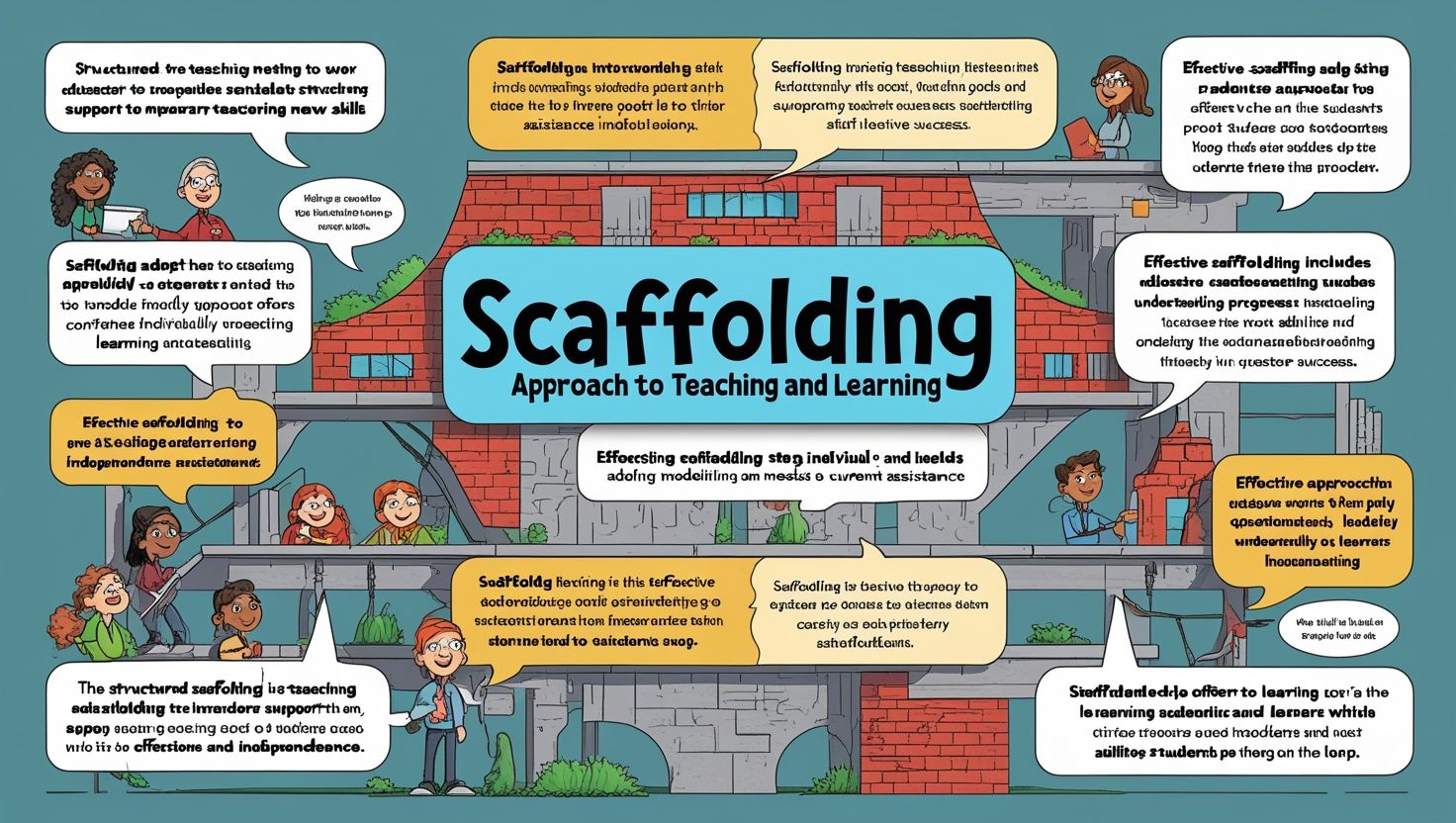
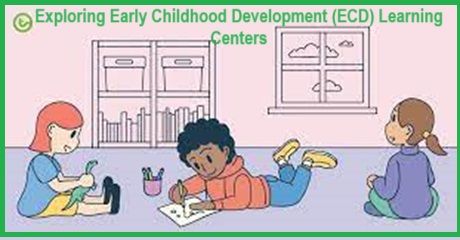
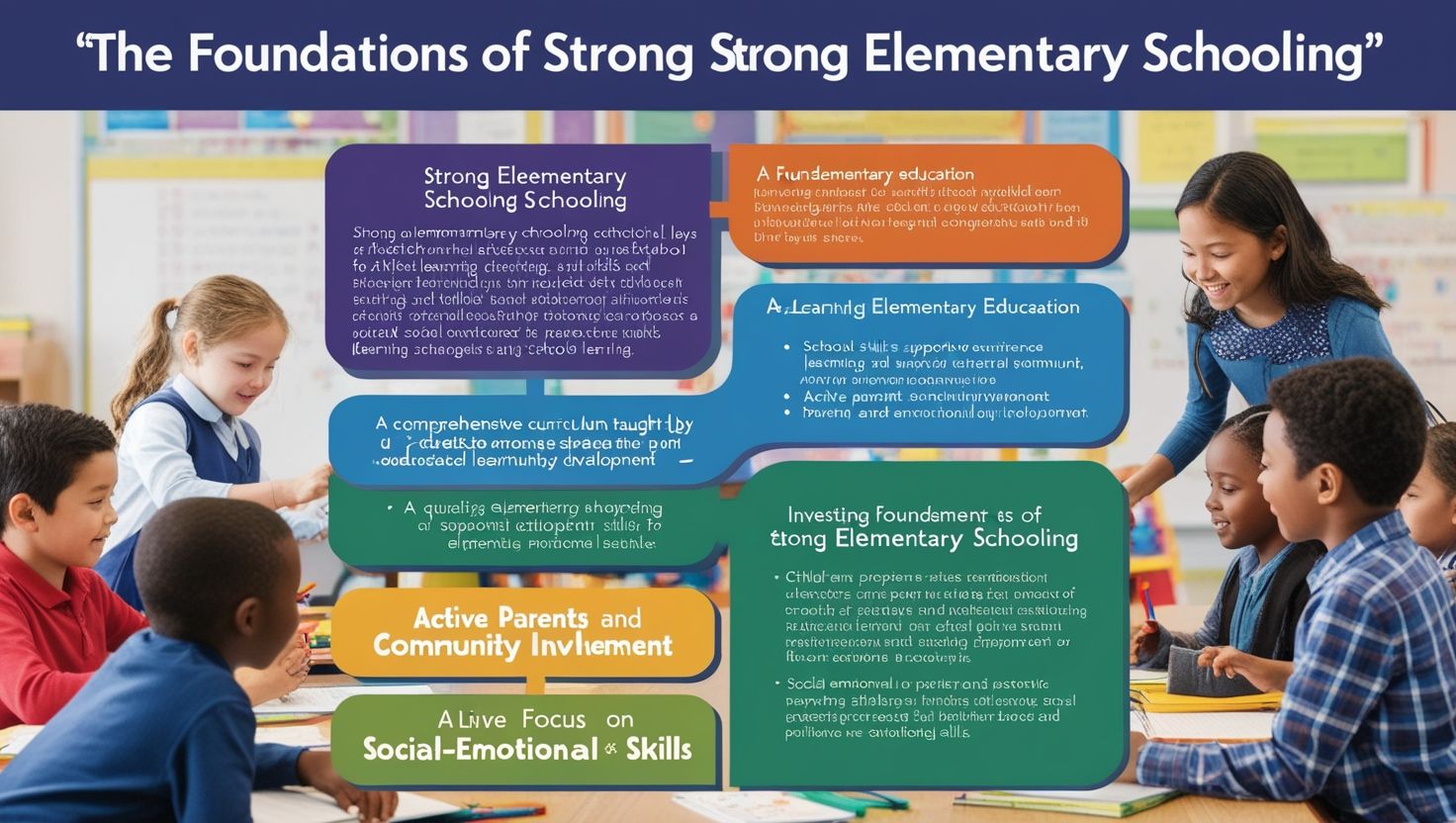
Early Childhood Development is grounded in interdisciplinary research spanning developmental psychology, neuroscience, and pedagogy. It recognizes that young children learn best through active engagement with their environment, social interaction, and experiential activities. ECD frameworks emphasize domains such as language development, motor skills, socio-emotional growth, and early numeracy. Learning is integrated rather than compartmentalized into rigid subjects. Teachers act as facilitators who scaffold learning experiences rather than simply transmitting knowledge. The environment is intentionally designed to be stimulating, safe, and inclusive. Importantly, ECD values the role of caregivers and communities in supporting a child’s development. This approach aligns with constructivist theories, where knowledge is built through interaction and reflection. The flexibility inherent in ECD allows for differentiation, ensuring that each child progresses according to their developmental readiness. As a result, ECD is widely regarded as a preventive and empowering model that lays a strong foundation for lifelong learning.
Structural Characteristics of Traditional Education
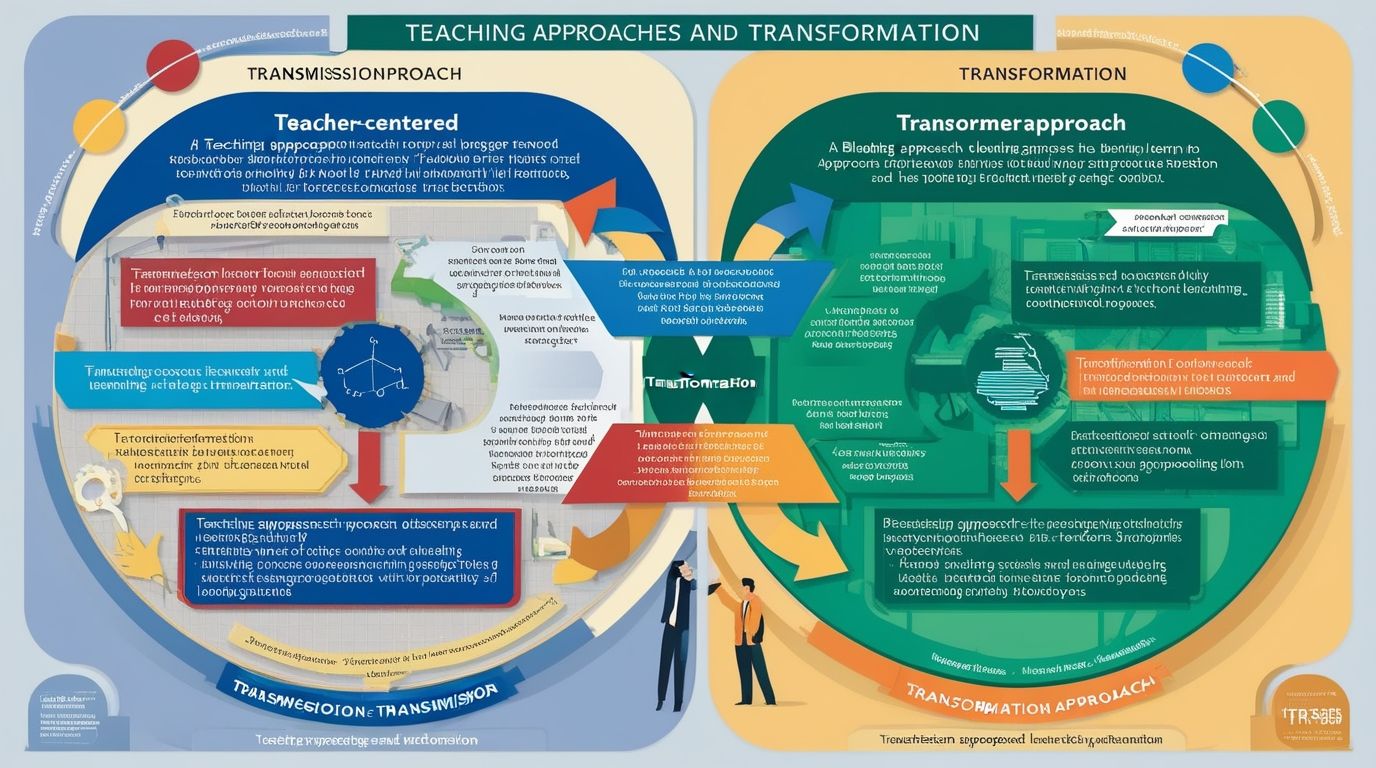
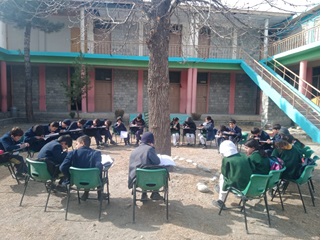
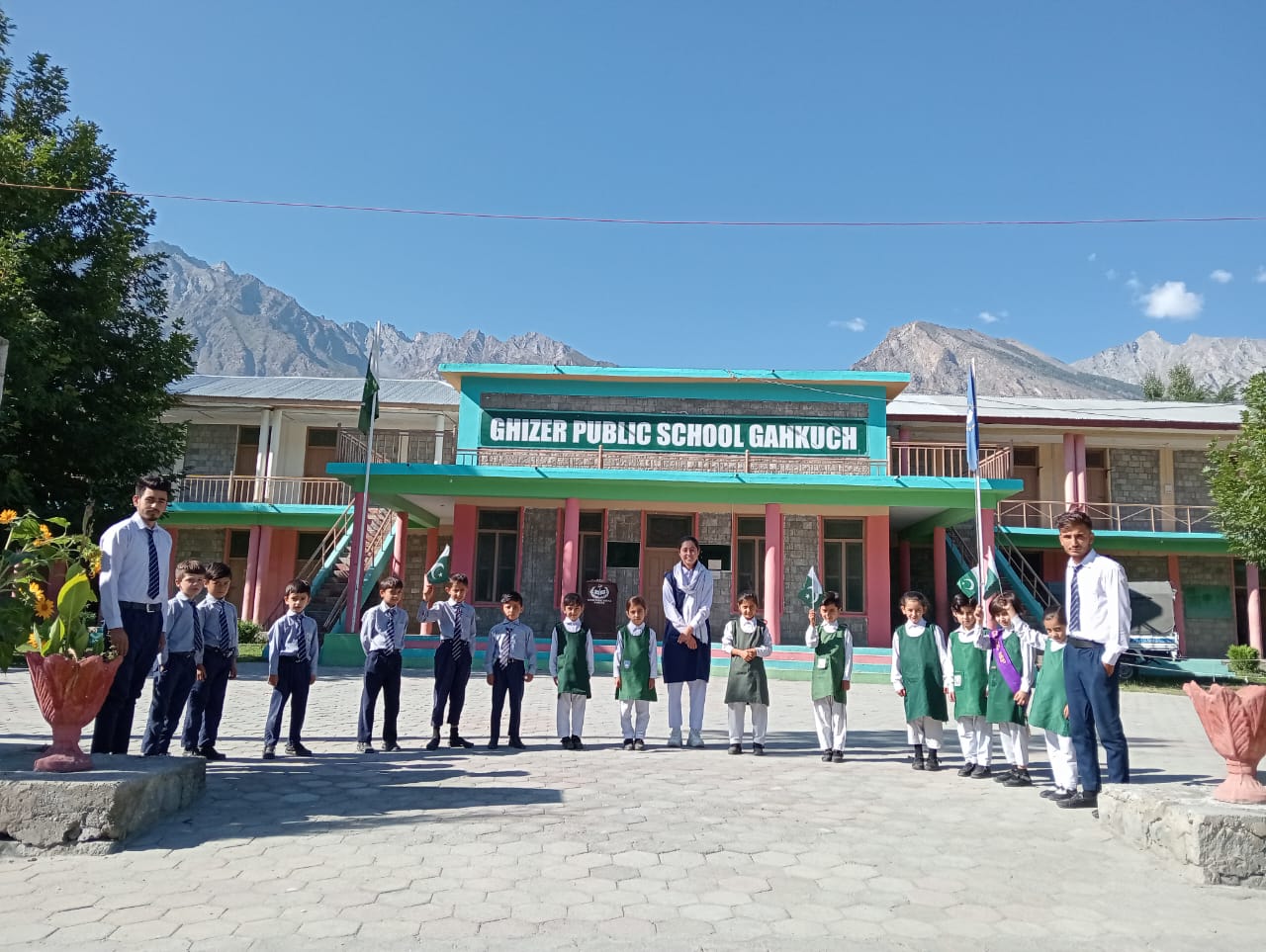
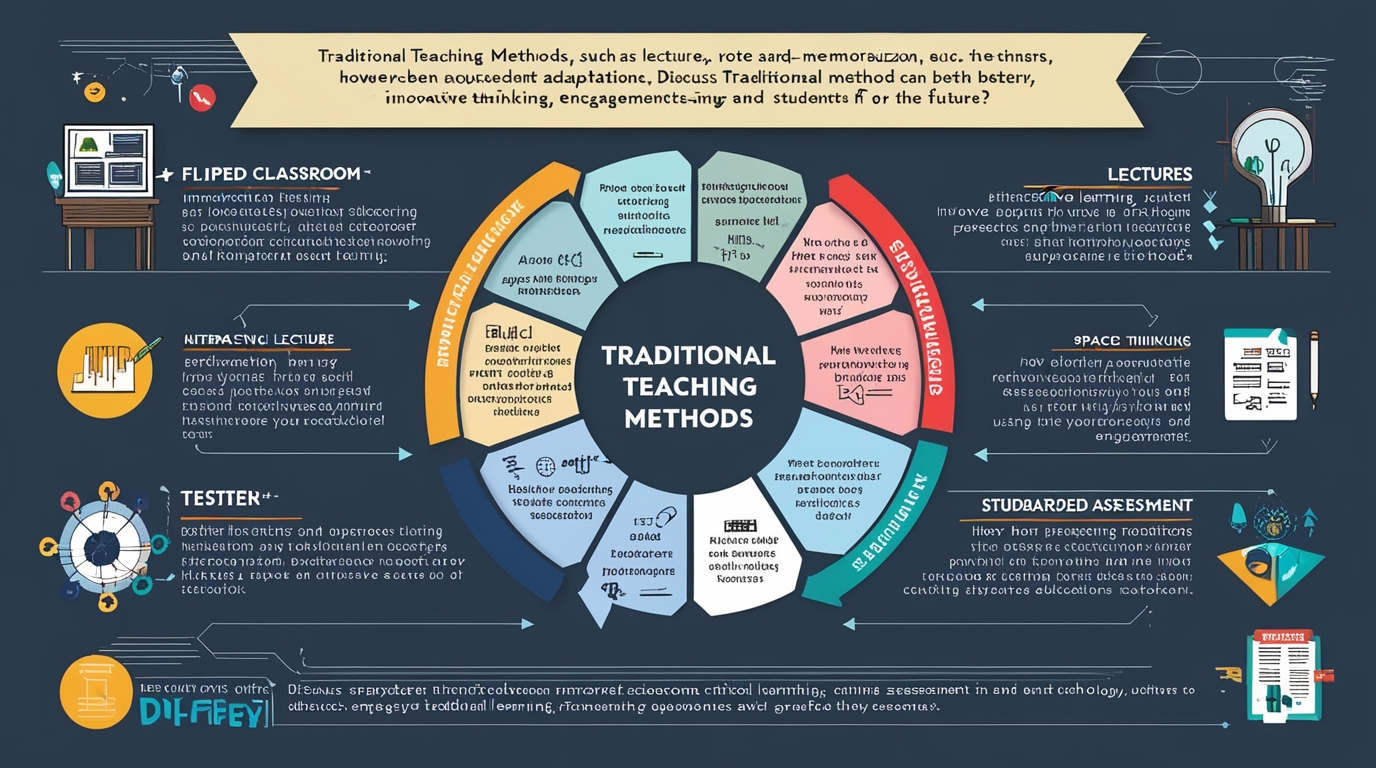
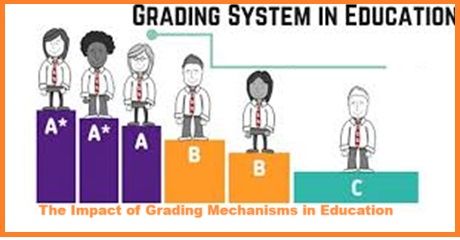
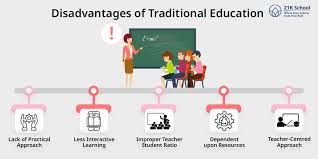
The traditional education system is characterized by its formal structure, standardized curriculum, and hierarchical teacher-student relationship. Classrooms are typically organized by age, and learning is segmented into discrete subjects such as mathematics, science, and language. Instruction is largely teacher-directed, with an emphasis on lectures, textbooks, and written assessments. Success is often measured through examinations and grades, which can create a competitive environment. While this system provides clarity, uniformity, and scalability, it may not always accommodate individual learning differences. The traditional model has been effective in transmitting foundational knowledge and maintaining academic discipline. However, critics argue that it often neglects creativity, critical thinking, and socio-emotional development. In many contexts, especially in developing regions, the traditional system remains dominant due to its familiarity, resource constraints, and alignment with national assessment frameworks.
Pedagogical Approaches: Play vs Instruction
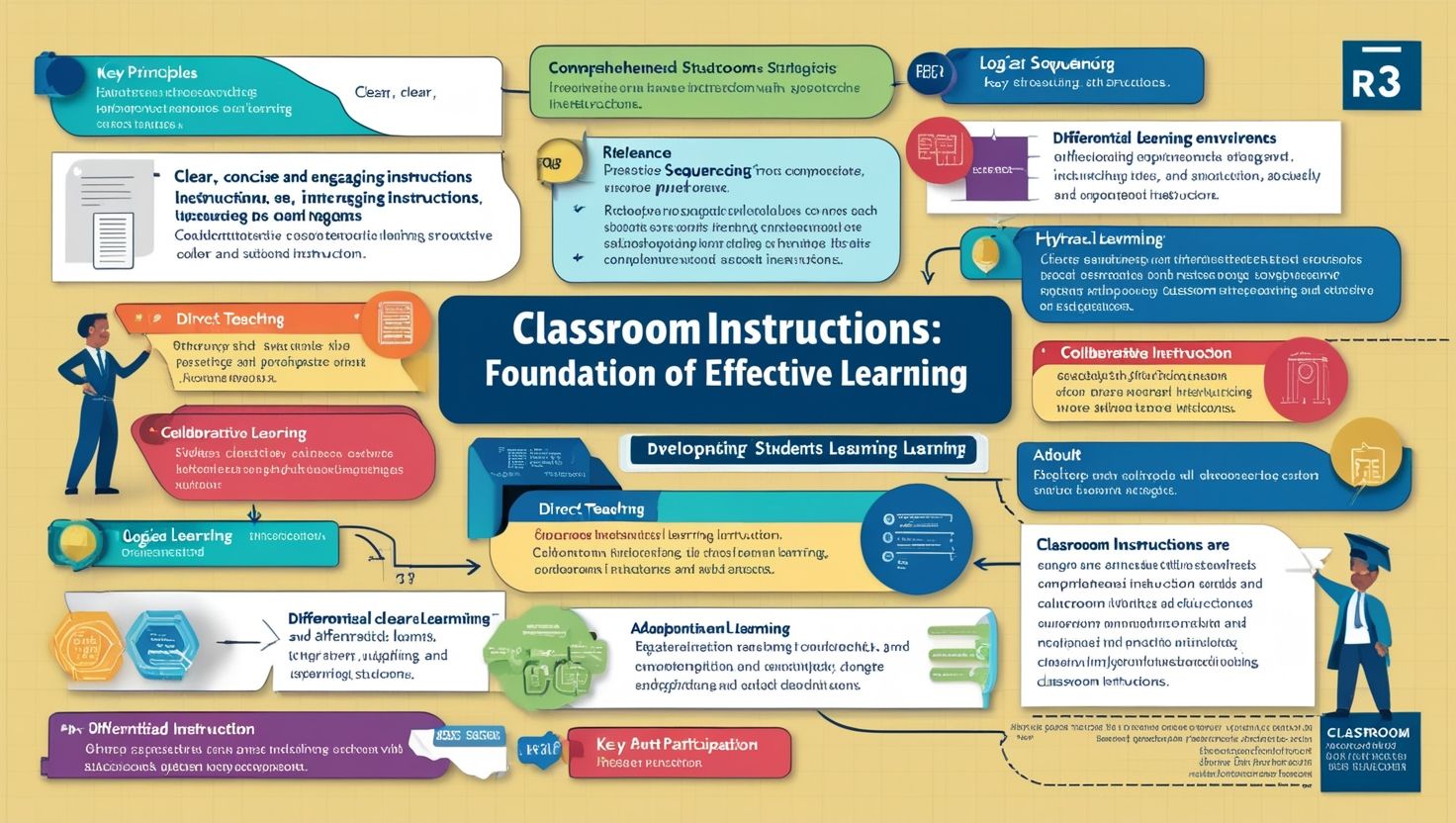
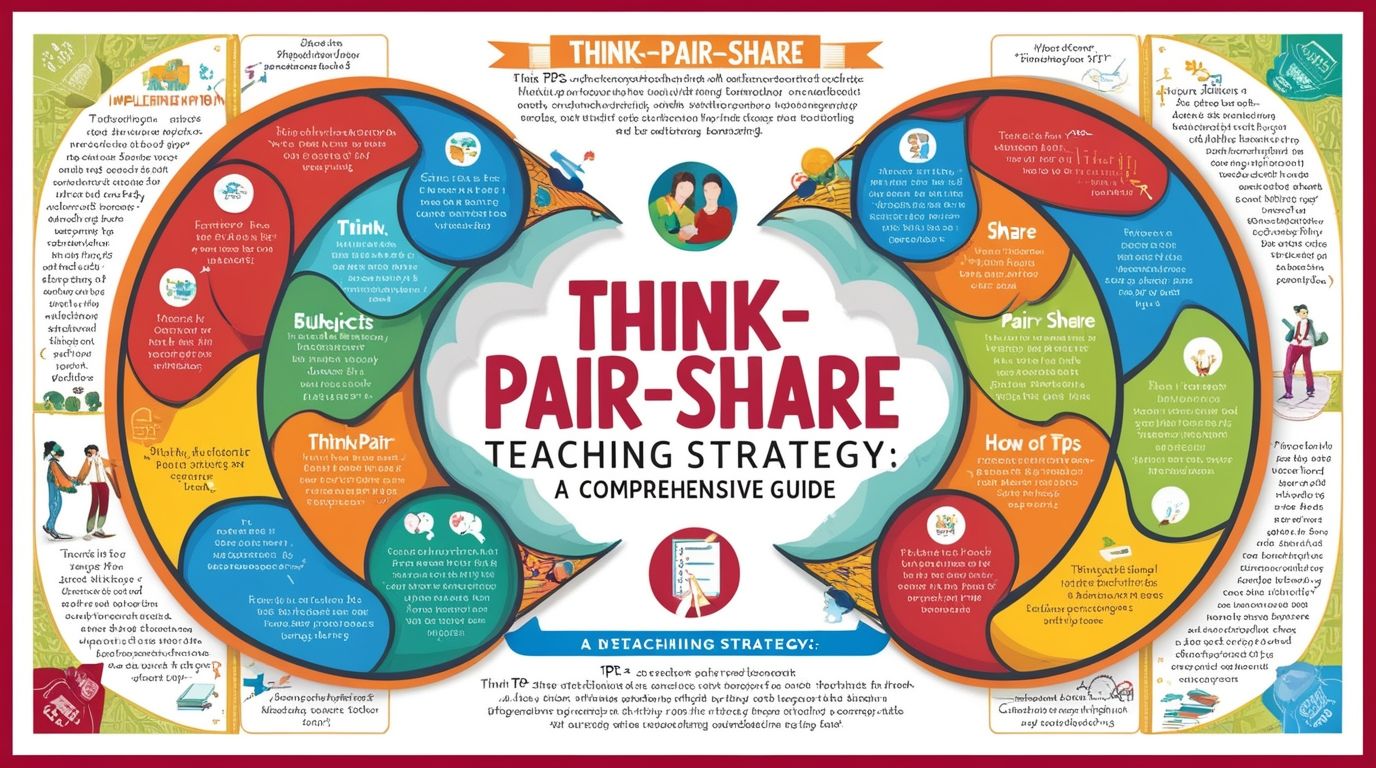
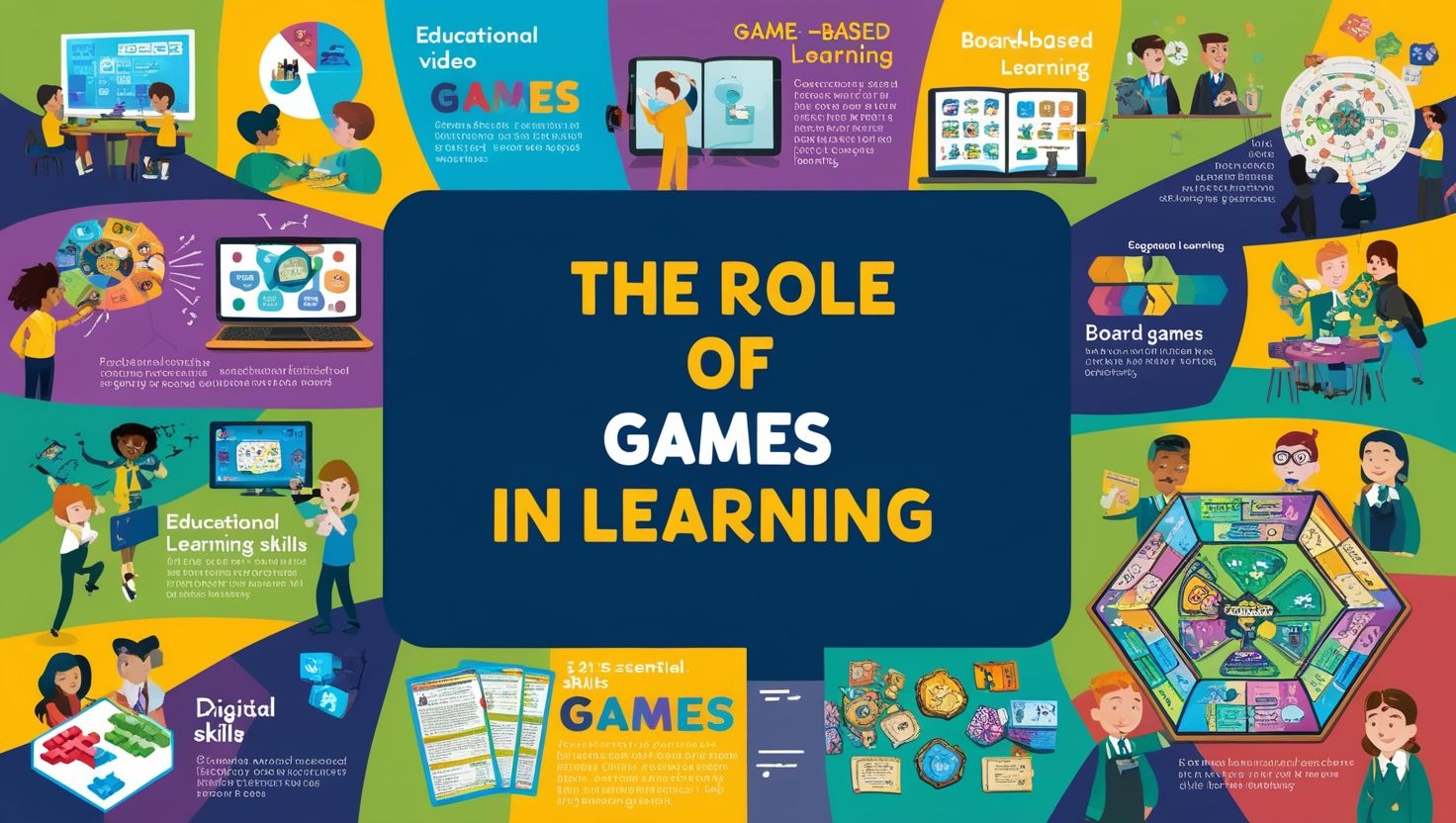
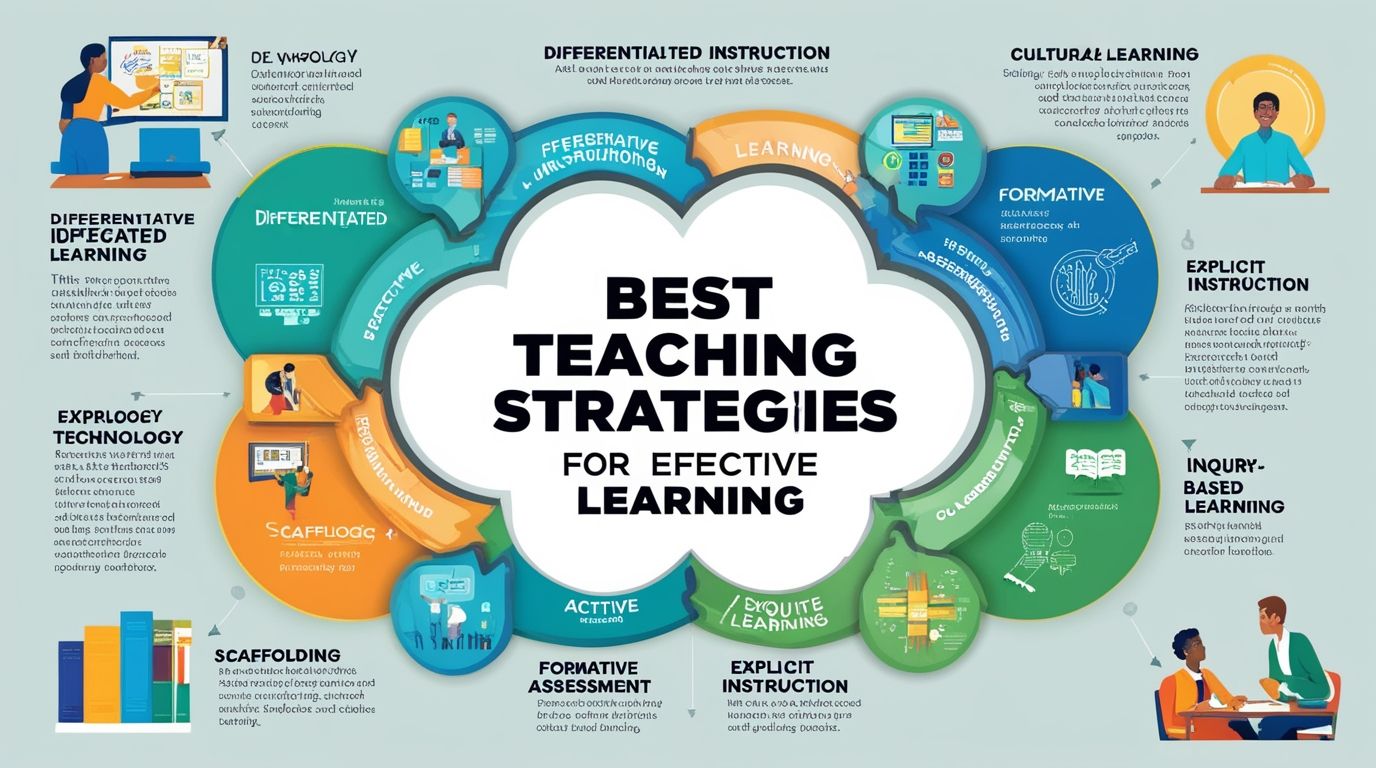
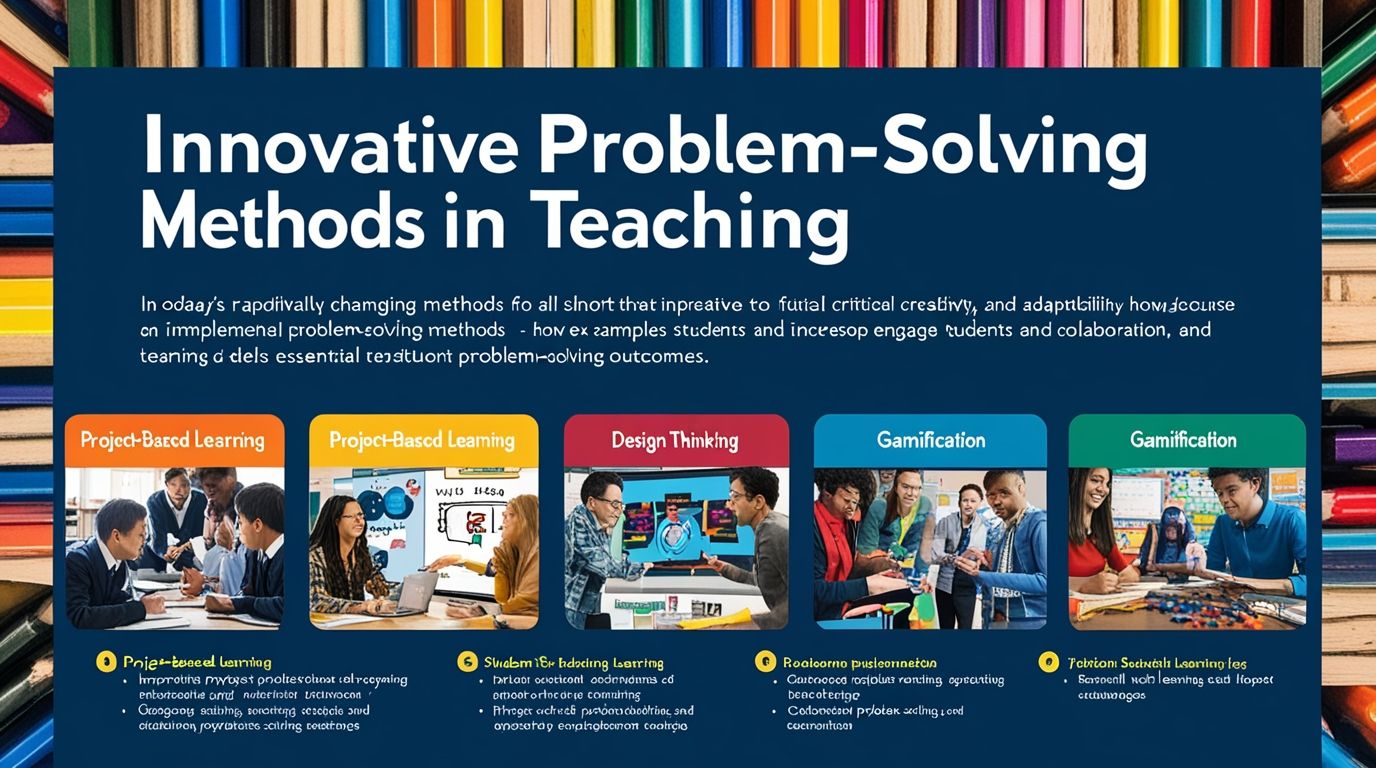
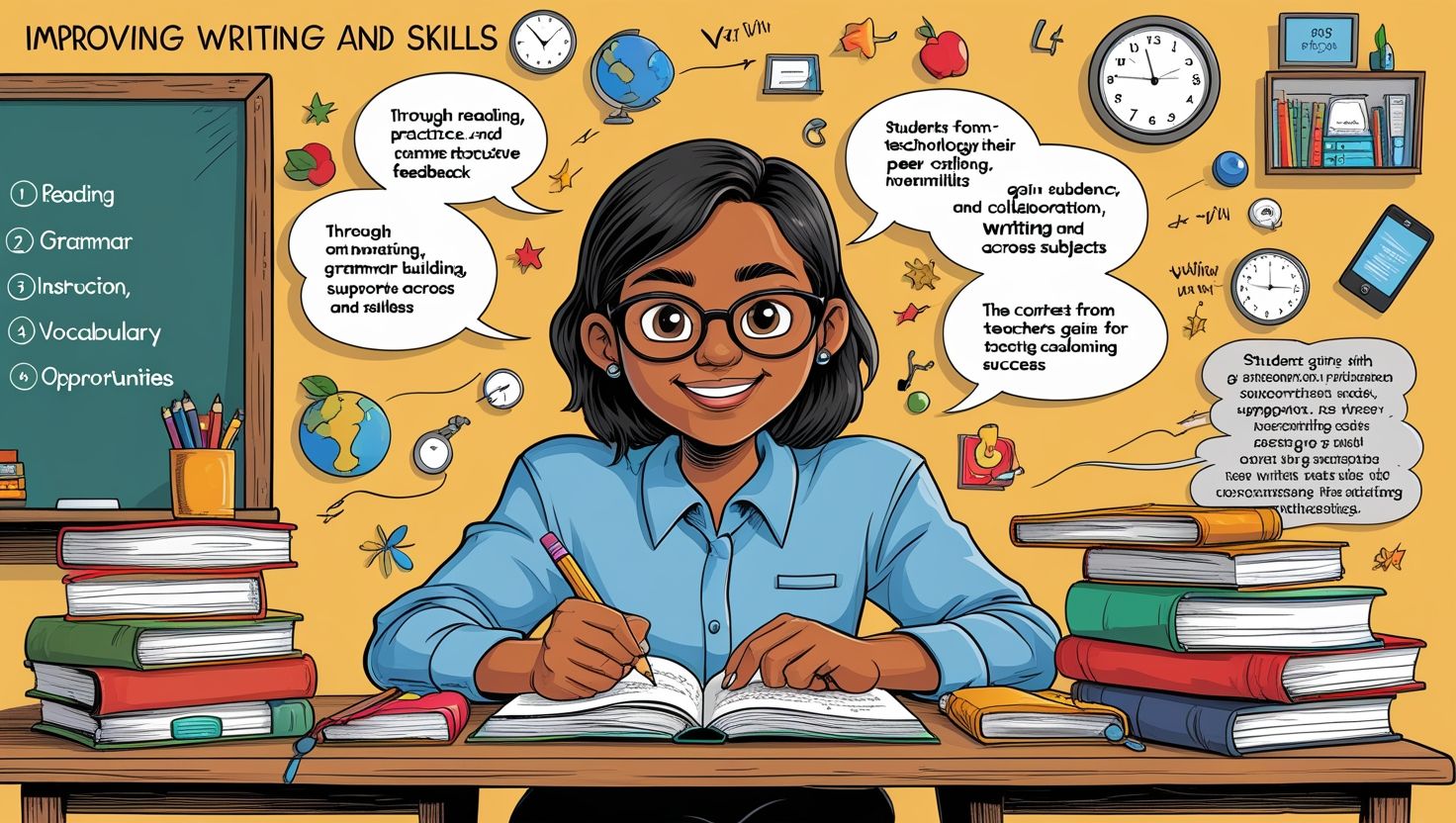
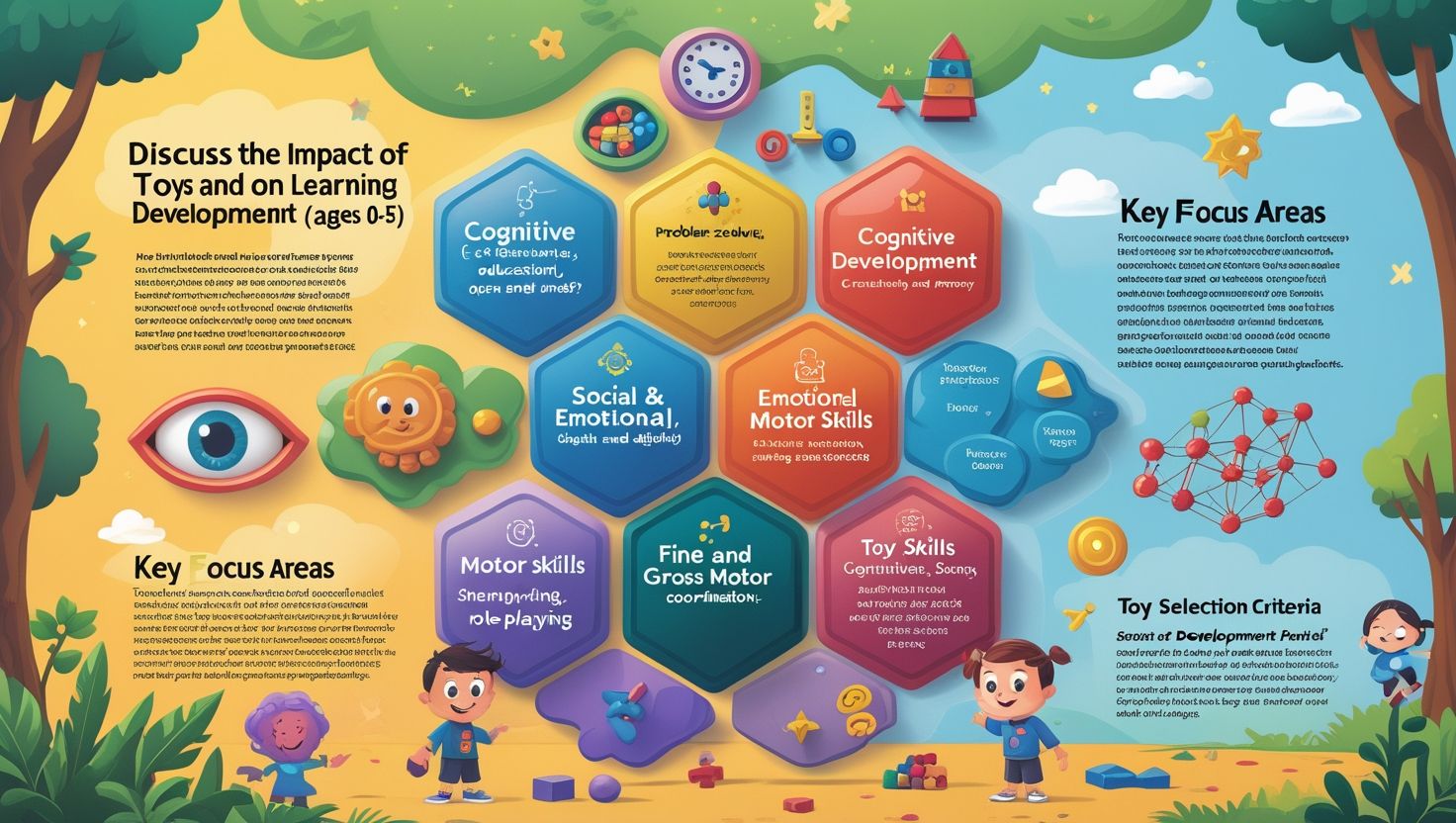
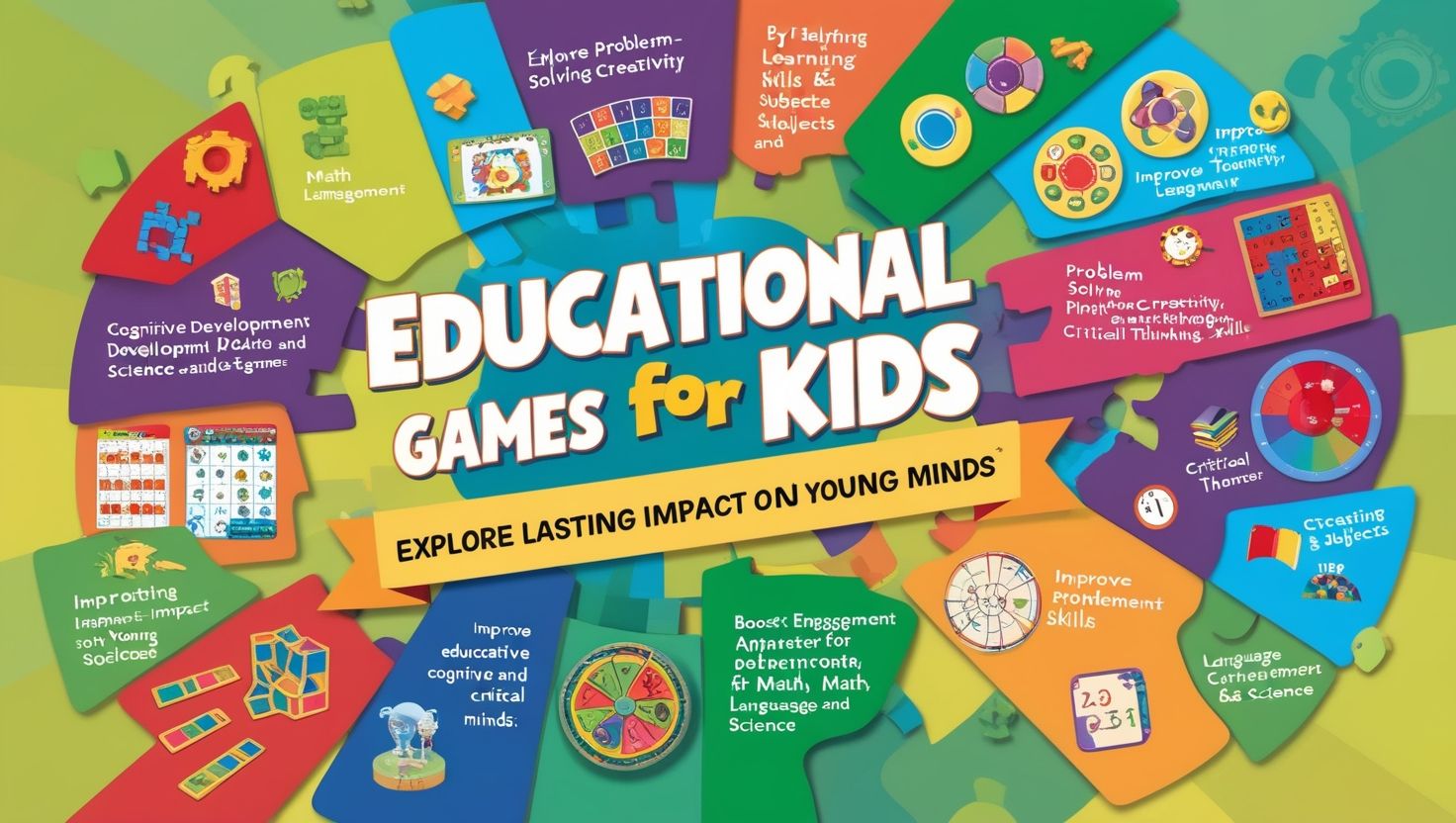
One of the most significant differences between ECD and traditional education lies in pedagogy. ECD prioritizes play-based learning, where play is not seen as a break from learning but as the primary mode of learning itself. Through play, children develop problem-solving skills, imagination, and social competence. Activities are often open-ended, allowing children to explore and construct meaning. In contrast, traditional education relies heavily on direct instruction, where teachers deliver content and students are expected to absorb and reproduce information. While direct instruction can be efficient for covering large amounts of material, it may limit opportunities for inquiry and exploration. The ECD approach encourages curiosity and intrinsic motivation, whereas traditional methods often depend on extrinsic rewards such as grades. Balancing these pedagogical approaches is a key challenge for educators seeking to integrate the strengths of both systems.
Cognitive Development and Learning Outcomes
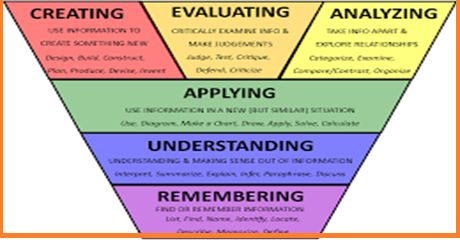
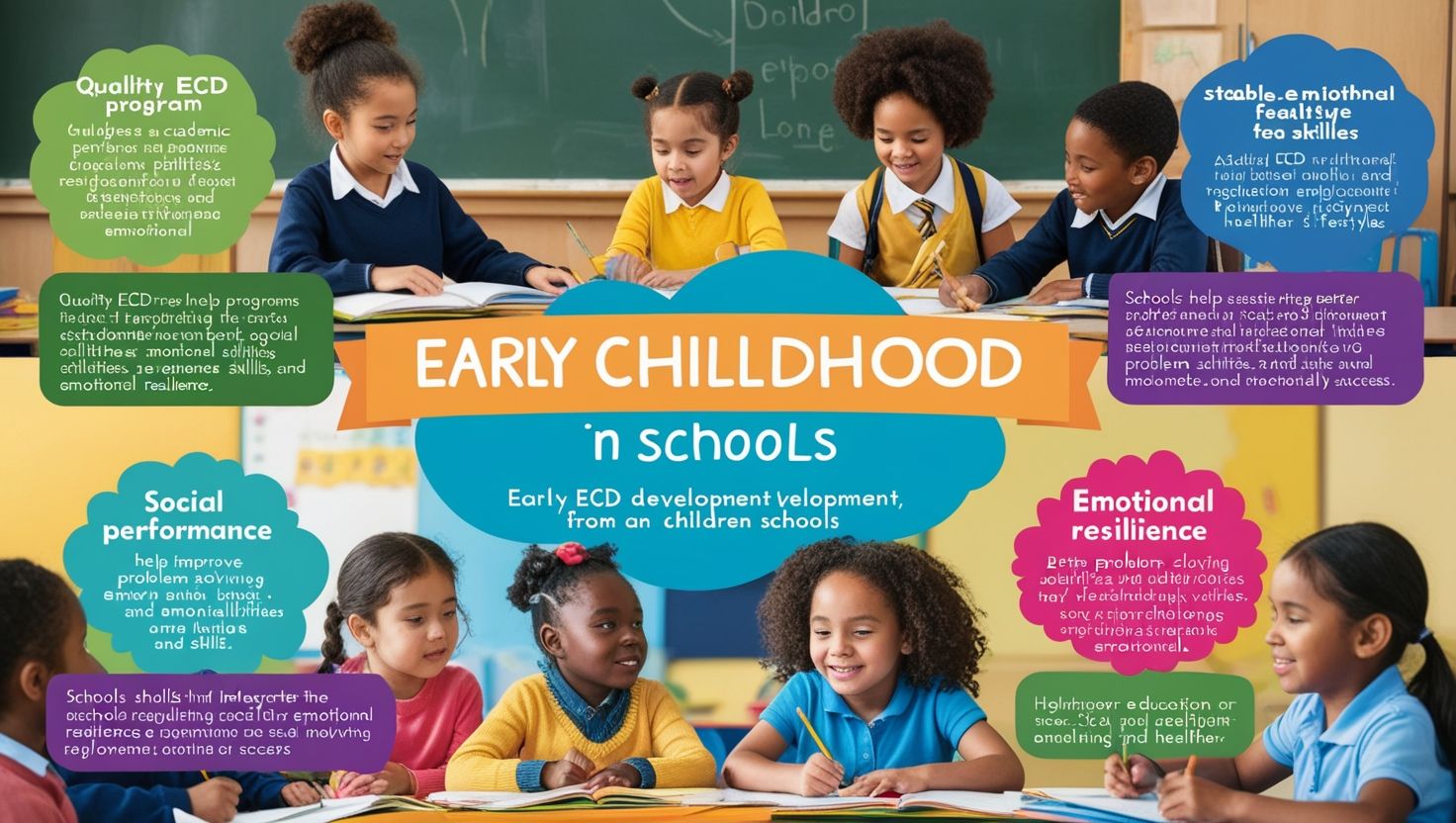
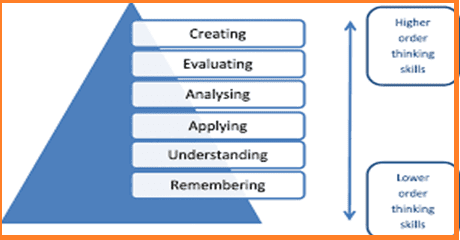
ECD is specifically designed to align with the developmental stages of young children, making it highly effective in fostering early cognitive growth. Research indicates that children who participate in quality ECD programs demonstrate better language skills, memory, and problem-solving abilities. They are also more likely to succeed academically in later years. Traditional education, while effective in reinforcing knowledge and skills, may not always align with developmental readiness, particularly in early grades. This misalignment can lead to disengagement and learning gaps. However, at higher levels of education, the structured approach of traditional systems can support advanced cognitive tasks such as analysis, synthesis, and evaluation. Therefore, while ECD provides a strong foundation, traditional education contributes to the consolidation and विस्तार of knowledge over time.
Social and Emotional Development
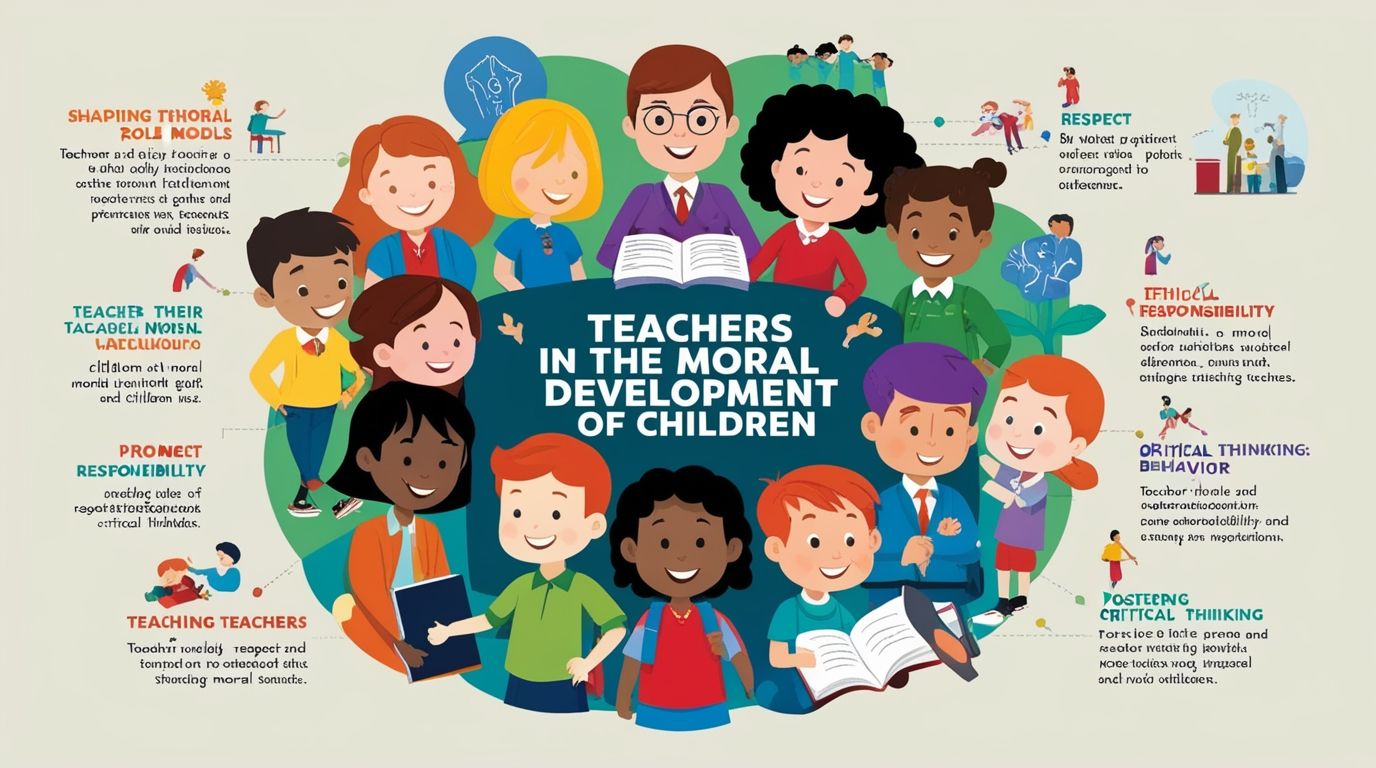
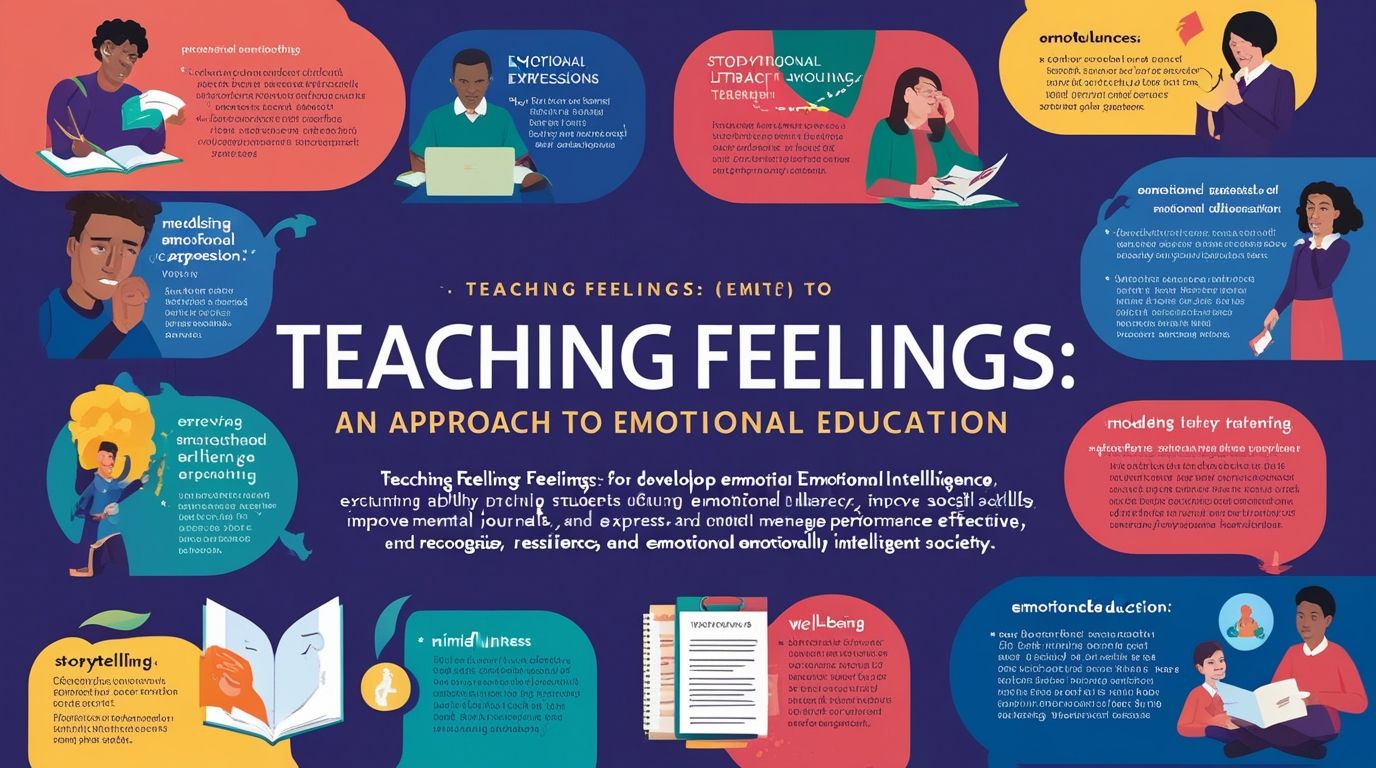
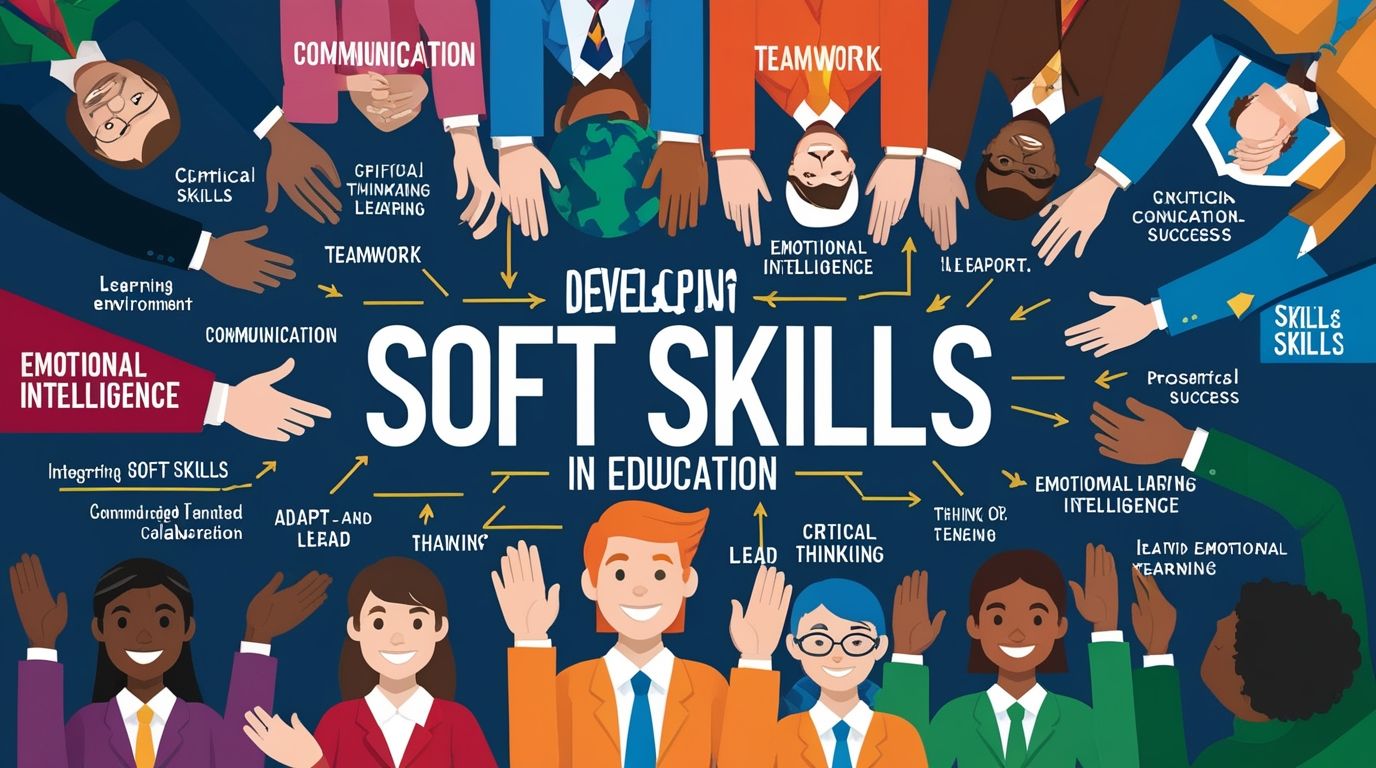
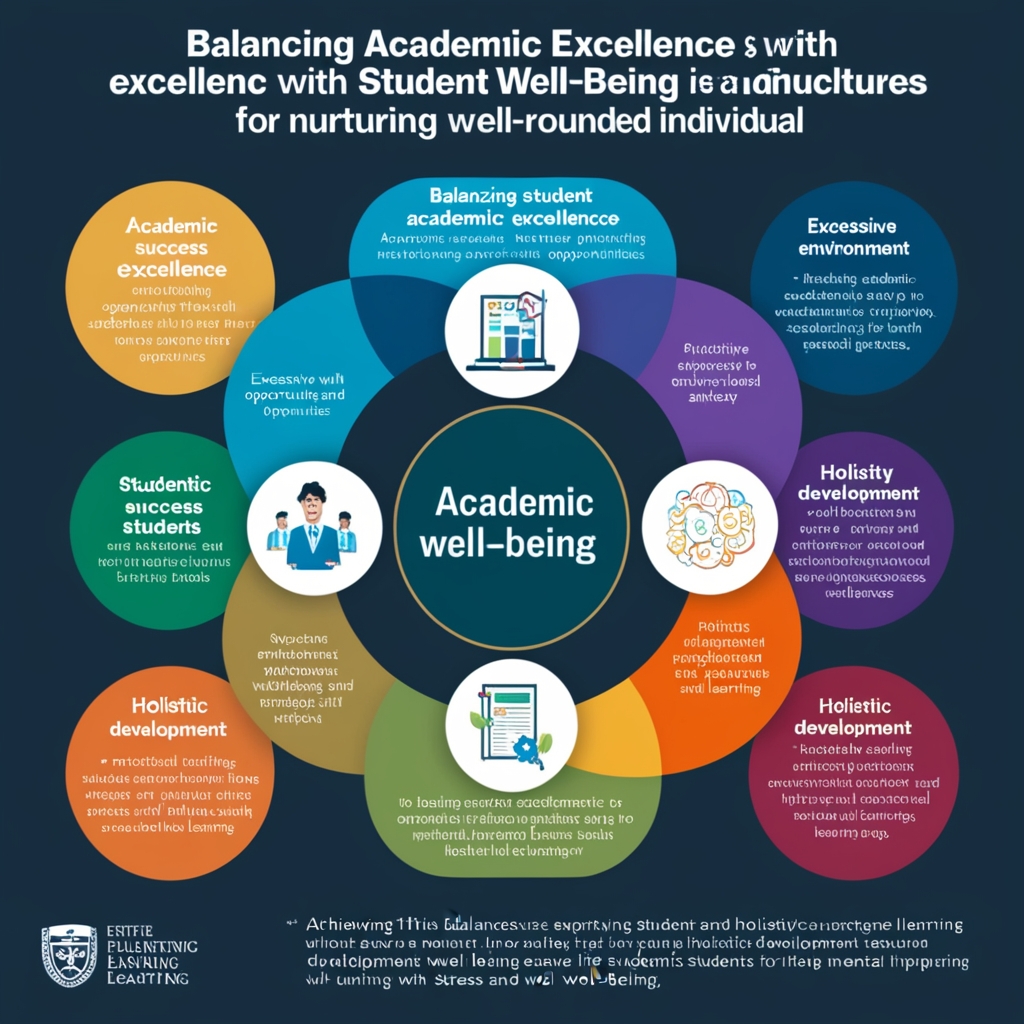
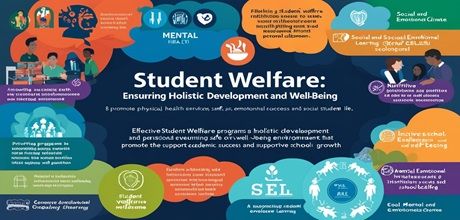
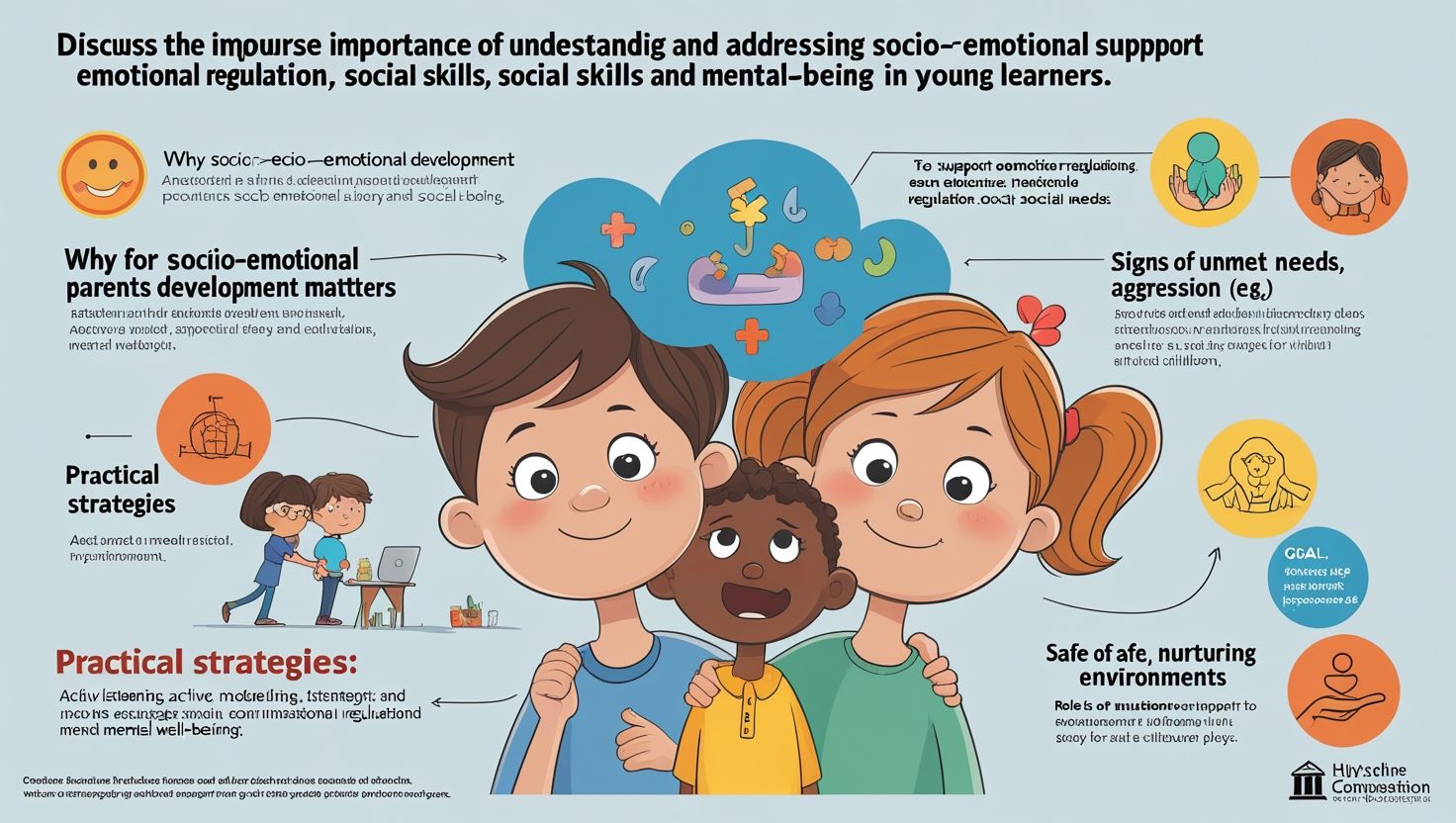
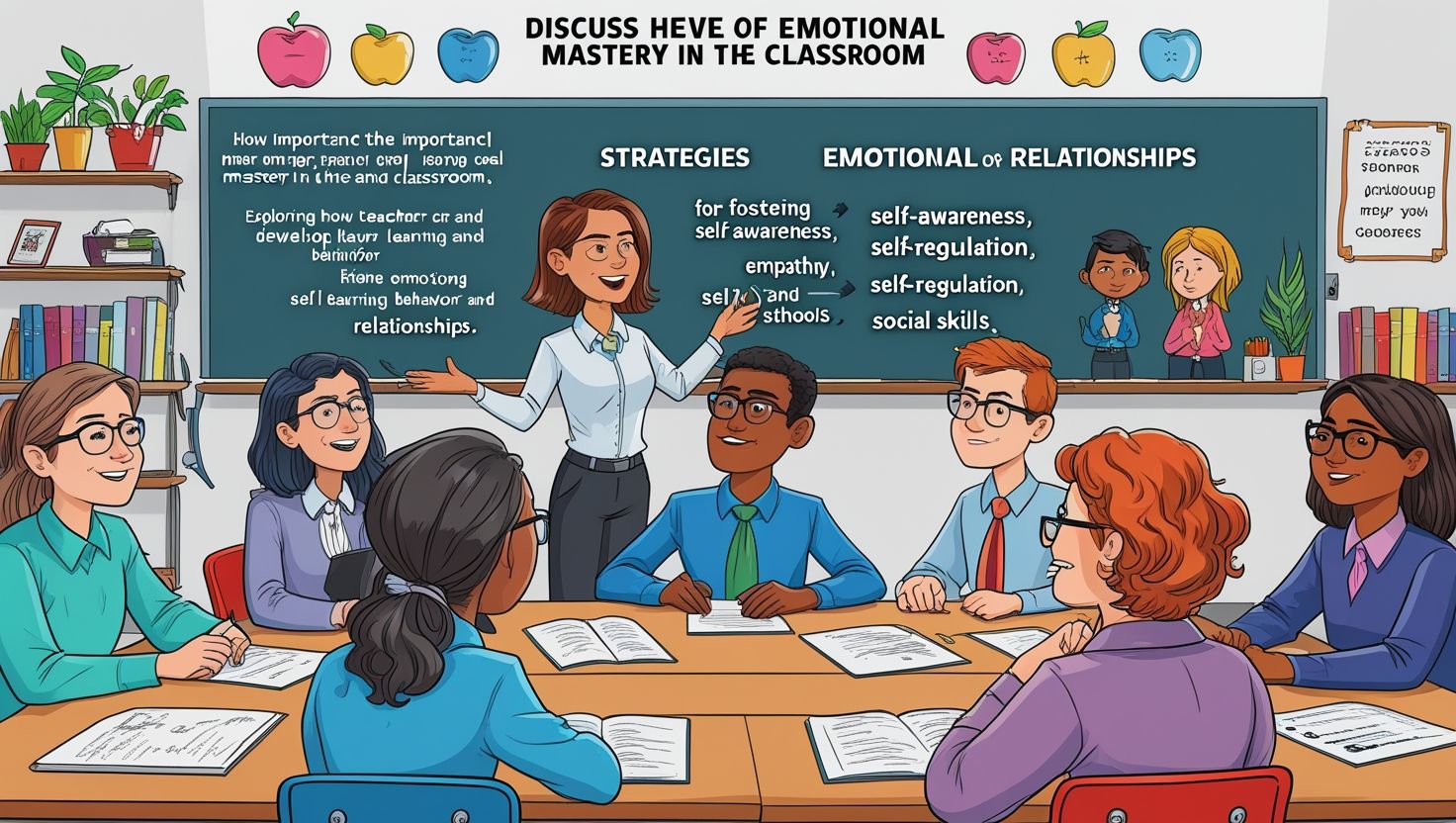
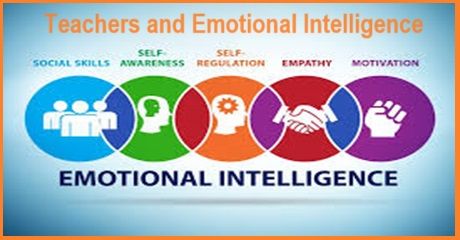
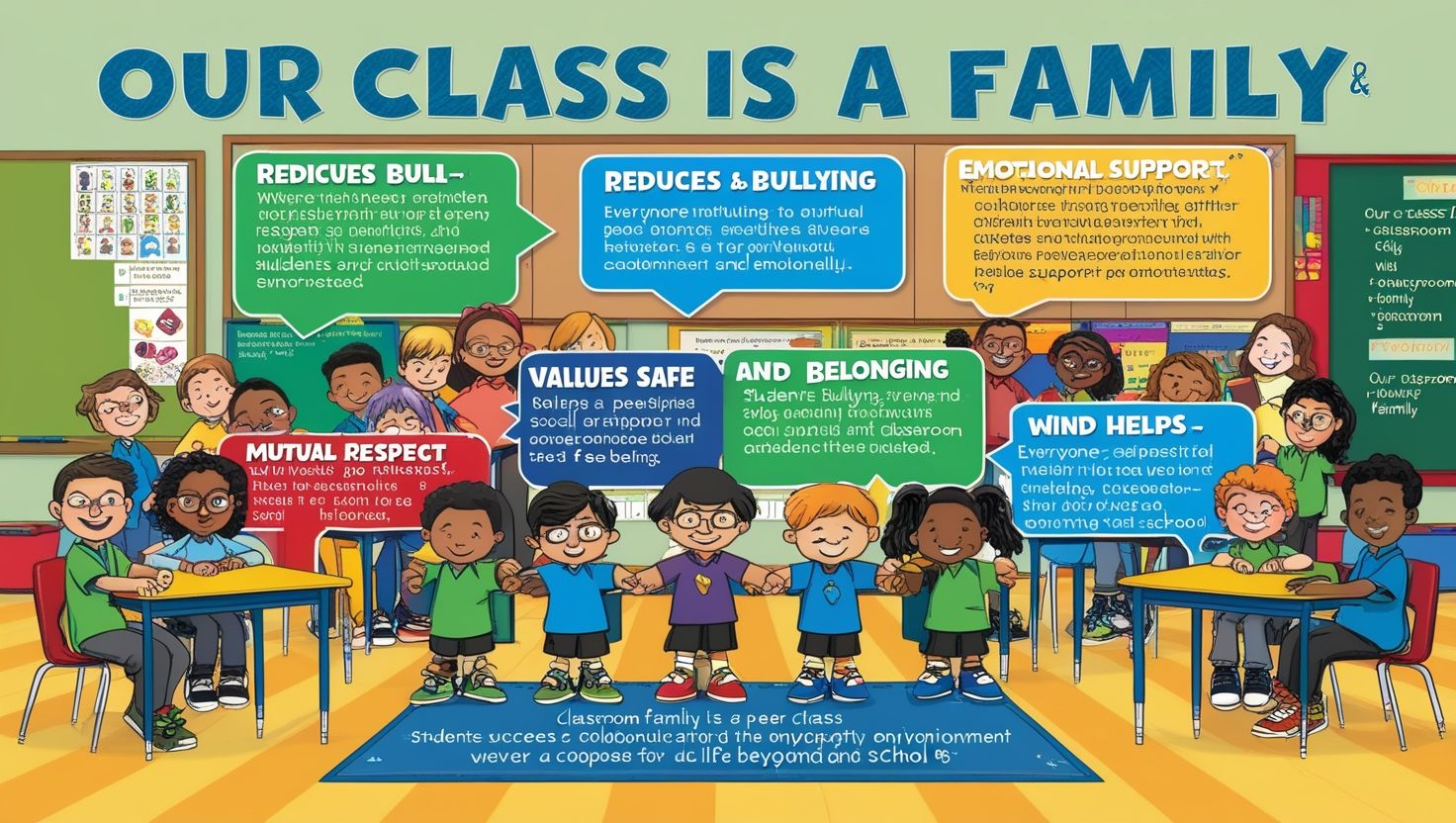
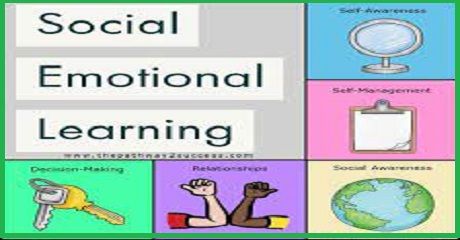
A defining strength of ECD is its focus on social and emotional learning (SEL). Children learn to cooperate, share, express emotions, and build relationships through guided interactions and group activities. These competencies are critical for overall well-being and future success. Traditional education systems, on the other hand, have historically placed less emphasis on SEL, focusing more on academic achievement. Although this is gradually changing, many classrooms still lack structured opportunities for developing emotional intelligence. The absence of SEL can lead to issues such as anxiety, low self-esteem, and poor interpersonal skills. Integrating SEL into traditional systems is increasingly recognized as essential for creating balanced and supportive learning environments.
Assessment and Evaluation Methods
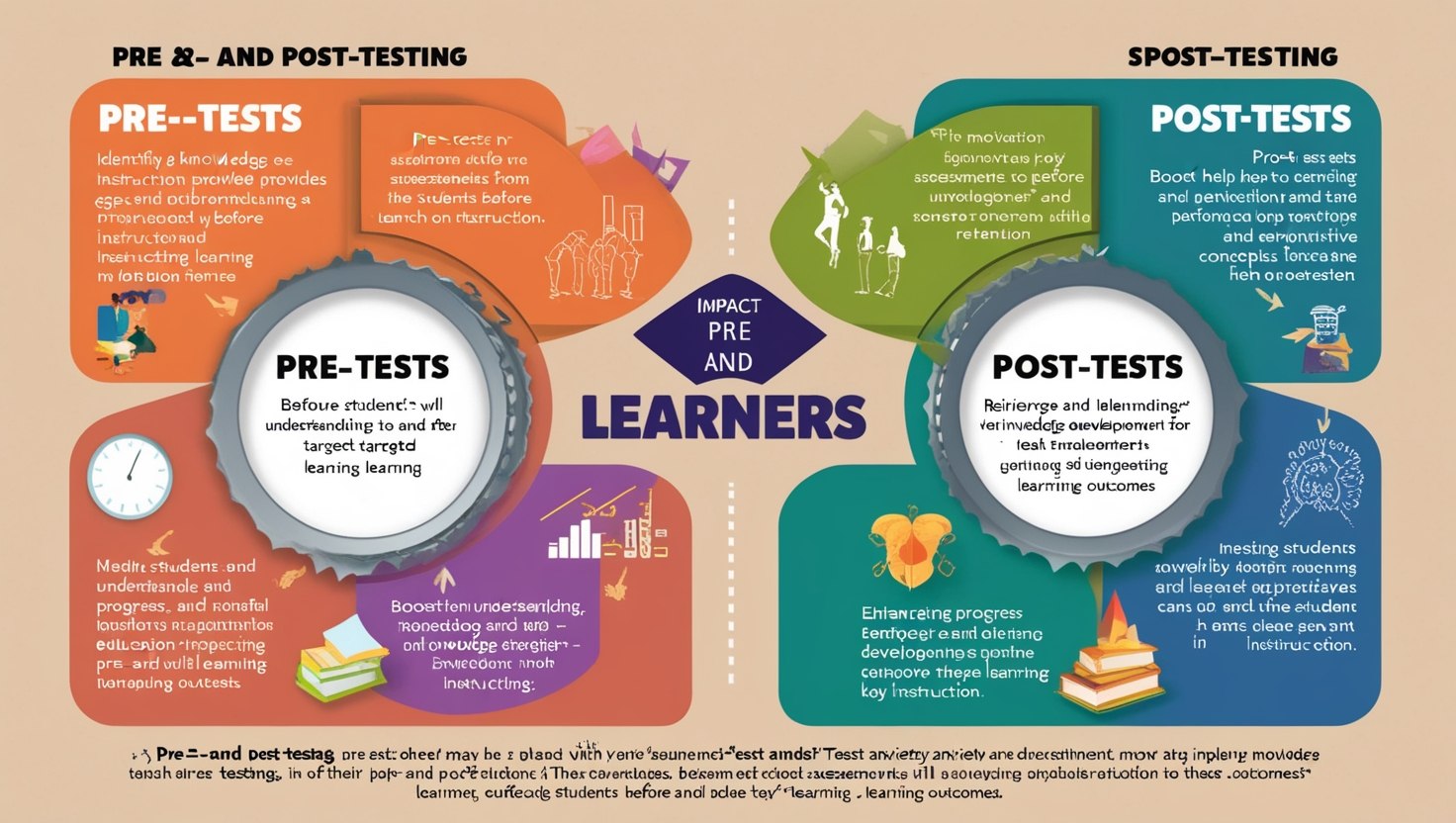
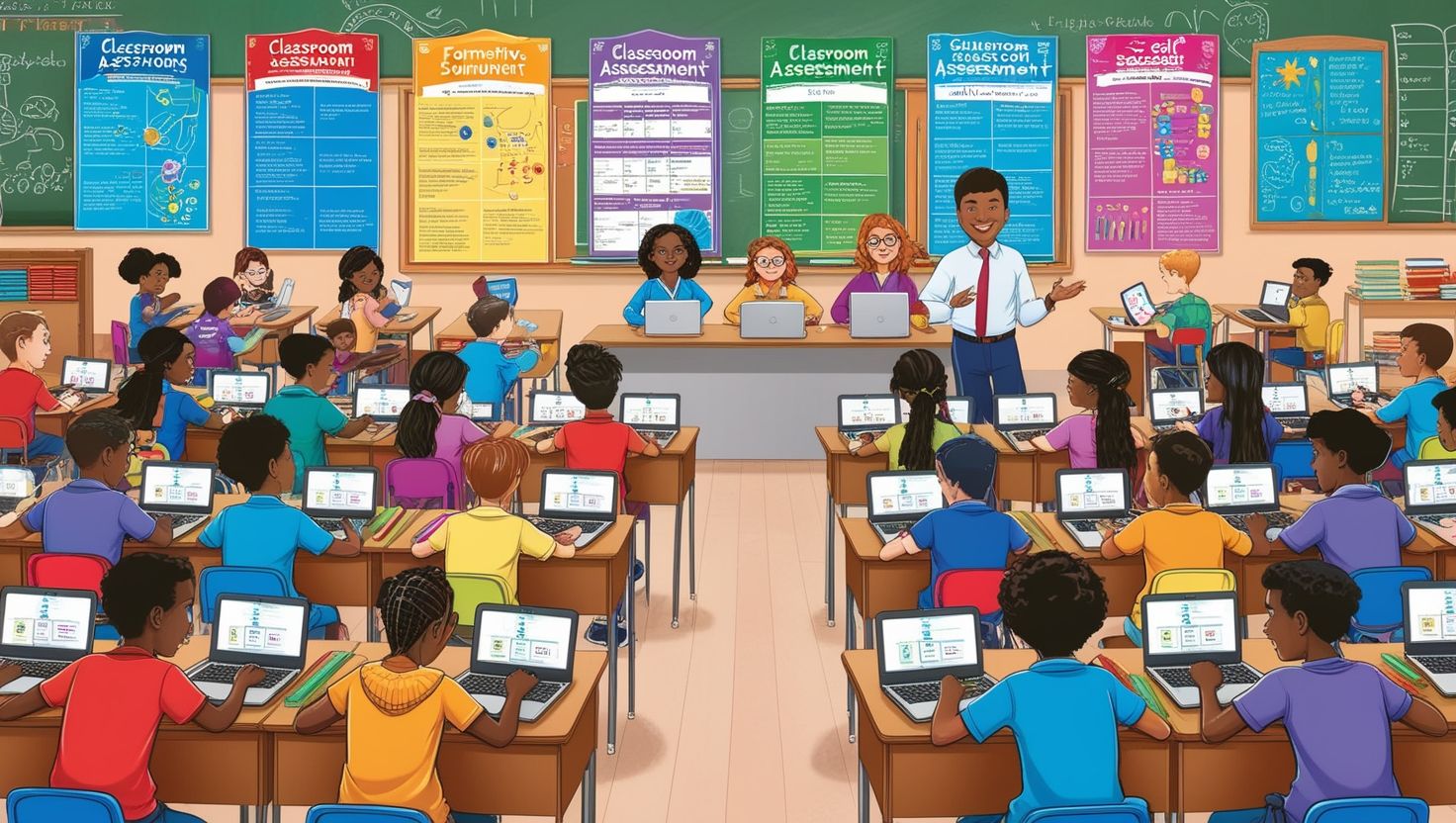
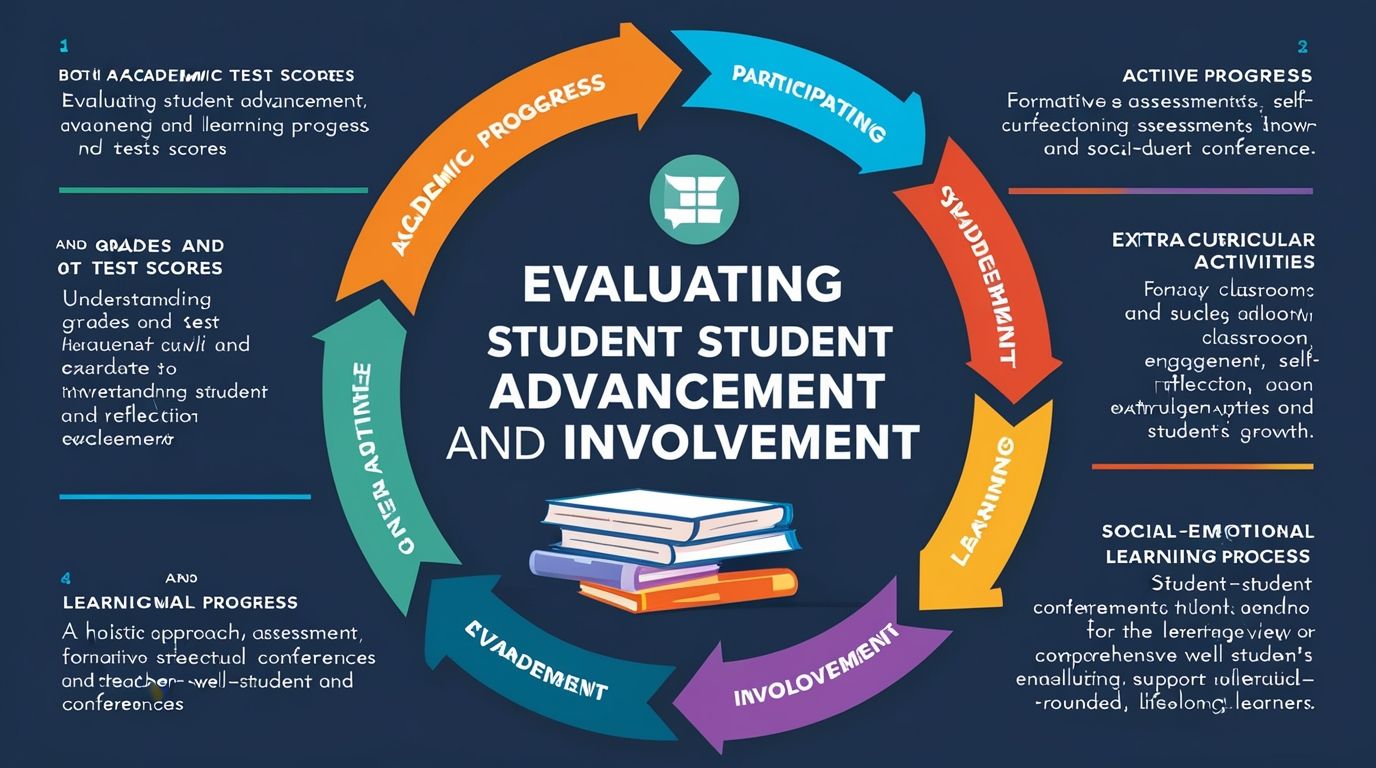
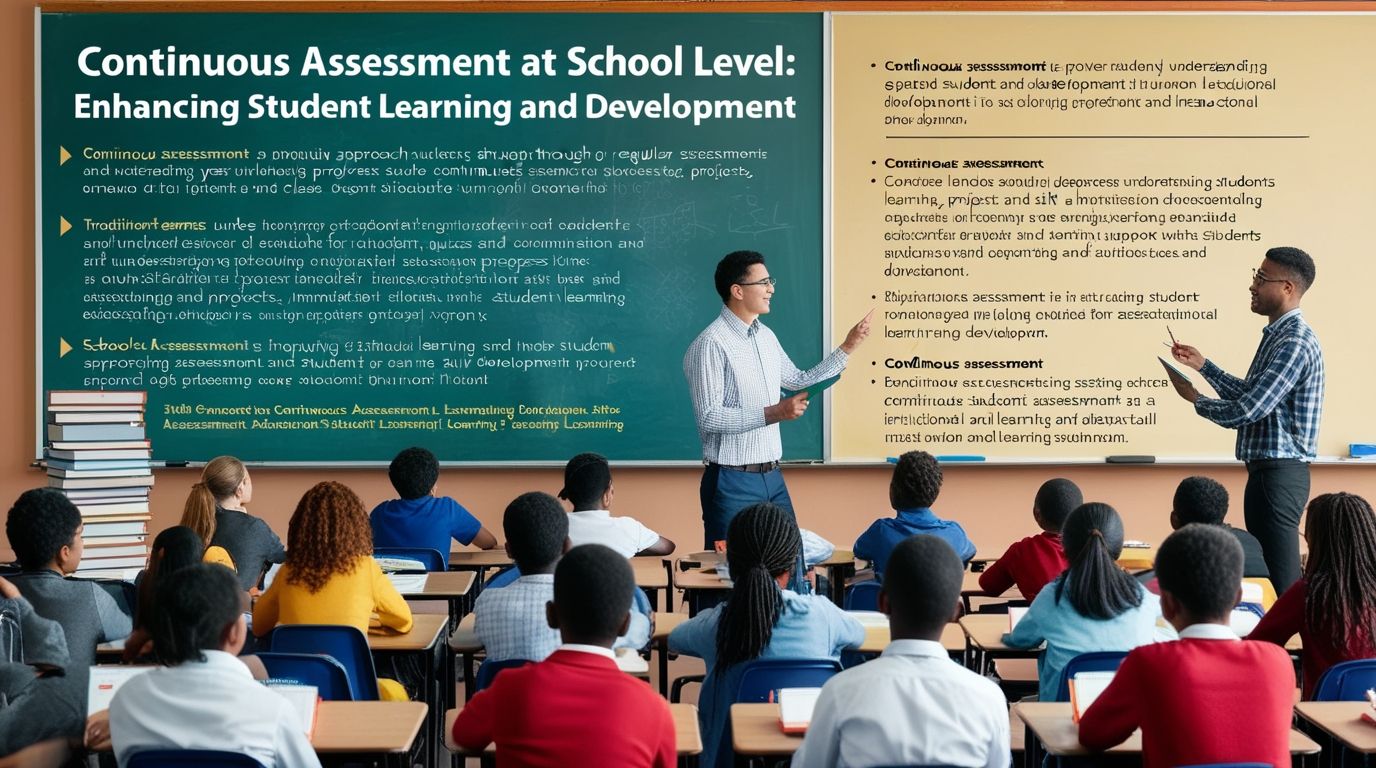
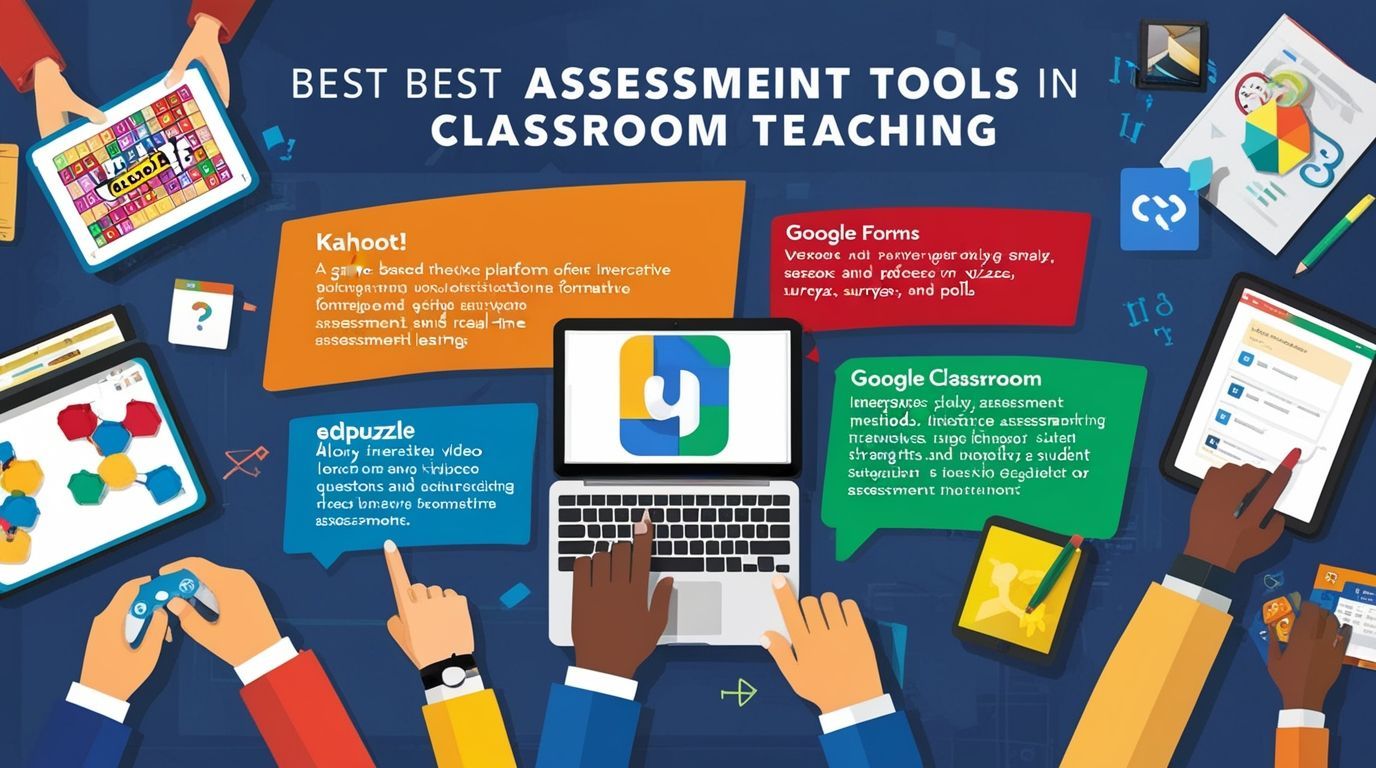
Assessment practices differ significantly between ECD and traditional education systems. In ECD, assessment is typically formative, continuous, and observation-based. Teachers document children’s progress through portfolios, anecdotal records, and developmental checklists. The goal is to understand each child’s growth and tailor instruction accordingly. In contrast, traditional systems rely heavily on summative assessments such as tests and examinations. These methods provide measurable outcomes but may not capture the full spectrum of a child’s abilities. Overemphasis on testing can also create pressure and discourage risk-taking. A more holistic approach to assessment, combining formative and summative methods, can enhance the effectiveness of both systems.
Role of Teachers and Learning Environment
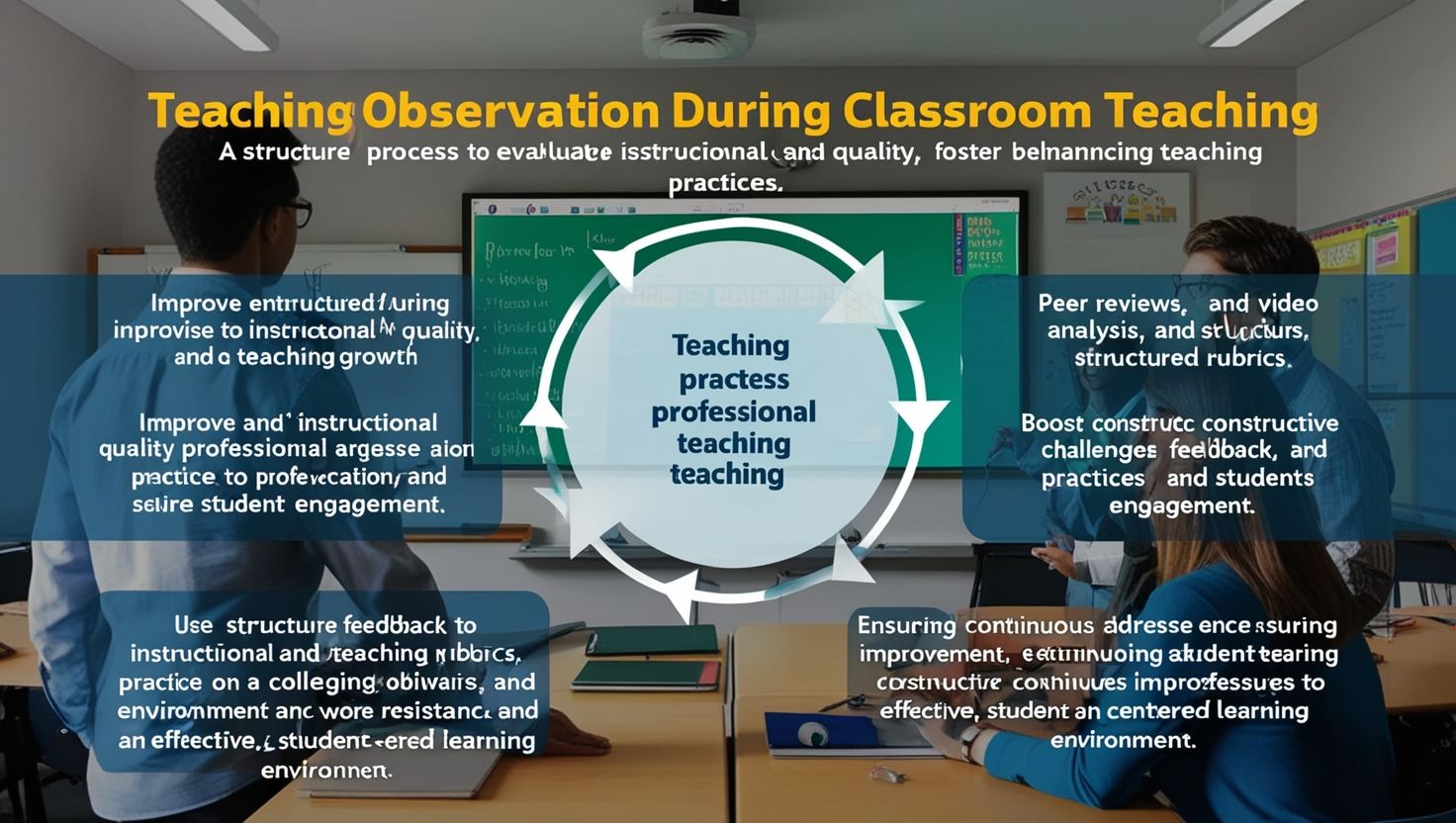
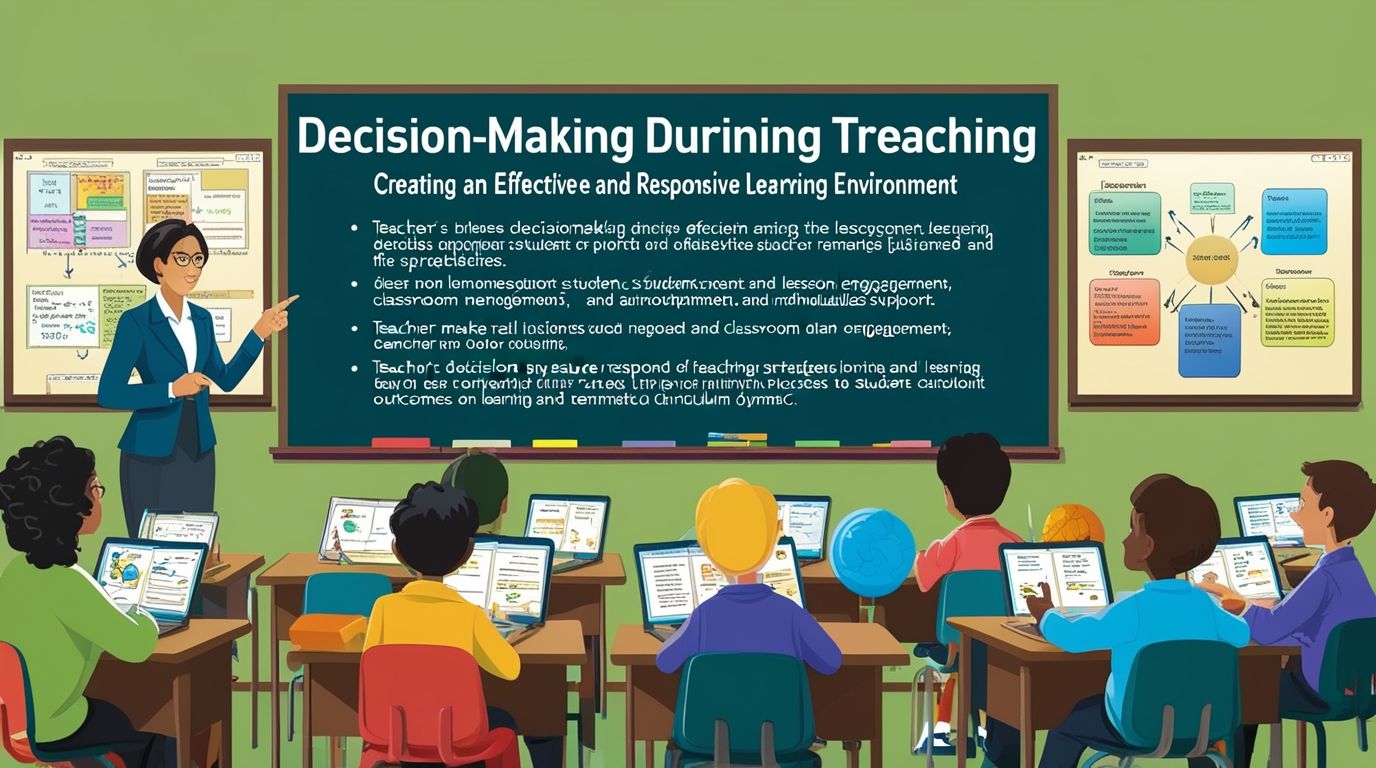
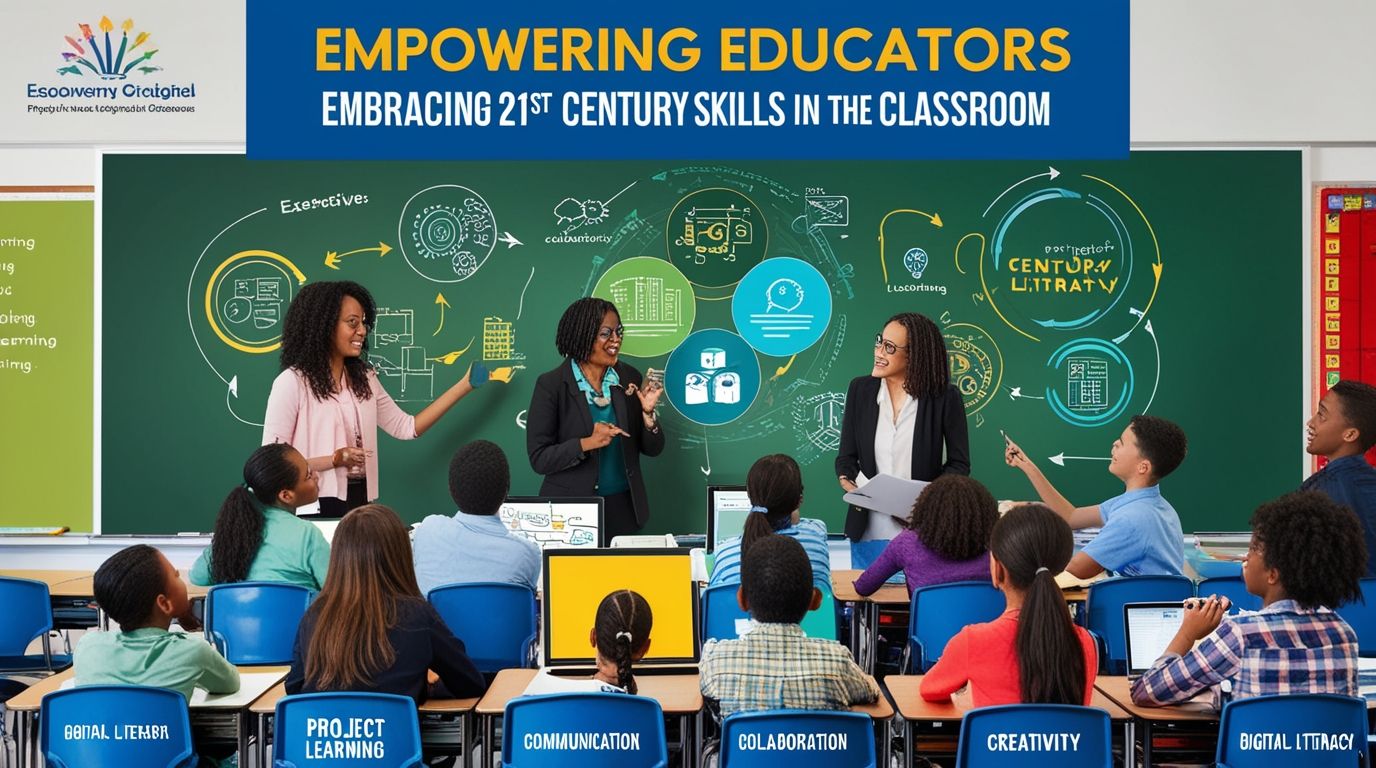
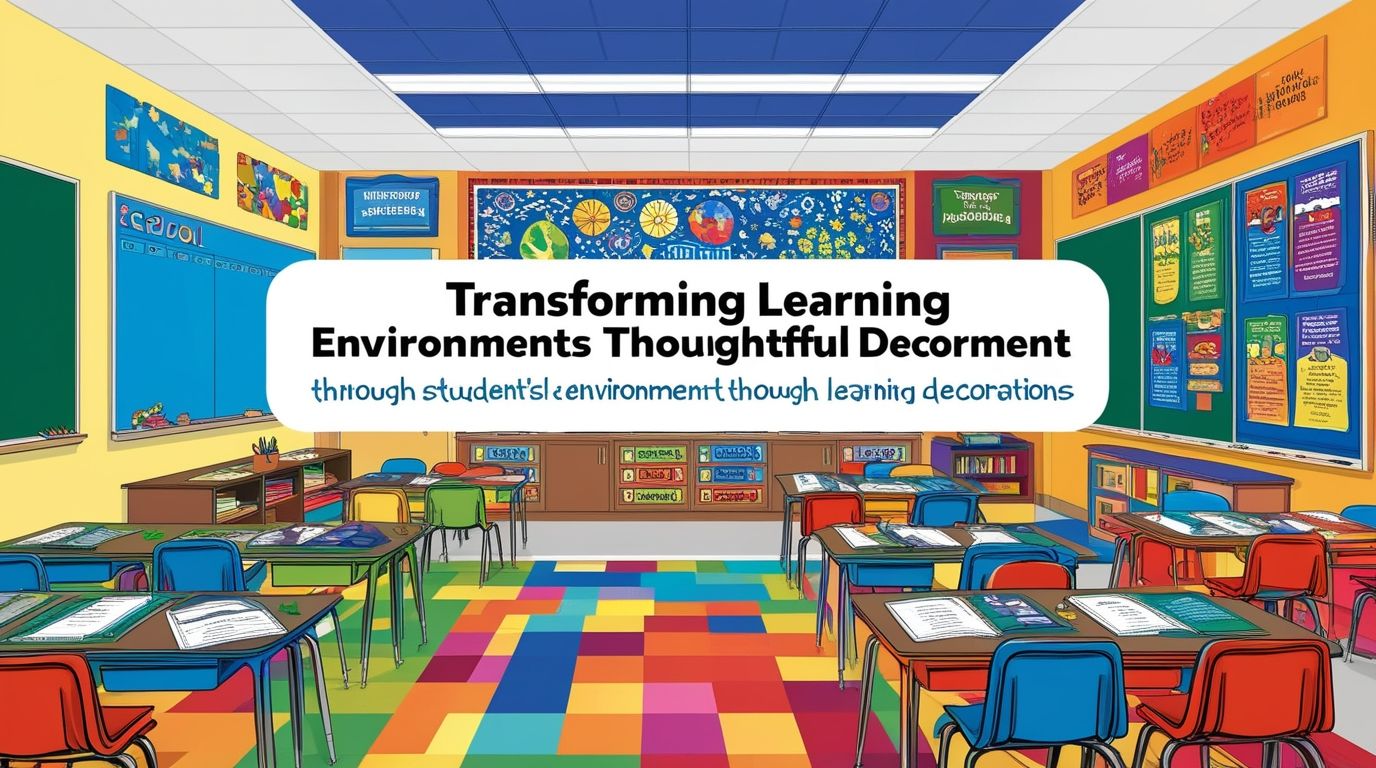
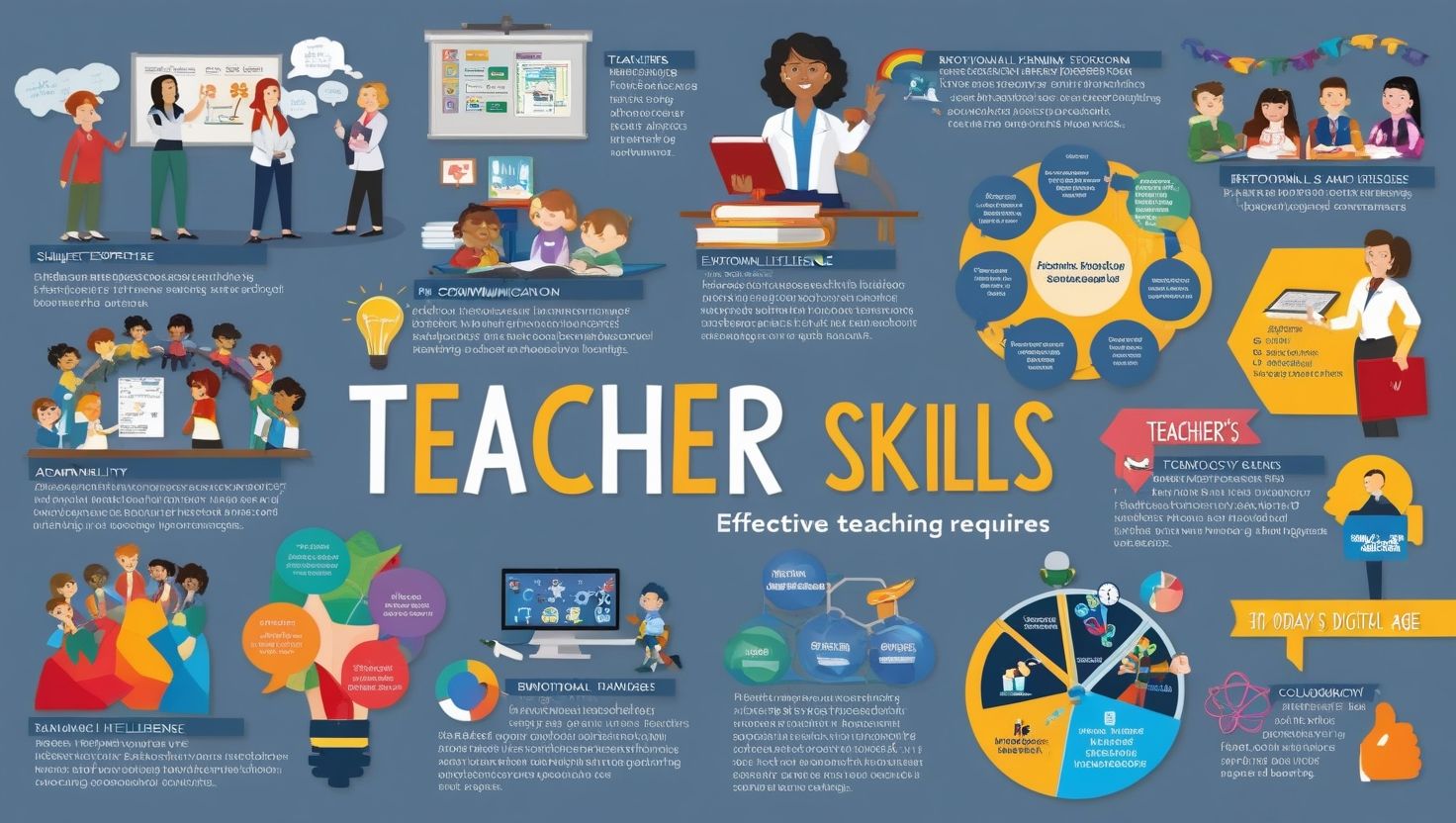
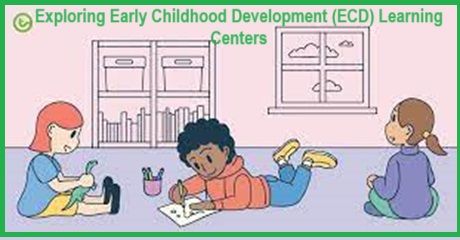
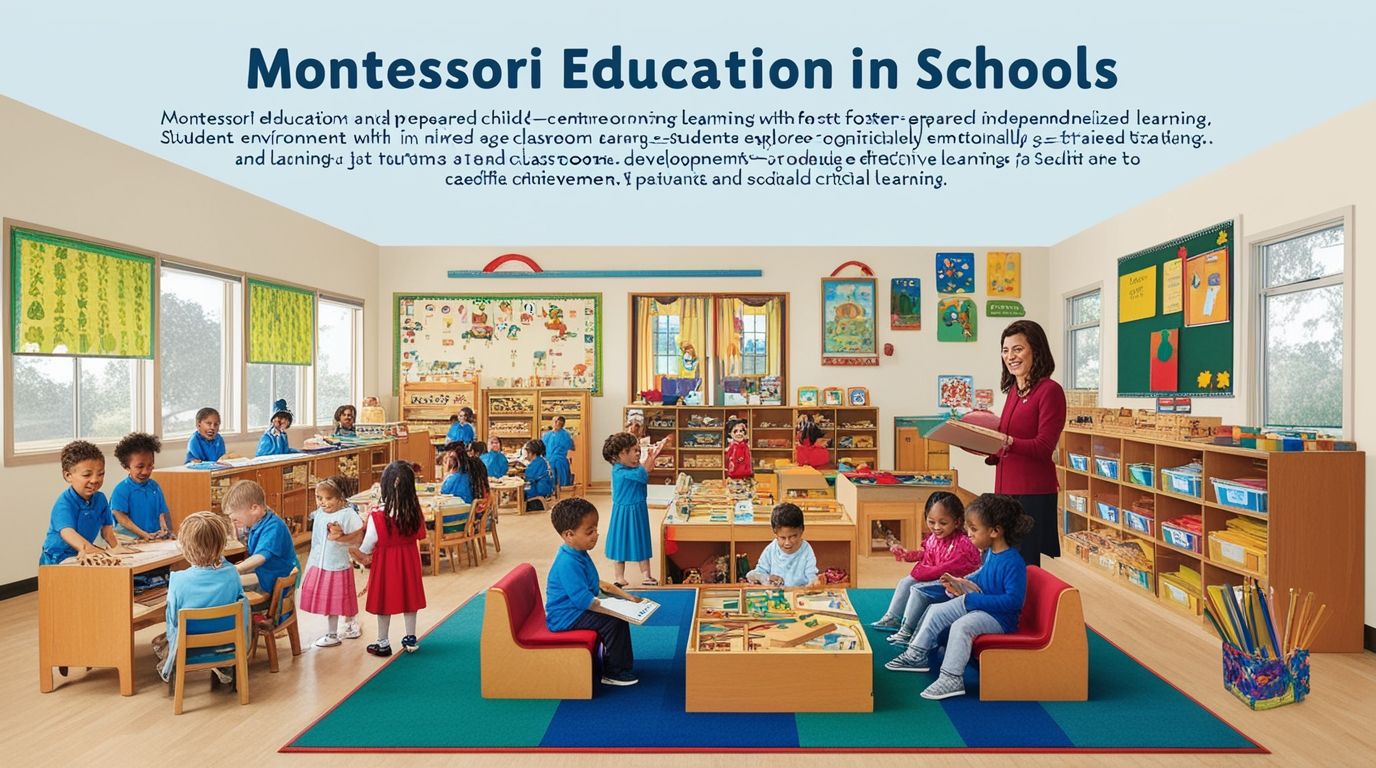
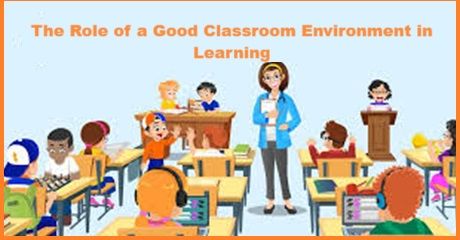
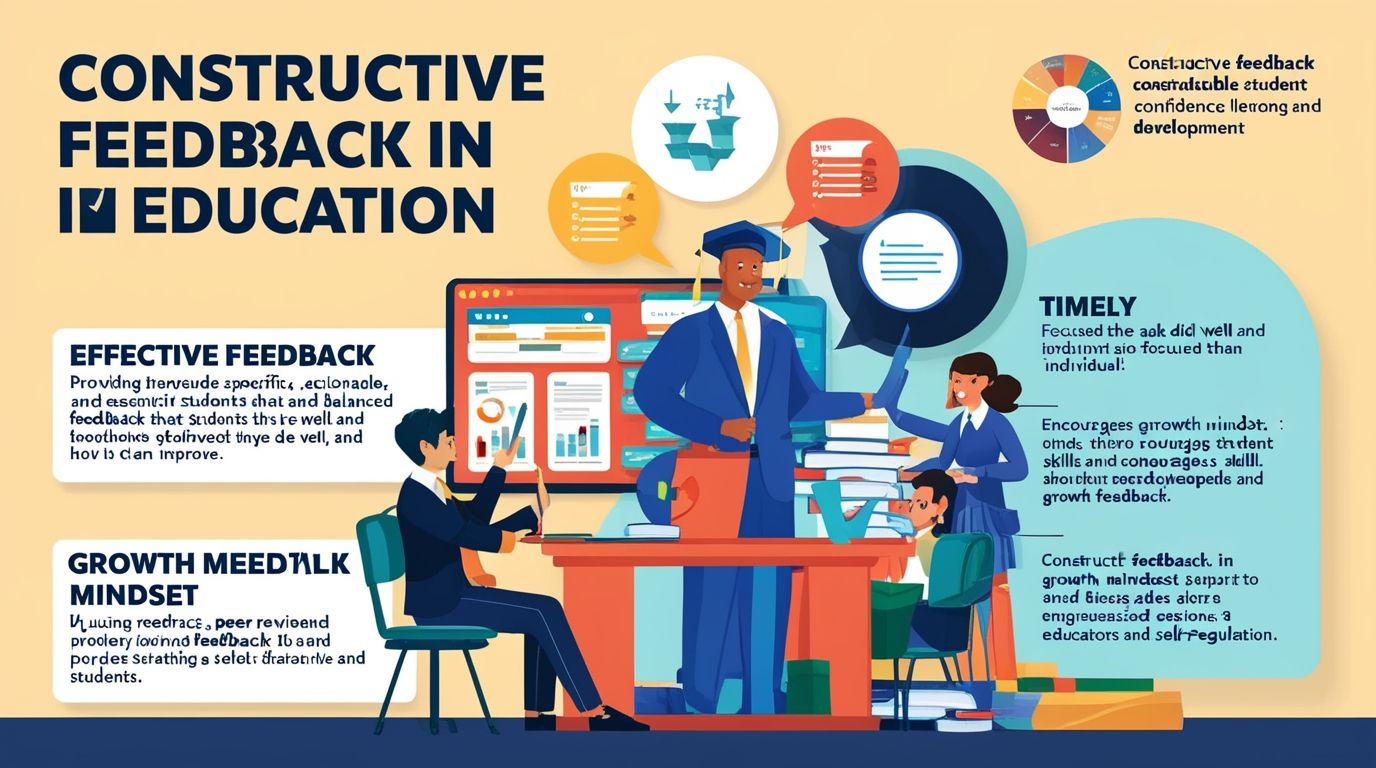
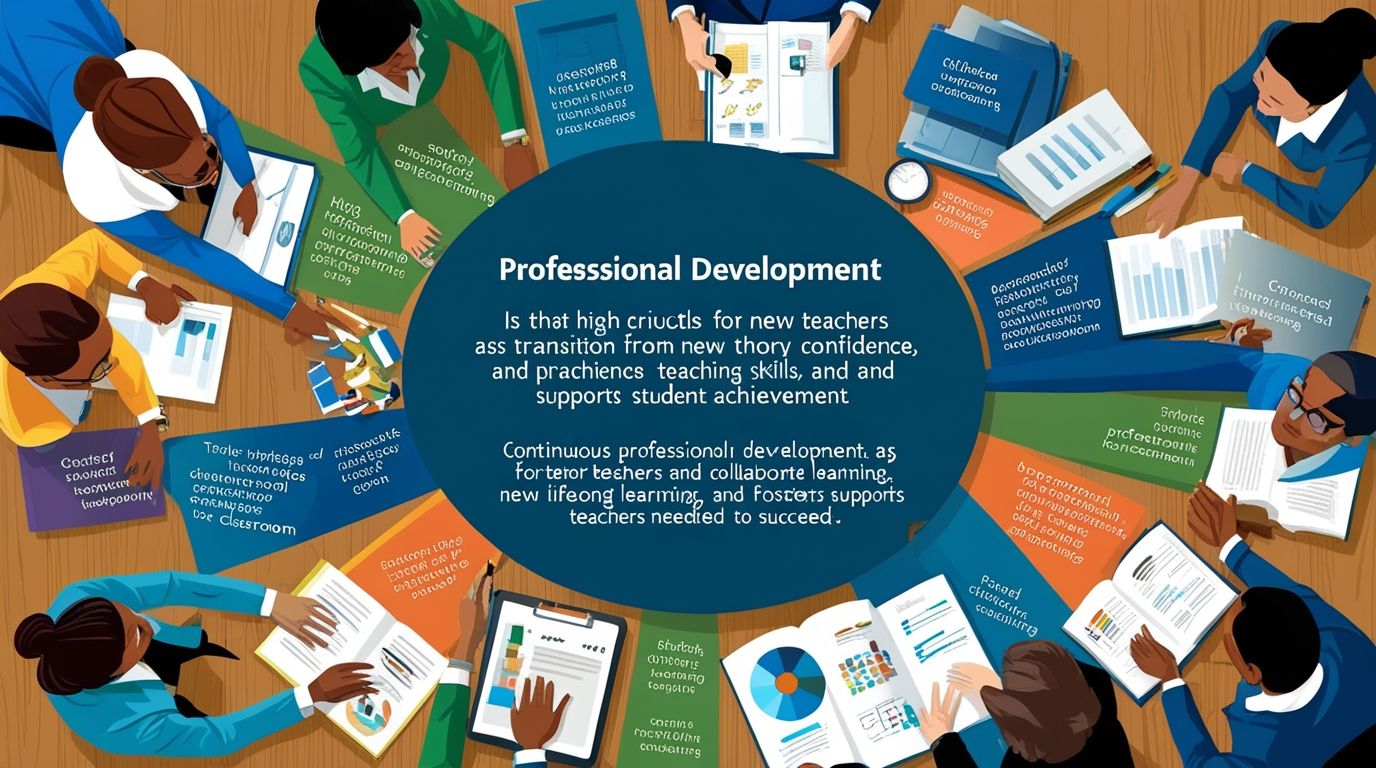
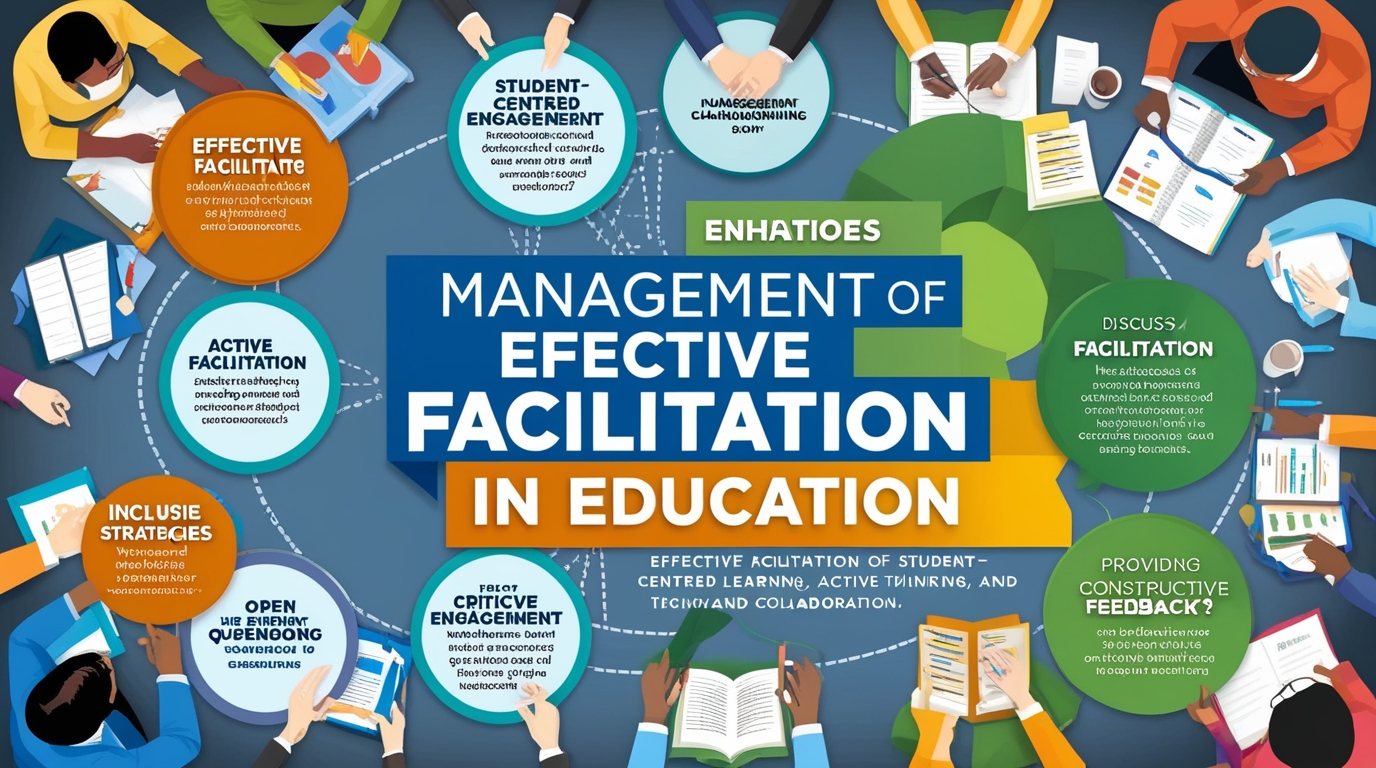
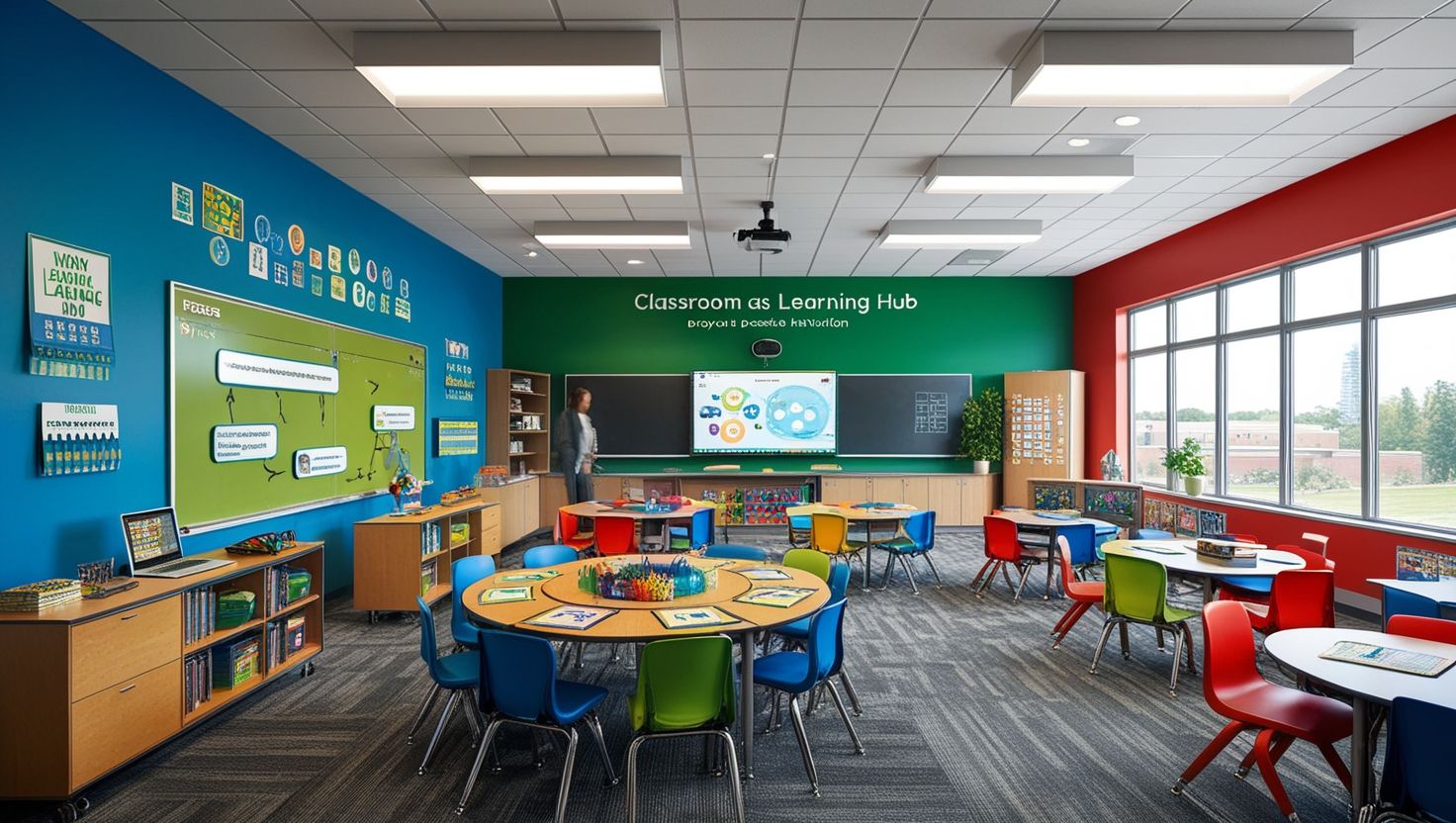
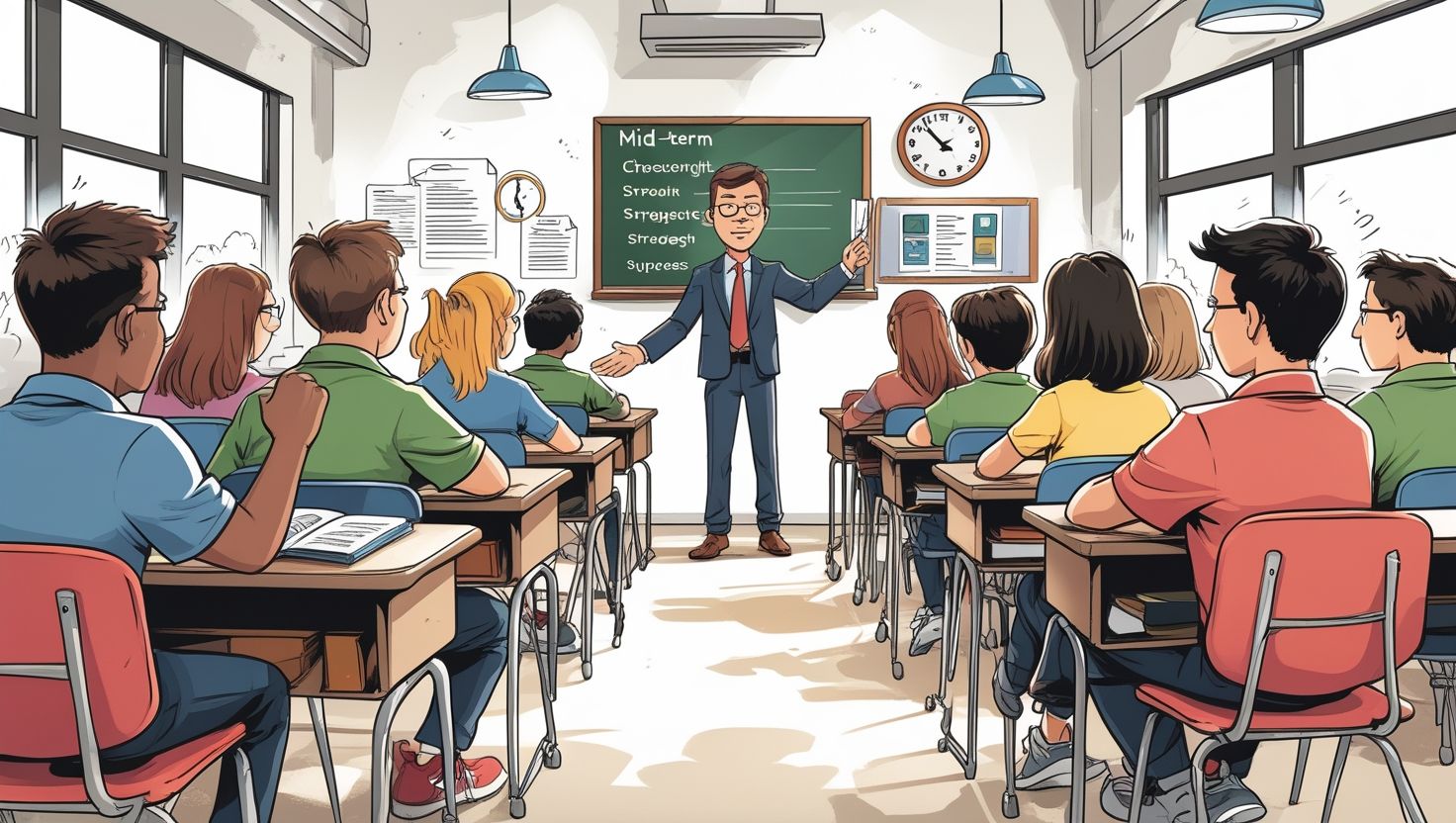
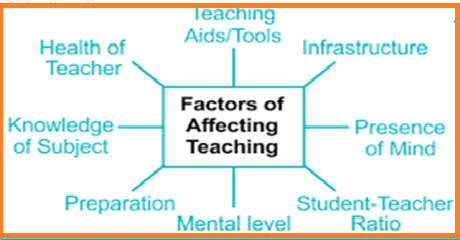
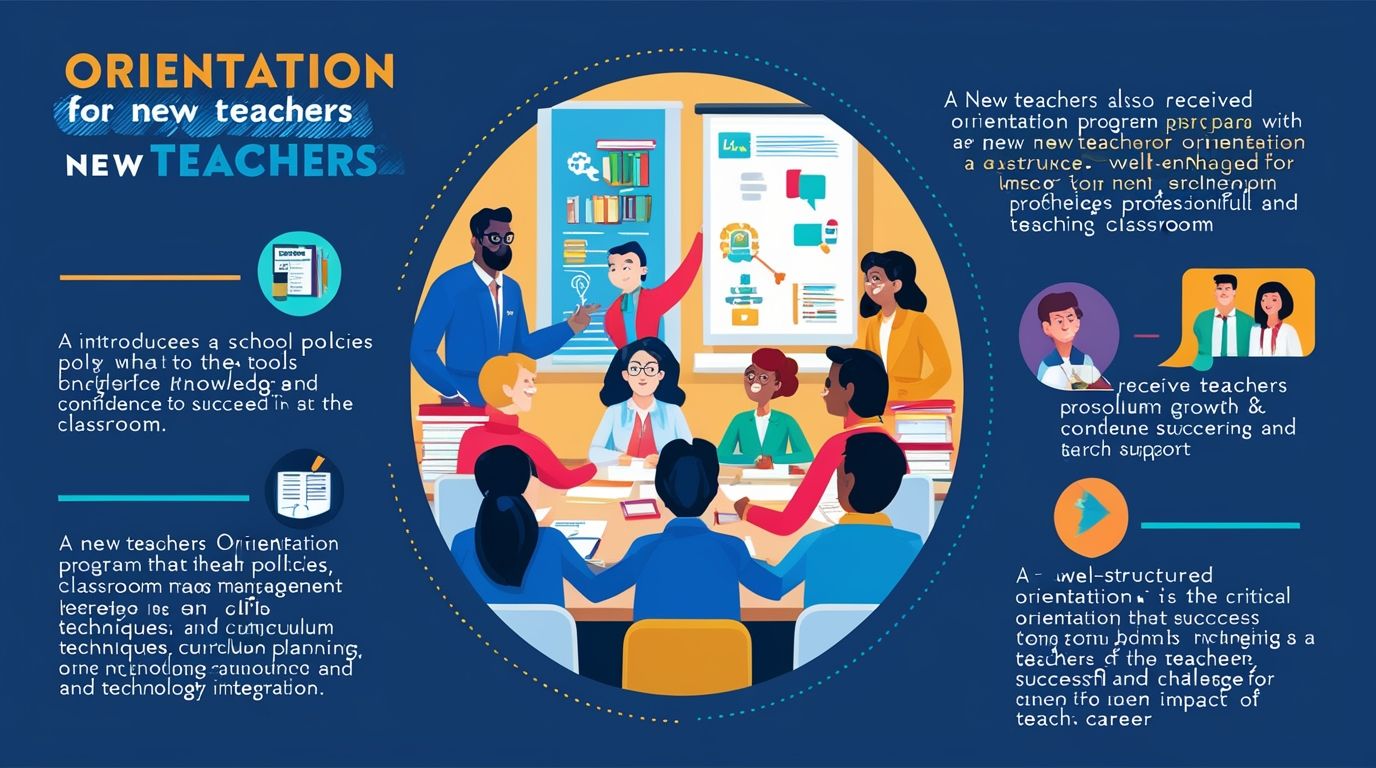
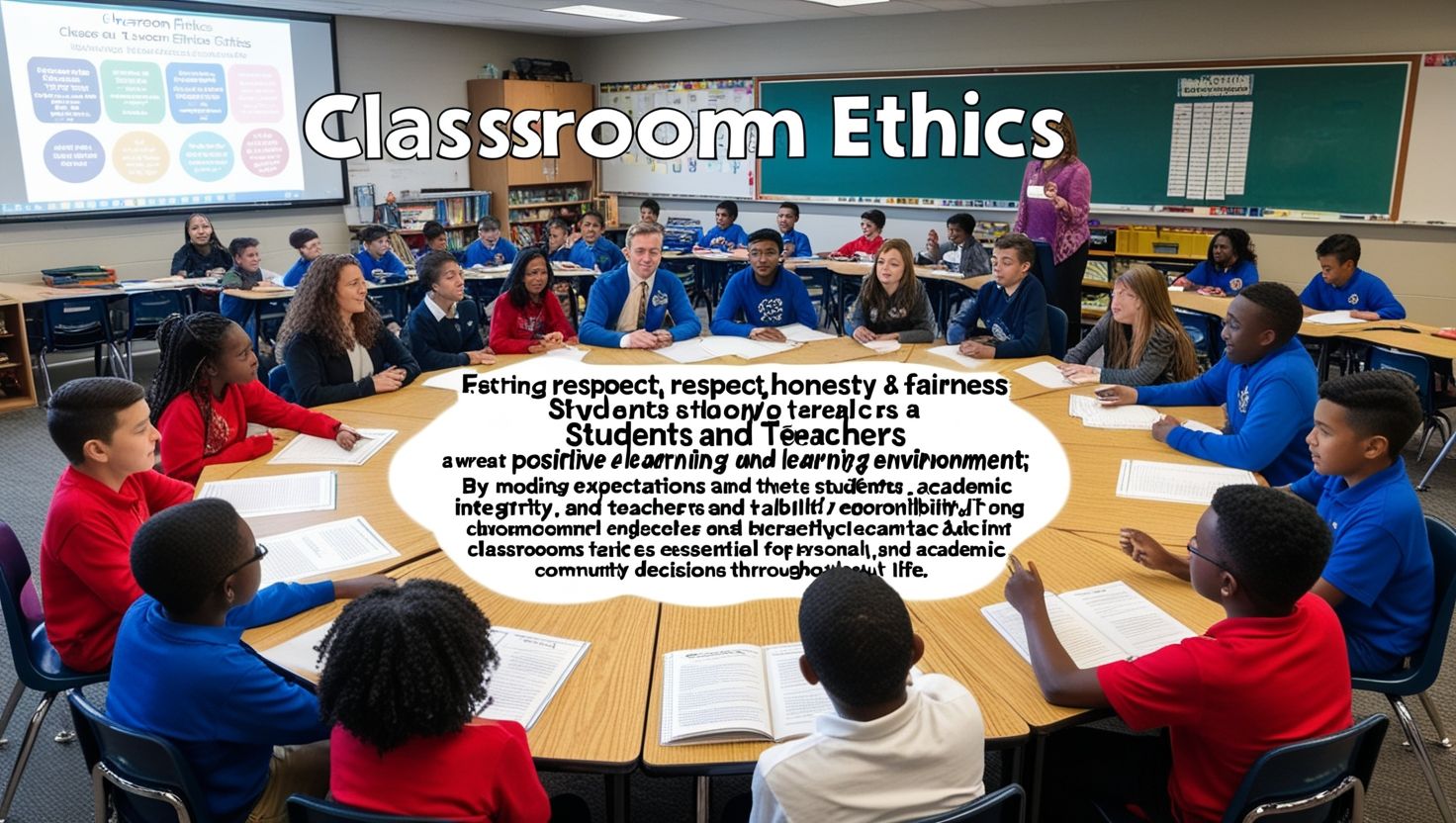
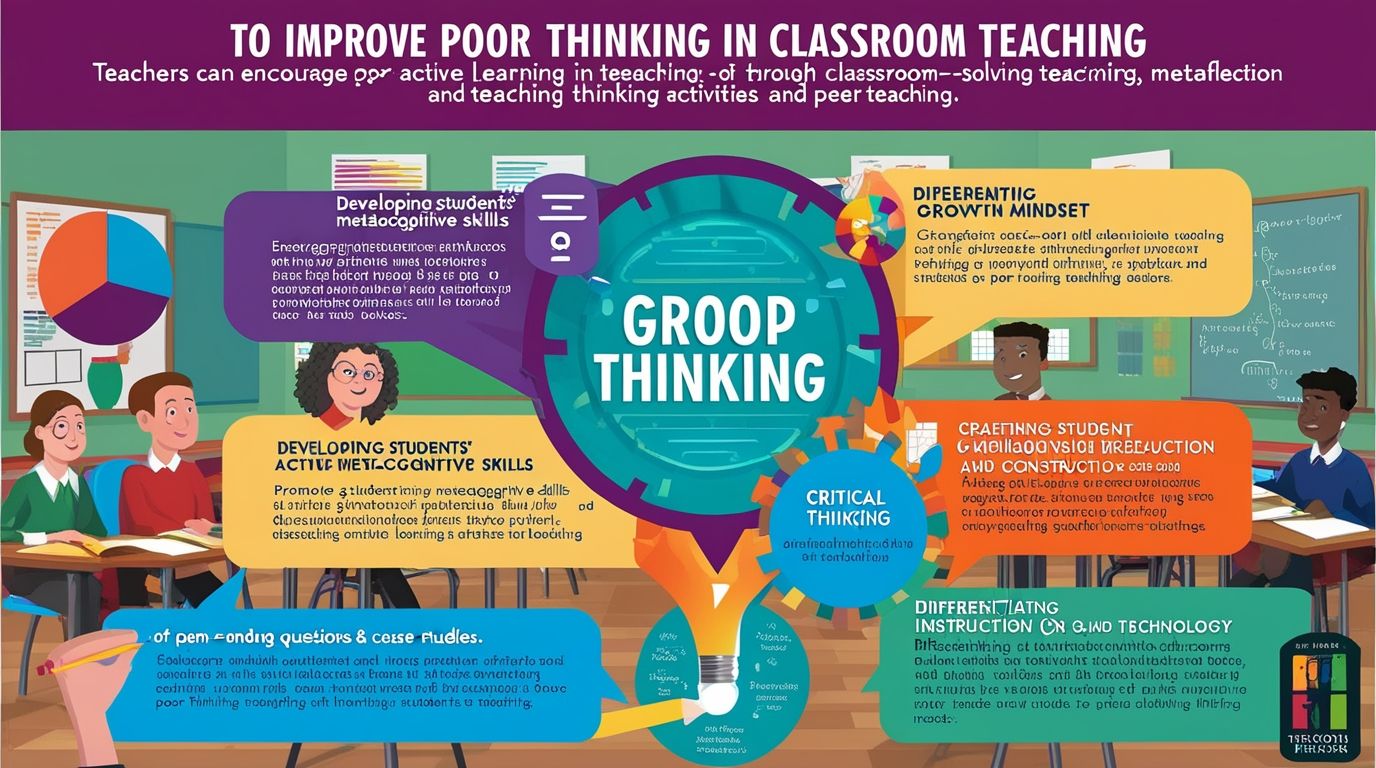
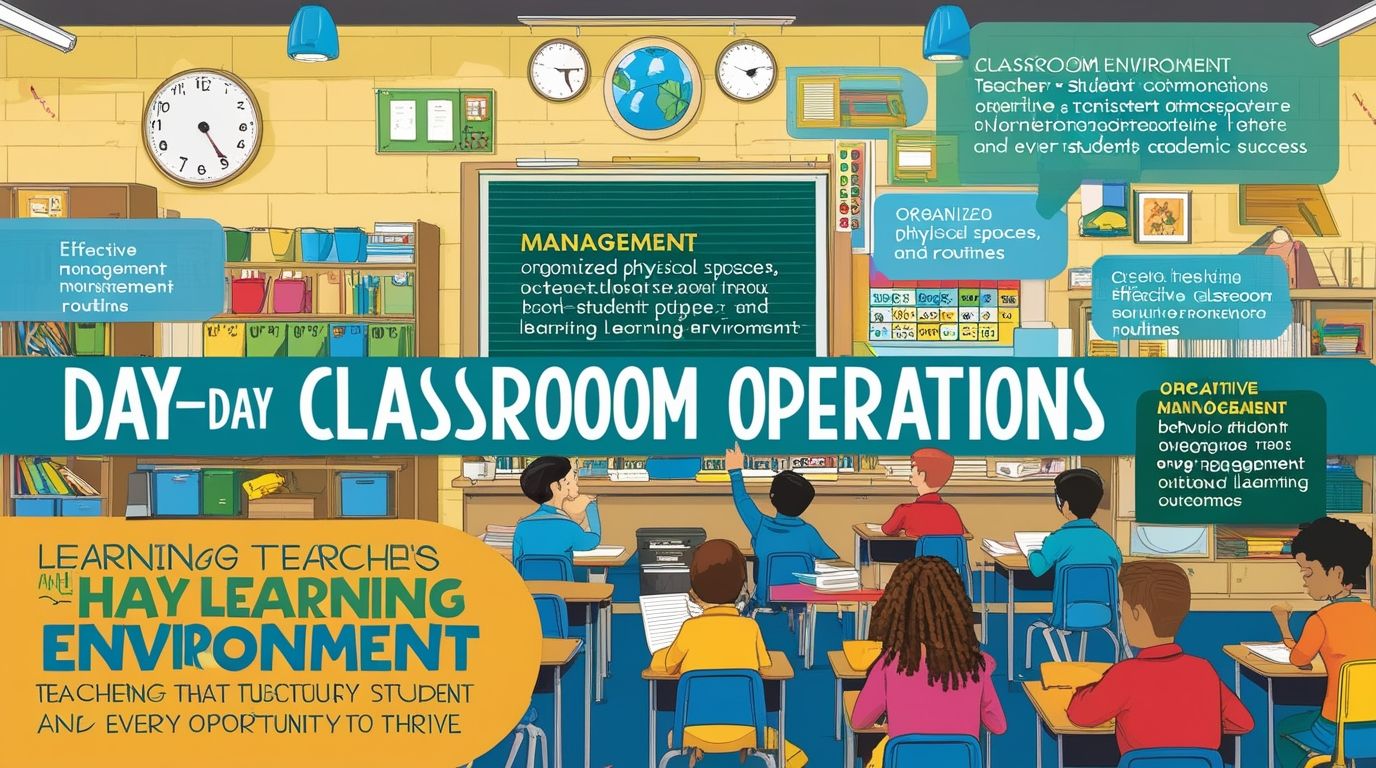
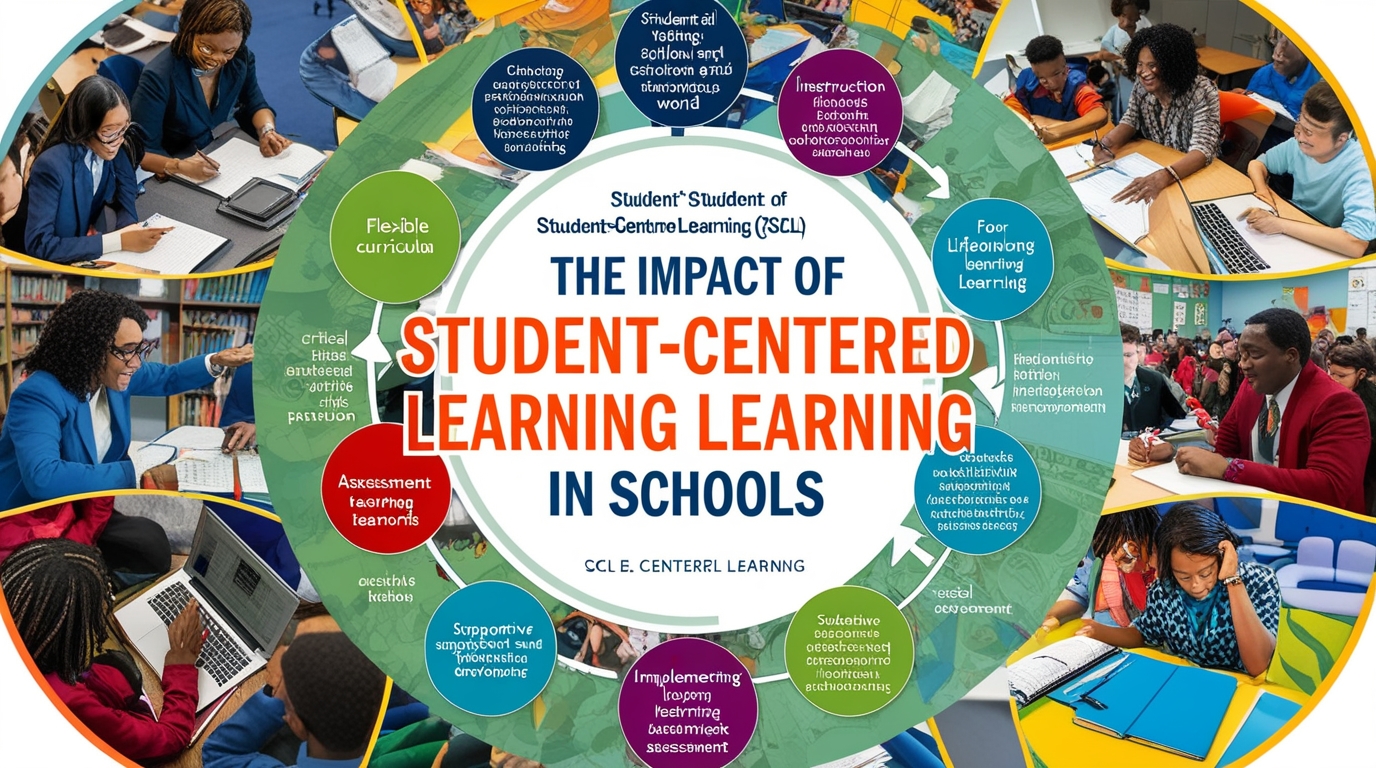
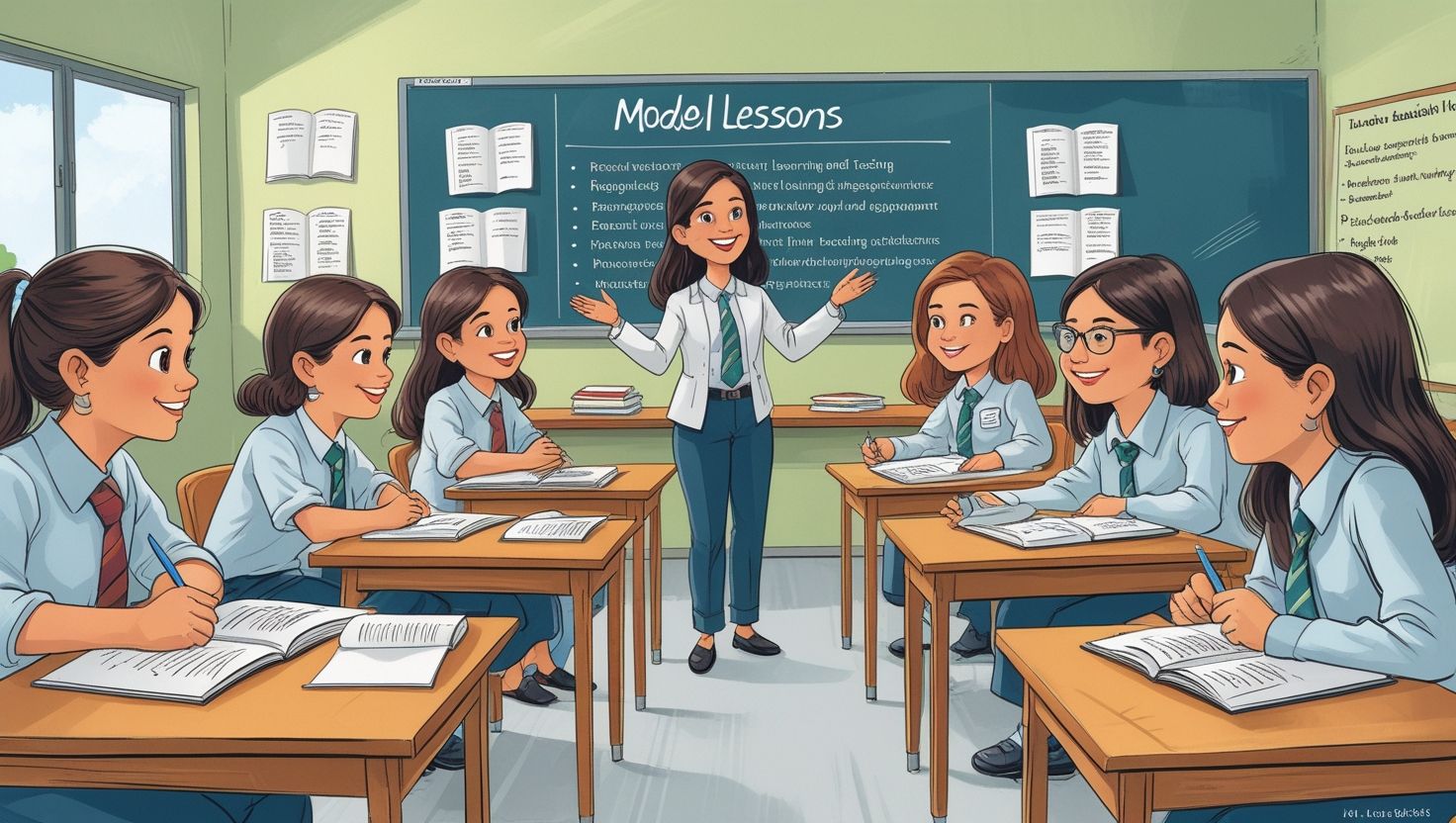
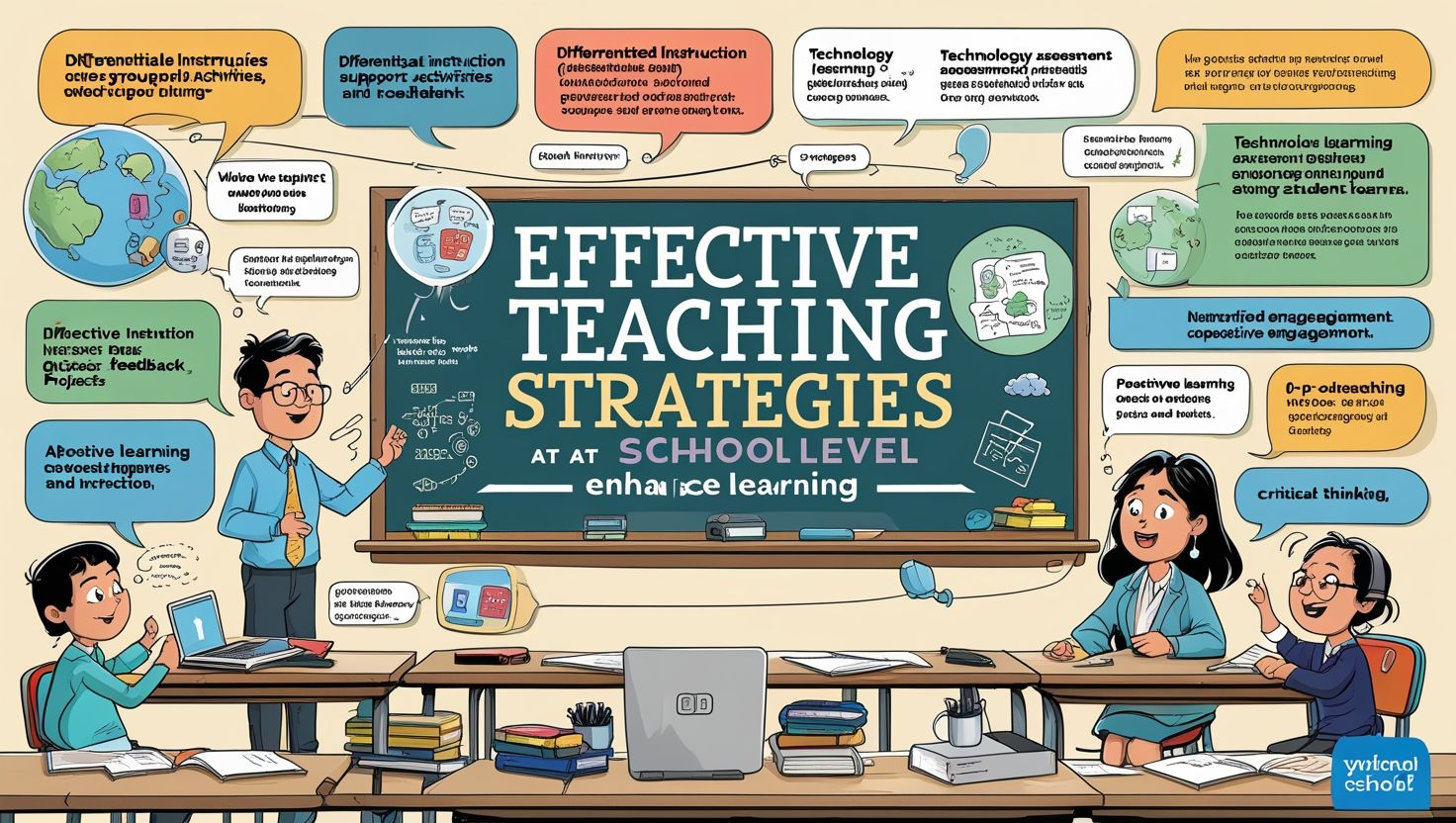
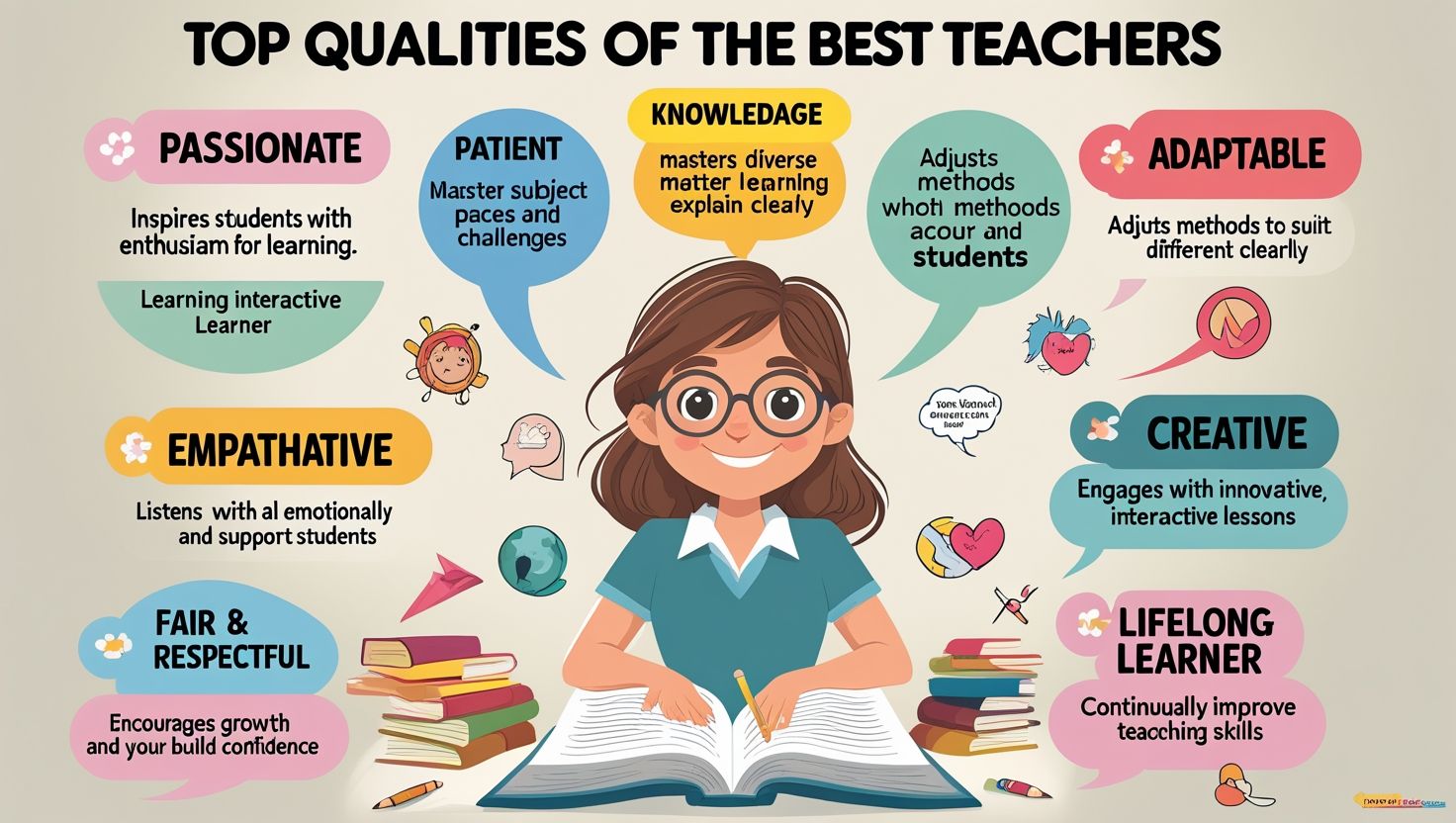
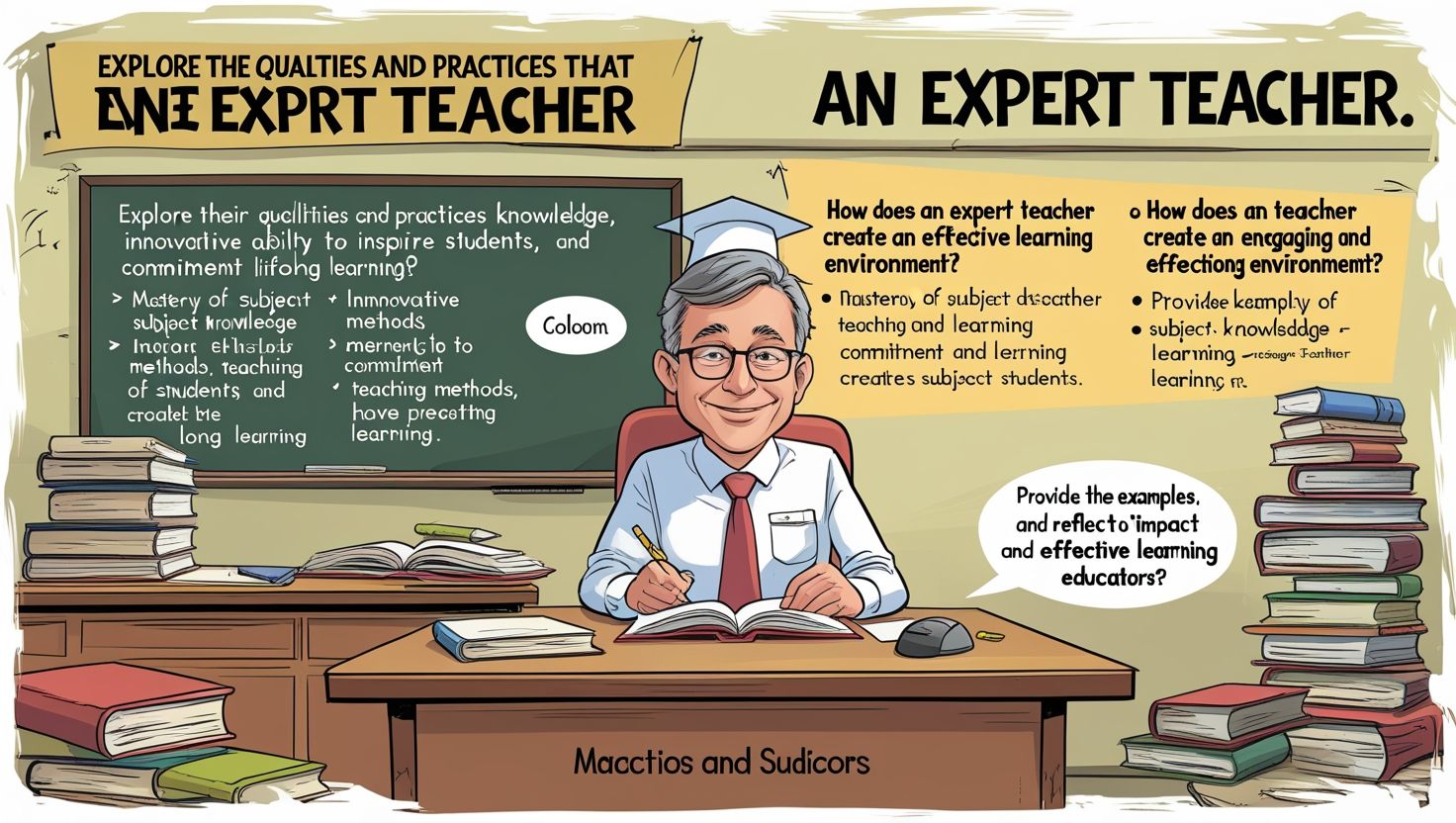
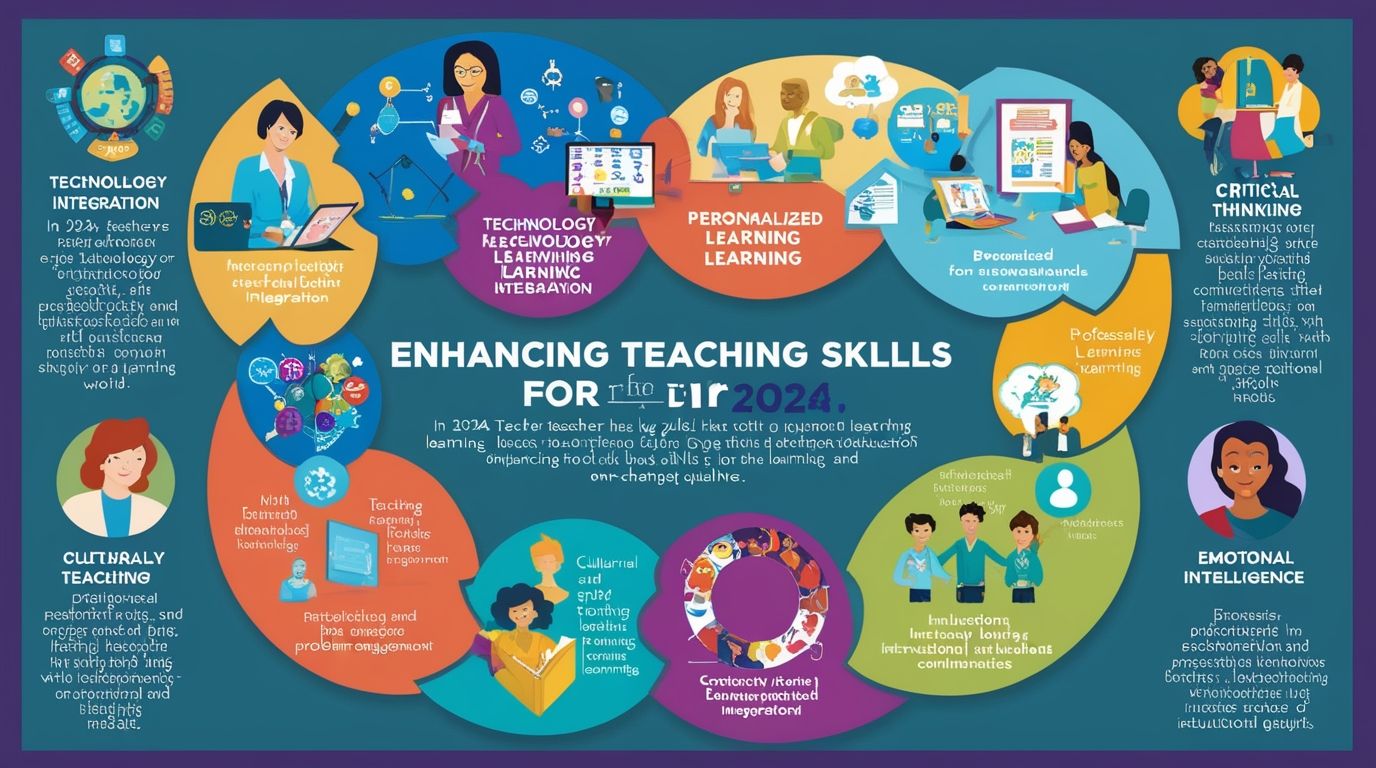
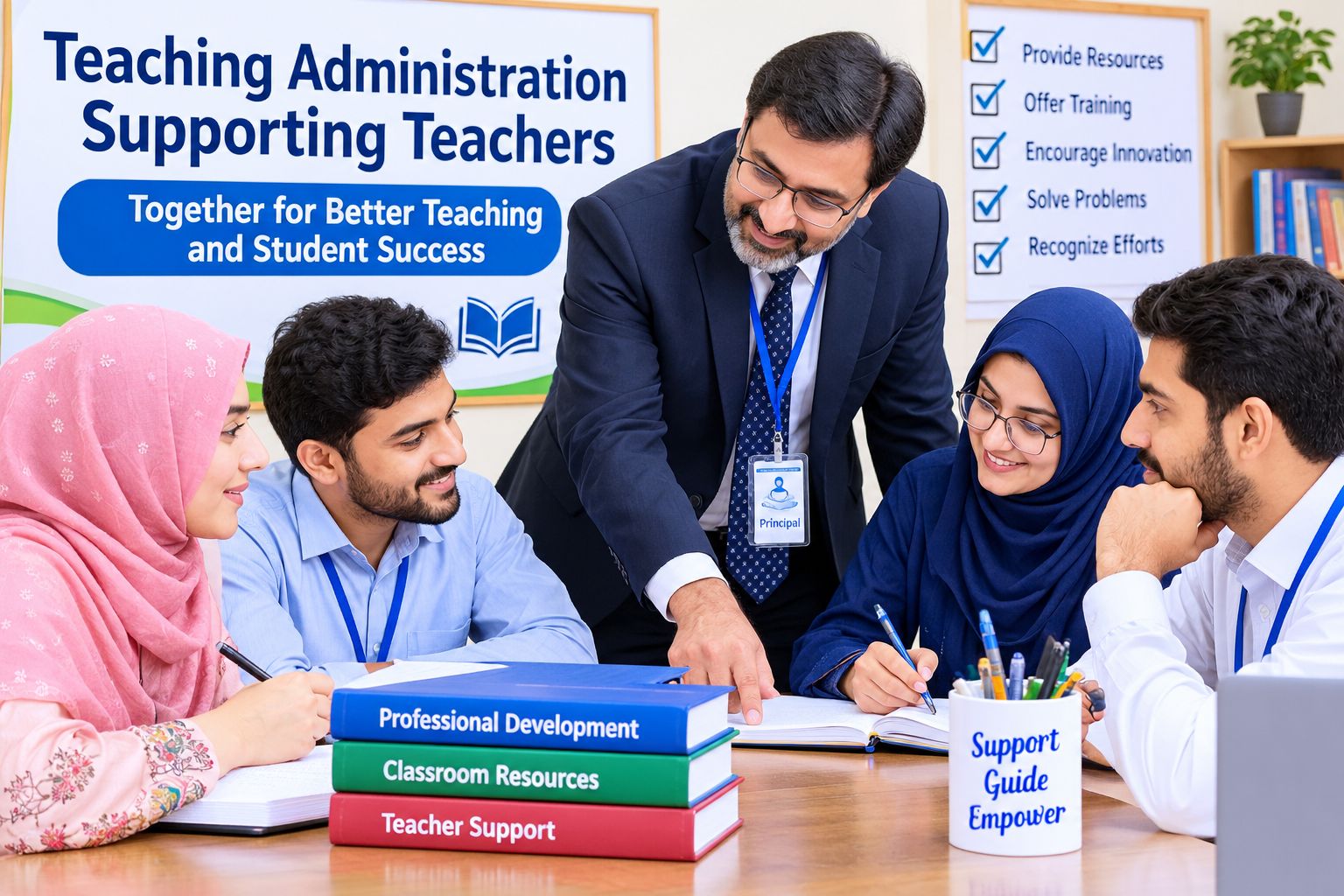
In ECD, teachers are facilitators, mentors, and co-learners who create supportive and engaging environments. They observe children closely and adapt activities to meet individual needs. The classroom is often flexible, with learning centers and interactive materials. In traditional education, teachers are typically authority figures responsible for delivering content and maintaining discipline. Classrooms are more structured, with fixed seating arrangements and limited flexibility. While this structure can support order and efficiency, it may restrict creativity and student agency. Redefining the teacher’s role in traditional systems to include facilitation and mentorship can bridge the gap between the two approaches.
Inclusivity and Equity Considerations
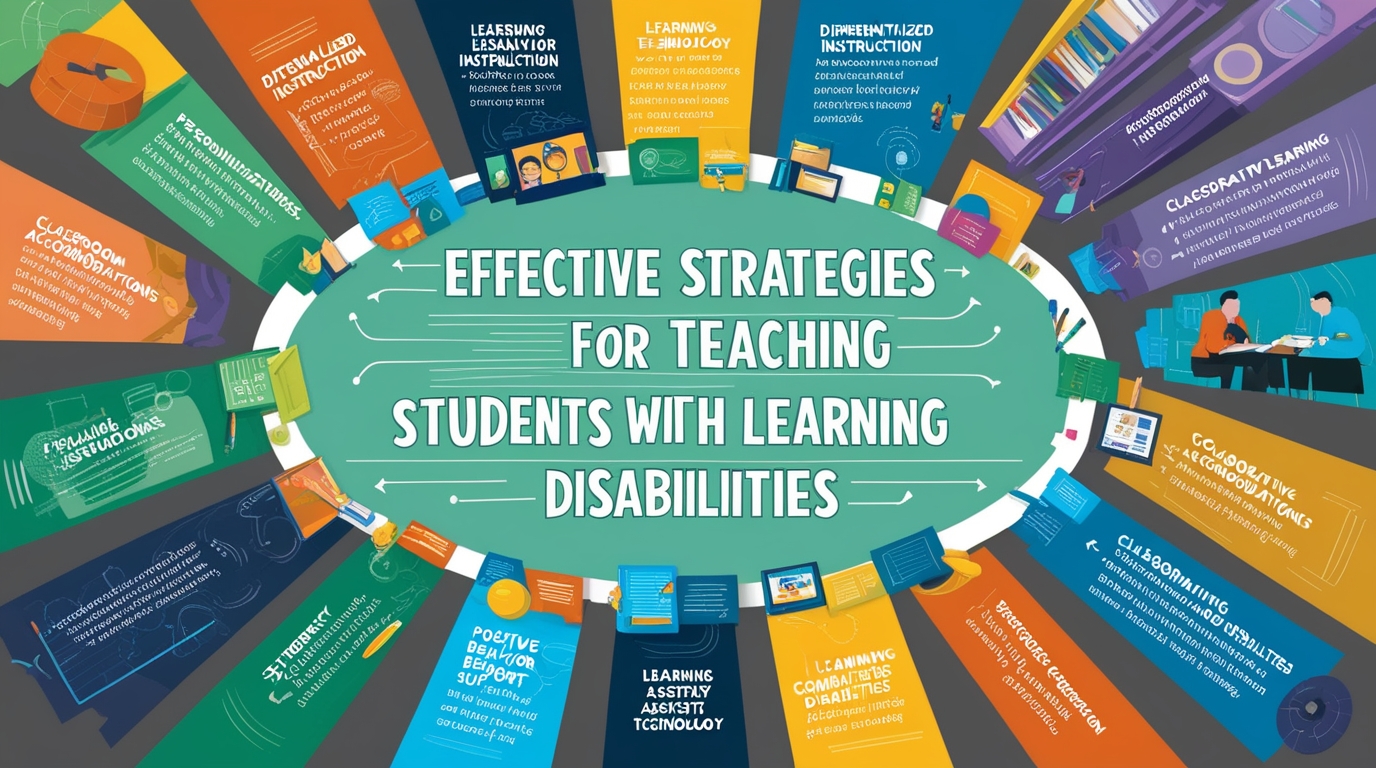
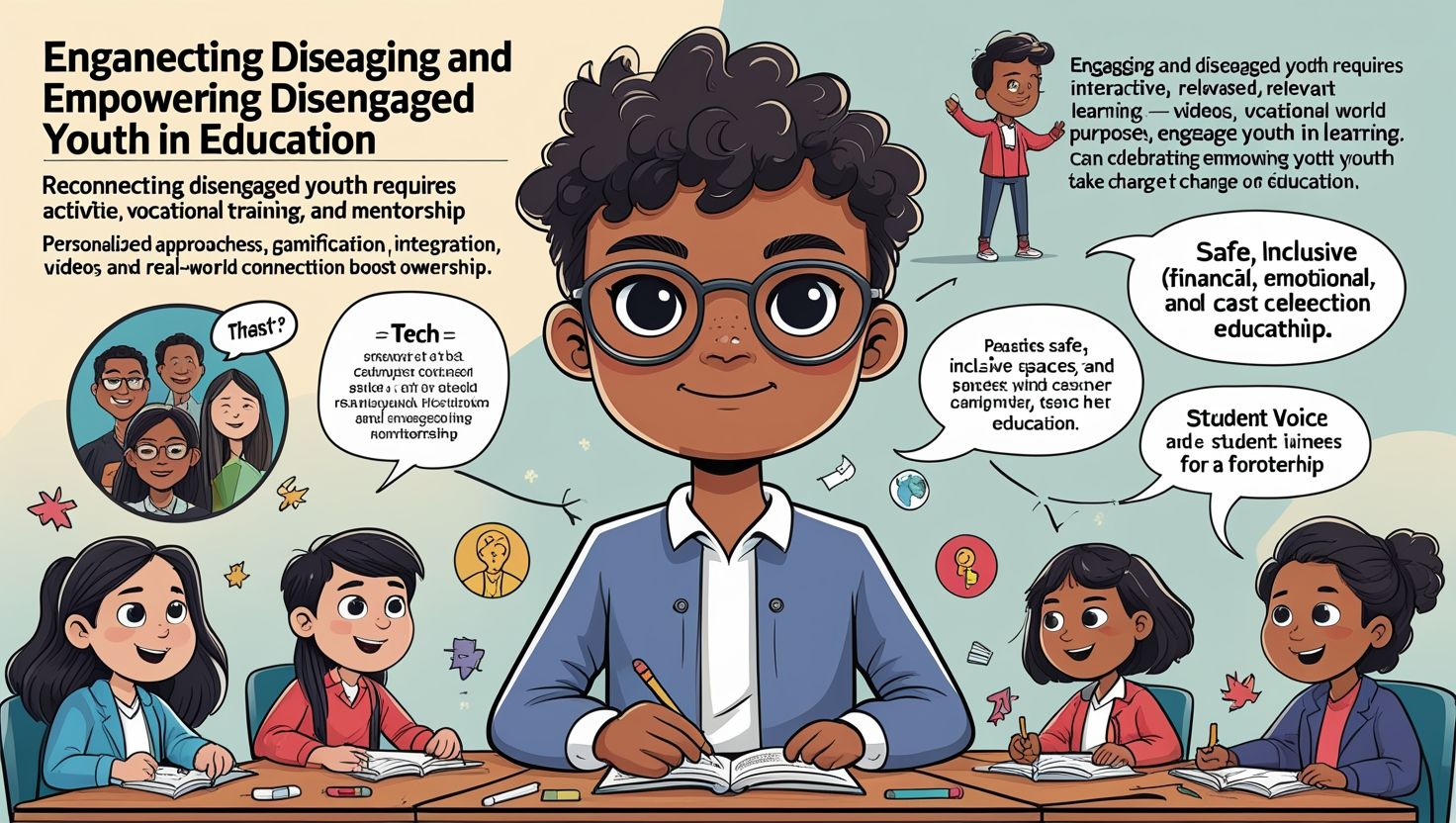
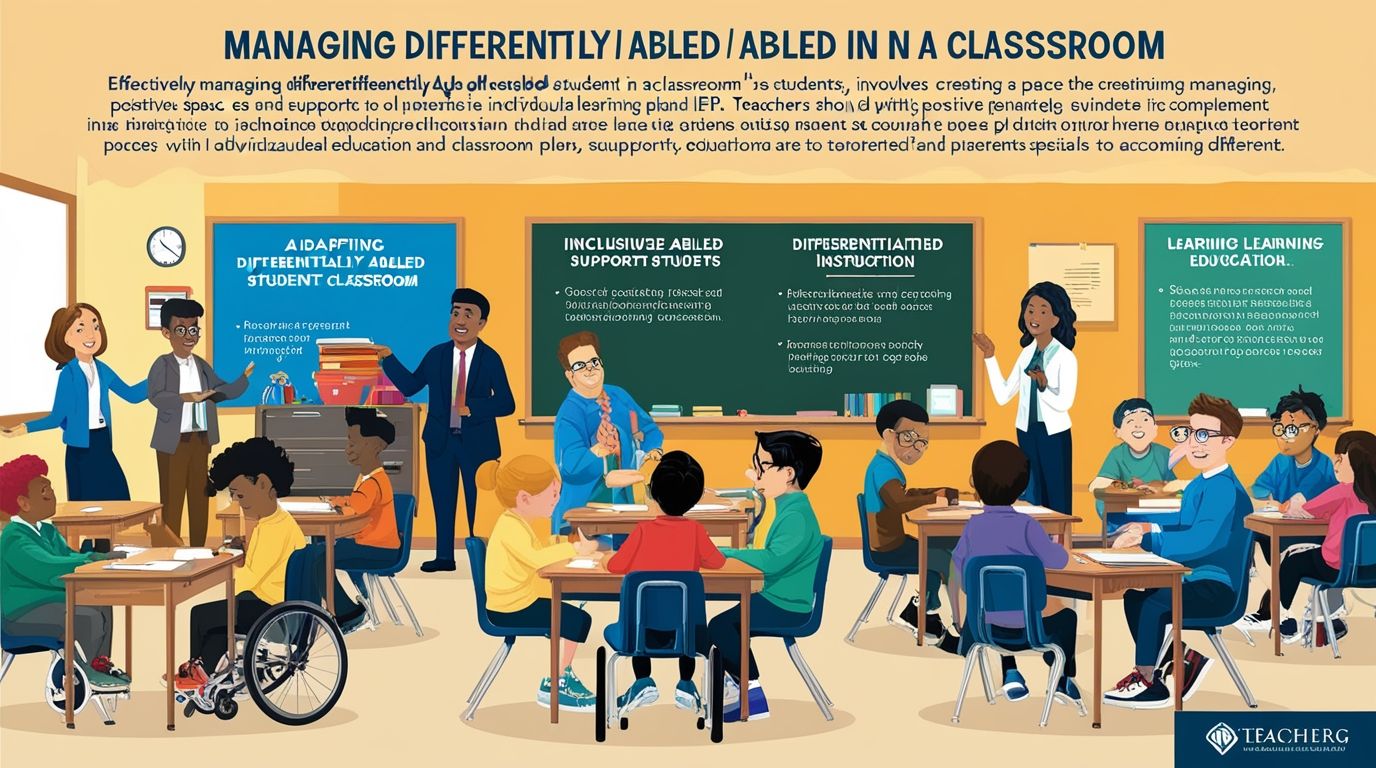
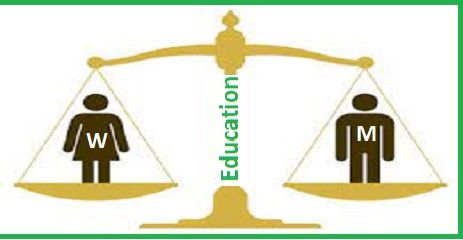
ECD has a strong emphasis on inclusivity, recognizing that early intervention can address developmental delays and reduce educational inequalities. Programs often incorporate strategies for children with diverse needs, including those with disabilities. Traditional education systems, while striving for inclusivity, may face challenges due to rigid curricula and large class sizes. Equity in education requires adapting teaching methods and resources to accommodate all learners. Integrating ECD principles into mainstream education can promote inclusivity and ensure that no child is left behind.
Parental and Community Involvement
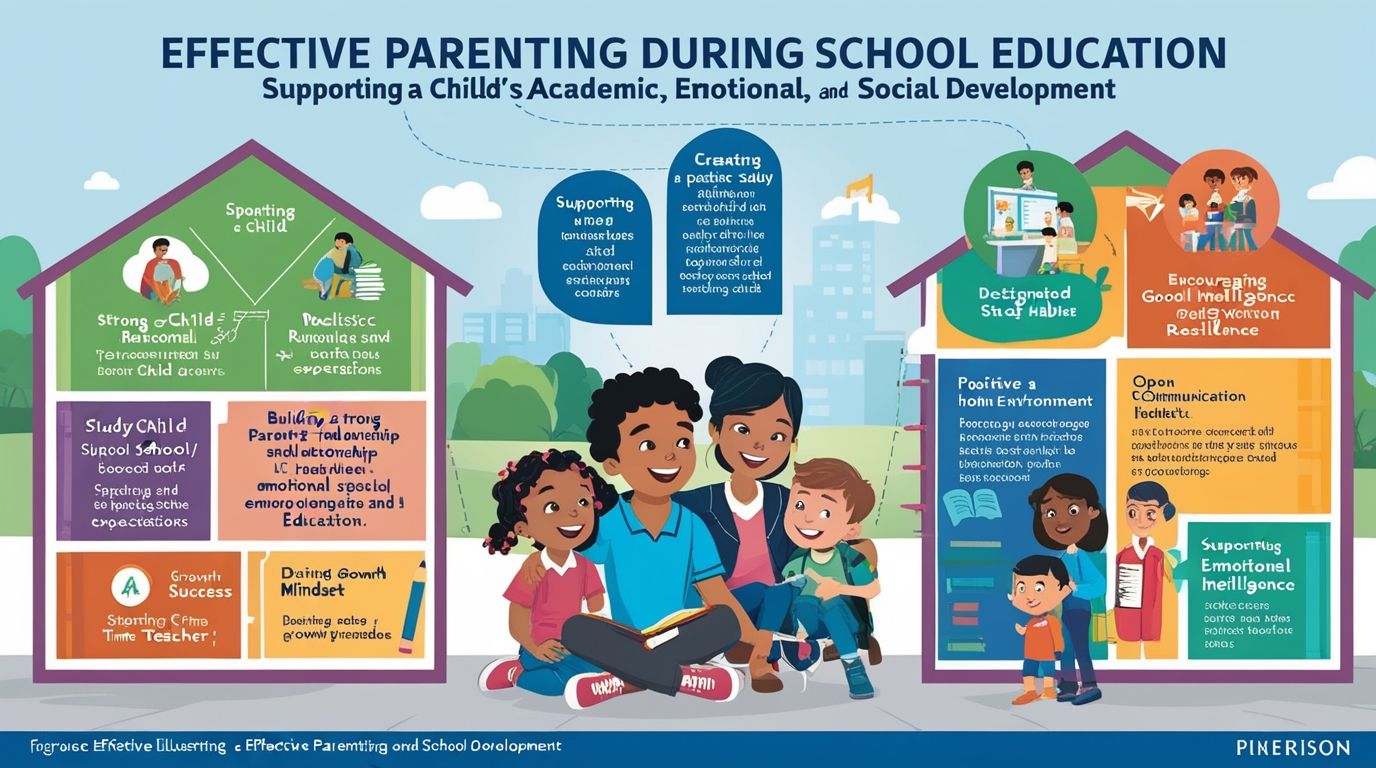
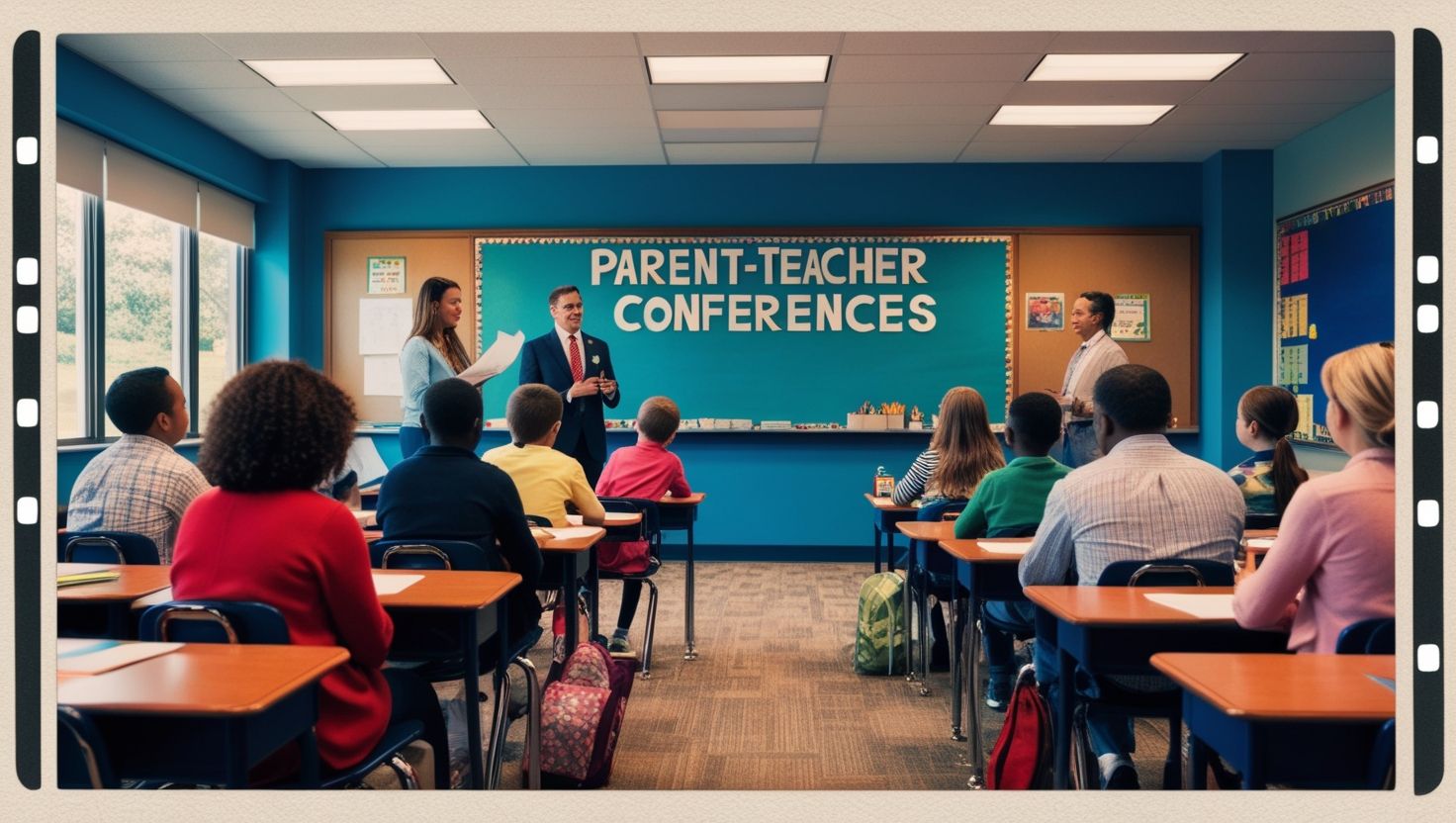
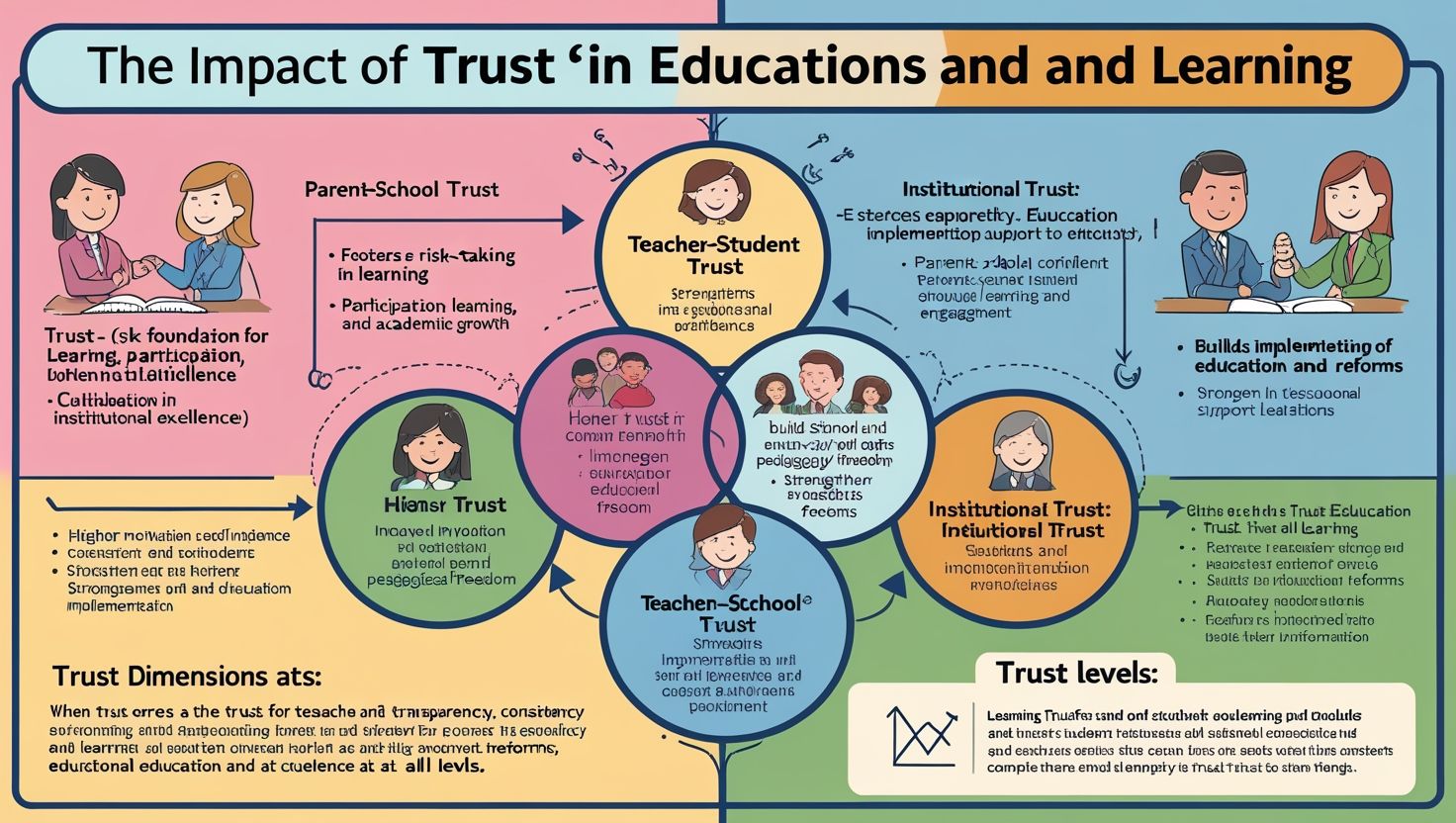
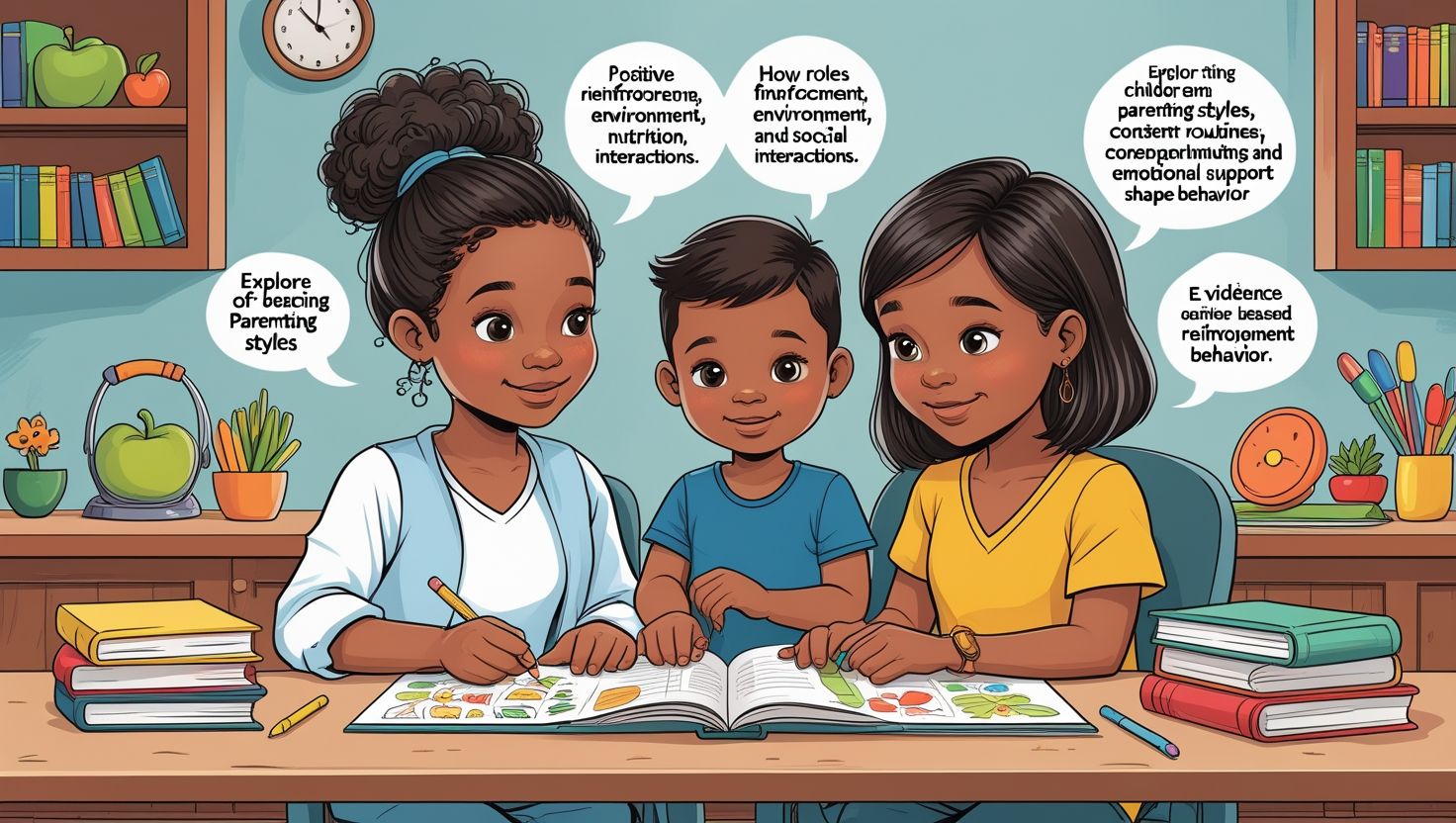
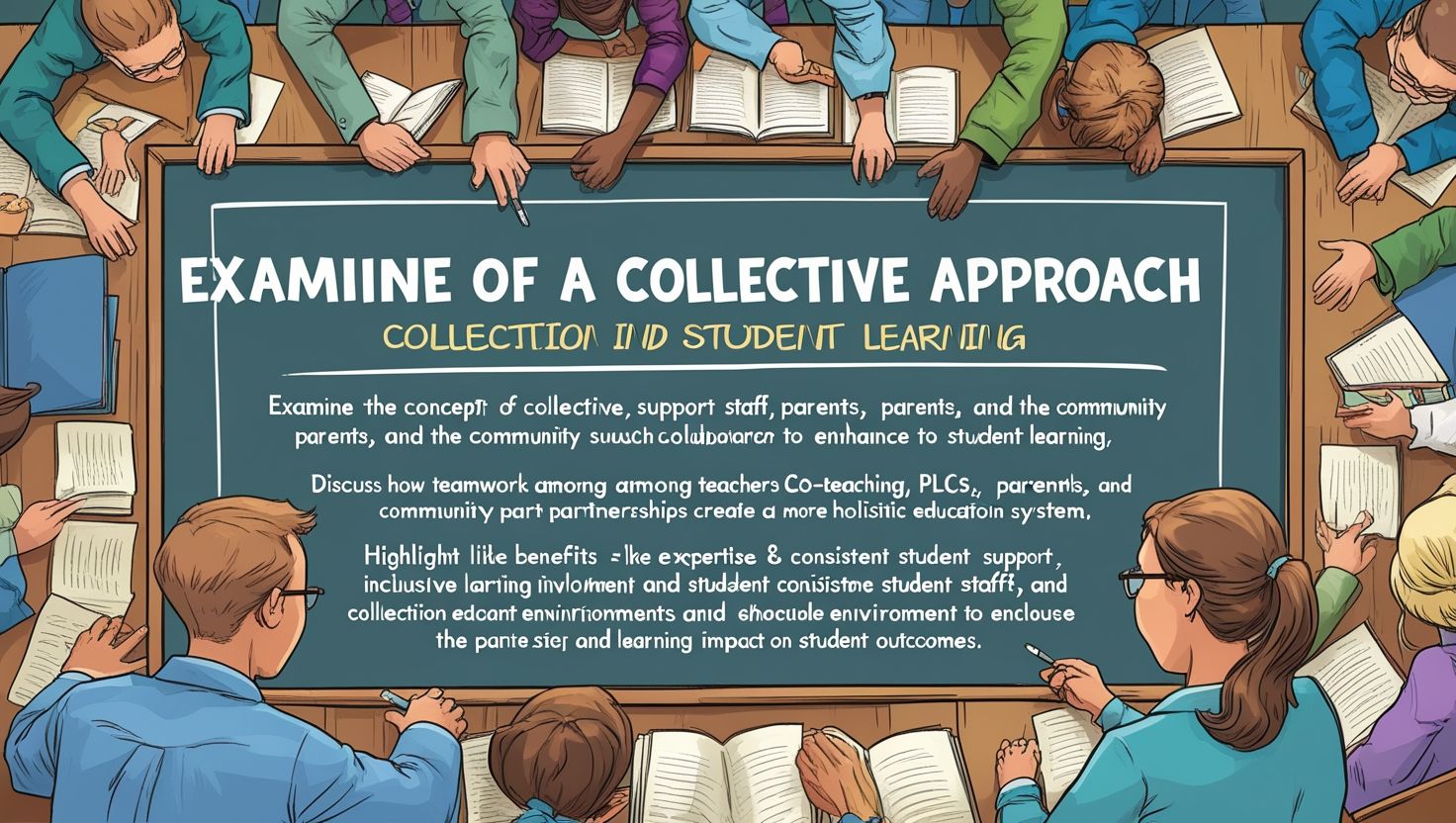
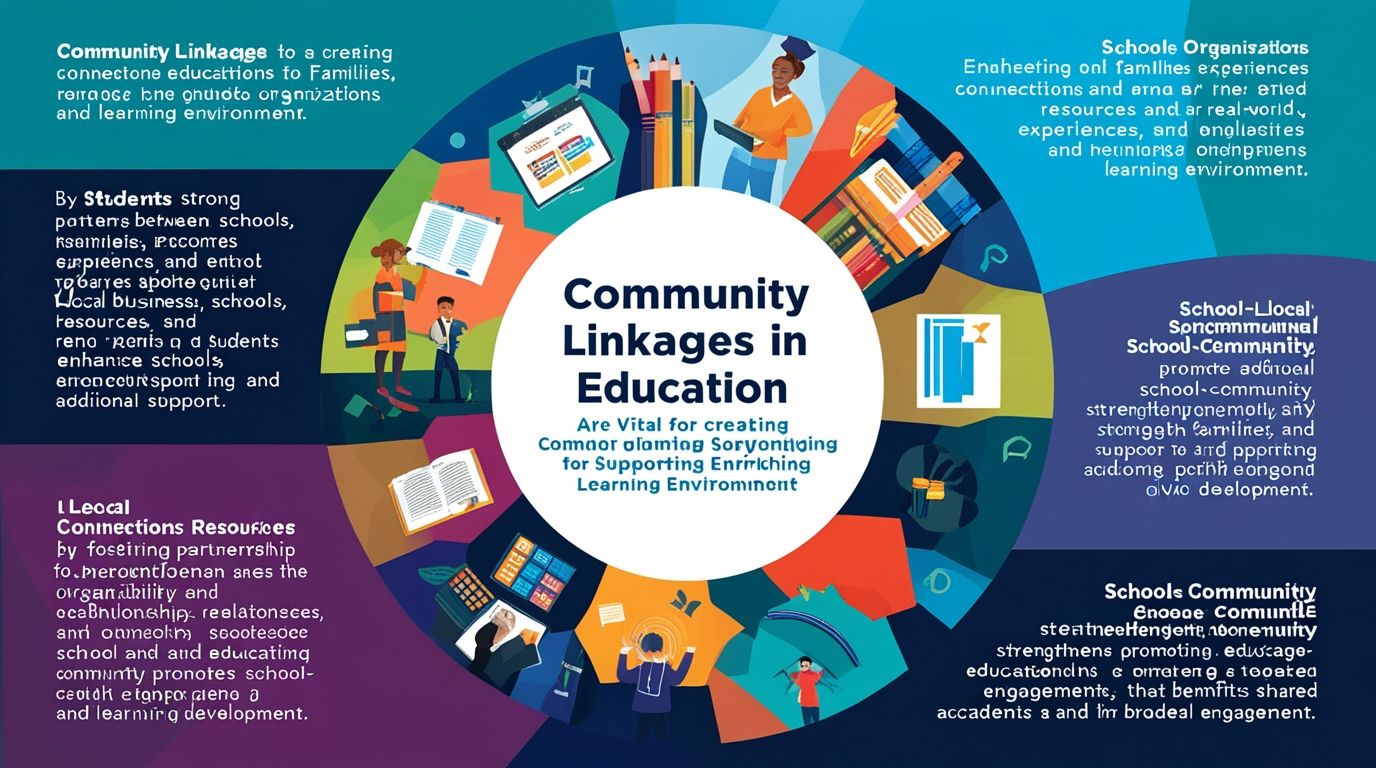
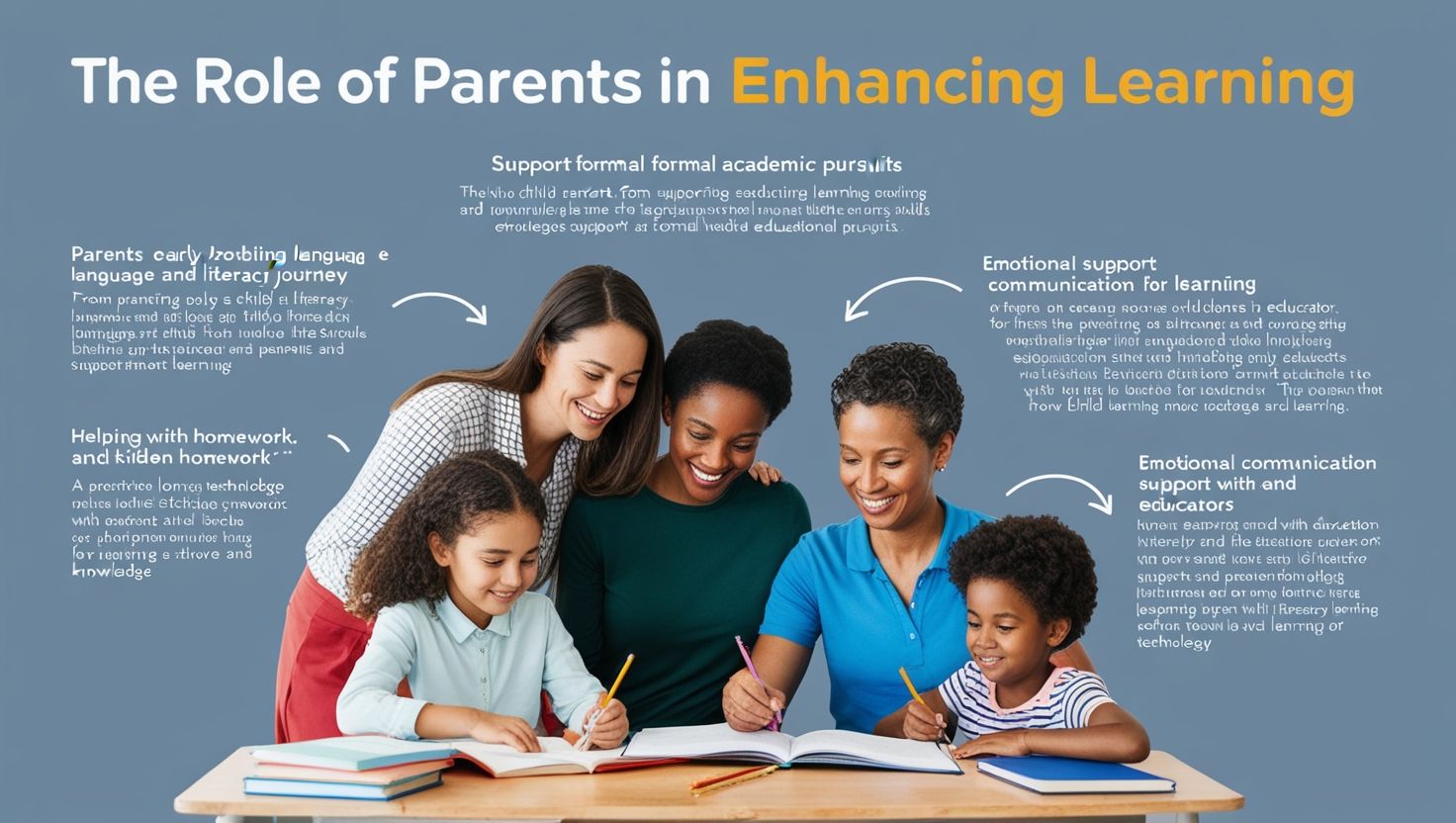
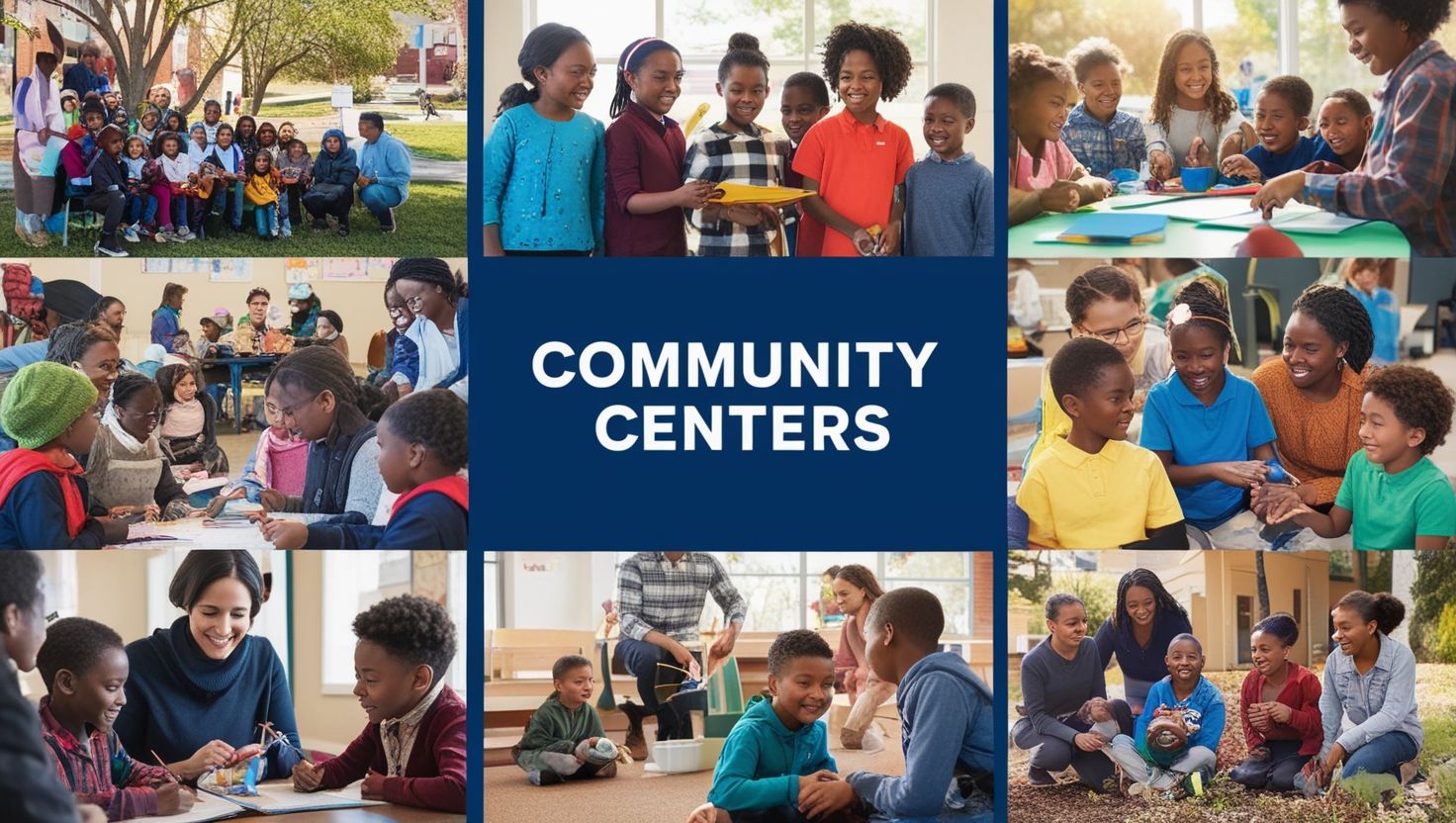
Parental engagement is a cornerstone of ECD, where families are considered partners in the learning process. Activities often extend beyond the classroom, encouraging parents to support development at home. Community resources are also leveraged to enrich learning experiences. In traditional education, parental involvement is often limited to monitoring academic performance and attending meetings. Strengthening the connection between schools, families, and communities can enhance learning outcomes and create a more supportive educational ecosystem.
Challenges and Limitations
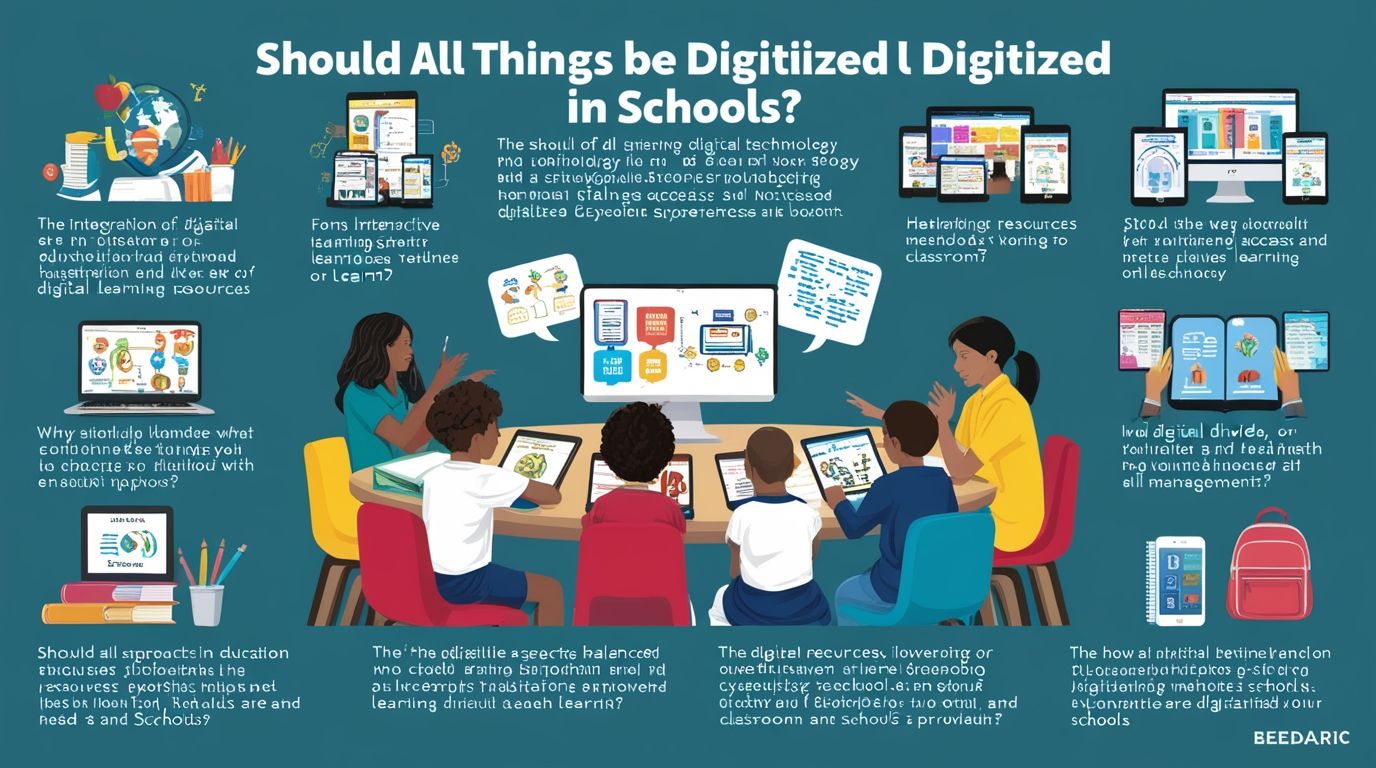
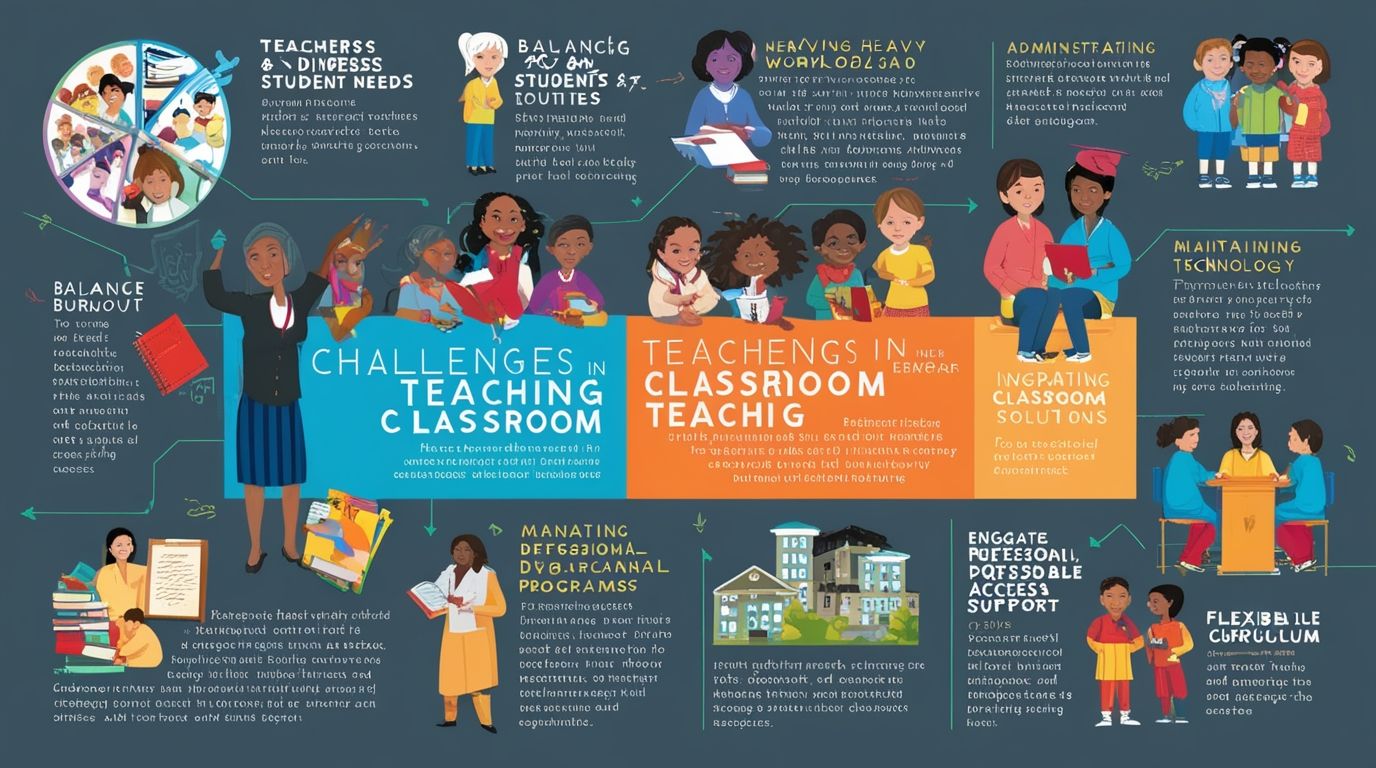
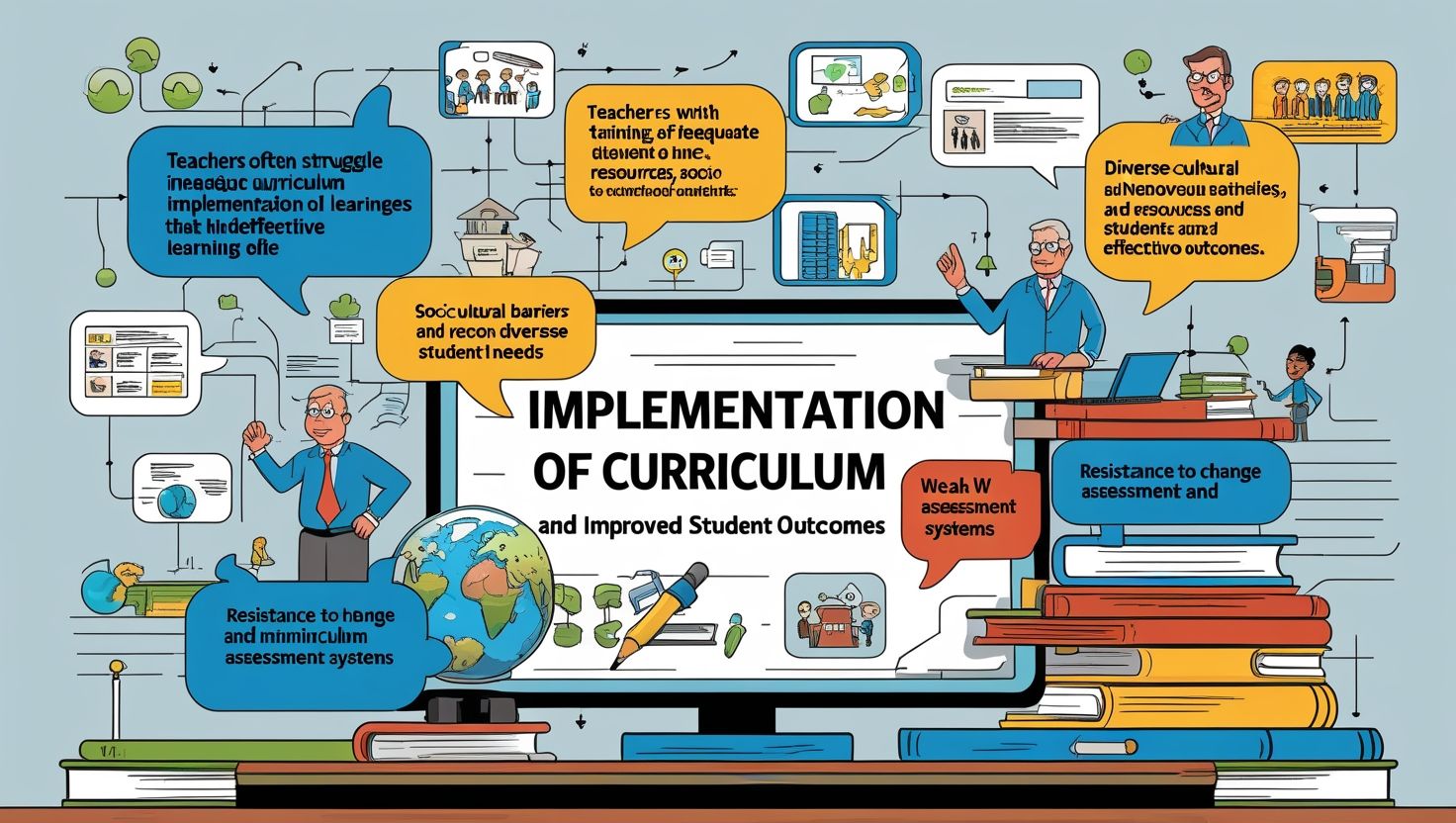
Both ECD and traditional education systems face challenges. ECD programs require trained educators, adequate resources, and supportive policies, which may not be available in all regions. Scaling ECD while maintaining quality is a significant concern. Traditional systems, while established and scalable, may struggle to adapt to changing educational needs and technological advancements. Resistance to change, rigid curricula, and assessment pressures can hinder innovation. Addressing these challenges requires systemic reforms, investment in teacher training, and a commitment to continuous improvement.
Conclusion: Toward an Integrated Educational Model
The debate between ECD and traditional education should not be viewed as a dichotomy but as an opportunity for integration. Each system offers valuable strengths that can complement the other. ECD provides a strong developmental foundation, fostering creativity, curiosity, and emotional well-being. Traditional education contributes structure, discipline, and academic rigor. An integrated model that combines play-based learning with structured instruction, formative assessment with standardized evaluation, and facilitation with direct teaching can create a balanced and effective educational system. As education continues to evolve, embracing the principles of ECD within traditional frameworks can ensure that learners are not only academically competent but also socially, emotionally, and creatively empowered to navigate the complexities of the modern world.